The process of grieving is one of the most complex human experiences, often characterized by a profound desire to stay connected to those who have passed. While traditional memorialization, such as cemeteries and mantle-top urns, remains common, a growing number of people are turning toward more intimate, portable tributes. Cremation jewelry has emerged as a deeply personal way to bridge the gap between memory and physical presence. These pieces, often referred to as “living memorials,” allow the bereaved to carry a small part of their loved one with them throughout their daily lives.
Understanding how cremation jewelry for ashes is crafted requires an appreciation for both meticulous engineering and delicate artistry. From the selection of high-grade metals to the scientific transformation of carbon into gemstones, the journey from ashes to a wearable memorial is a fascinating blend of technology and sentiment.
The Selection of Quality Materials
The foundation of any memorial piece lies in its durability. Because these items are often worn daily and intended to become family heirlooms, the choice of material is critical. Most reputable providers of cremation jewelry utilize one of three primary materials:
- Sterling Silver (.925): Favored for its classic luster and affordability, sterling silver is often treated with a rhodium plating to prevent tarnishing and enhance its longevity.
- 14k or 18k Gold: For those seeking a permanent investment, solid gold is the gold standard. It is naturally hypoallergenic and maintains its value and integrity over decades.
- Surgical-Grade Stainless Steel (316L): Known for its incredible strength and resistance to corrosion, stainless steel is an excellent choice for those with active lifestyles who want a memorial that can withstand the elements.
The Engineering of Chamber Jewelry
The most traditional form of cremation jewelry for ashes is the vessel or chamber pendant. These pieces are designed with a discreet, hollow interior. The craftsmanship here is focused on precision engineering to ensure the remains are kept safe and dry.
The process begins with the jeweler casting the pendant or ring with a micro-cavity. A tiny, threaded screw, often cleverly integrated into the design, such as the bail of a necklace, serves as the entry point. During the filling process, a specialized miniature funnel is used to transfer a small amount of cremated remains into the chamber. Once filled, a jewelry-grade adhesive is applied to the threads of the screw before it is tightened, creating a permanent, airtight seal that protects the contents from moisture and environmental wear.
The Art of Resin and Glass Infusion
For individuals who prefer a more artistic or colorful tribute, infusion techniques allow the ashes to become an integral part of the jewelry’s physical structure. This method transforms the remains into a visual element rather than a hidden one.
The Glass Blowing Process
In glass-infused cremation jewelry, a master glassblower works at a furnace where temperatures reach approximately $2,000^\circ F$. A small amount of ashes is gathered onto the molten glass. Because bone remains are primarily composed of calcium, they do not burn away; instead, they appear as delicate, swirling white “clouds” or a celestial “milky way” effect trapped within the glass. The glass is then carefully annealed, a process of slow cooling, to prevent internal stresses that could cause the piece to shatter.
The Resin Casting Technique
Resin casting has gained popularity due to the high level of customization it offers. In this process, jewelry-grade liquid resin is mixed with the ashes. Artisans can add pigments, crushed opals, or gold leaf to create a “stone” that reflects the loved one’s personality. The mixture is poured into a bezel setting and cured under a UV lamp or through a chemical catalyst. The result is a glass-like finish that is virtually unbreakable and lightweight.
The High-Tech Path: Memorial Diamonds
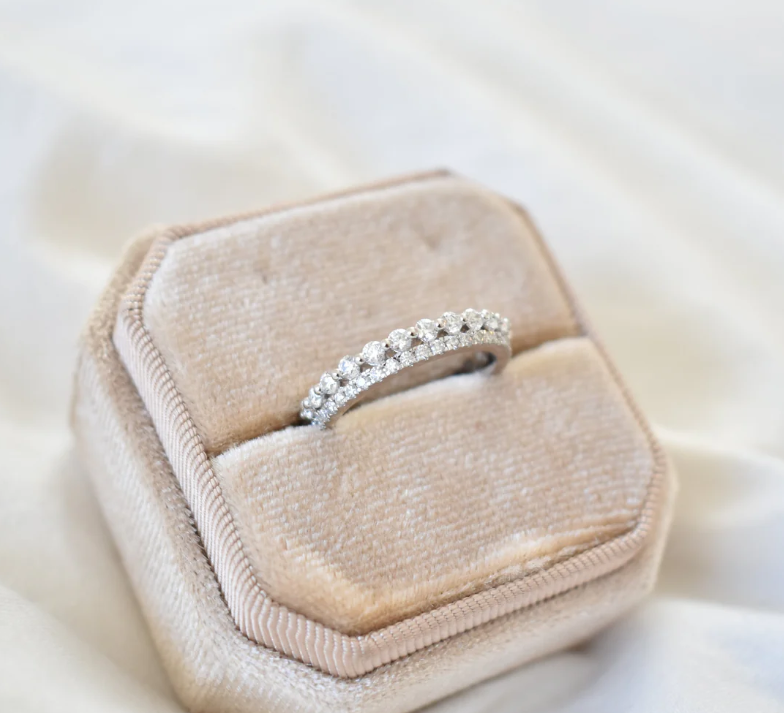
Perhaps the most sophisticated method of creating cremation jewelry involves the creation of lab-grown diamonds. This process replicates the natural geological conditions that form diamonds in the Earth’s mantle, but in a compressed timeframe.
The process begins by extracting carbon from the cremated remains. This carbon is then purified and converted into graphite. The graphite is placed into a High Pressure High Temperature (HPHT) machine, which subjects the carbon to over 60,000 atmospheres of pressure and temperatures exceeding $2,500^\circ F$. Over the course of several months, a diamond crystal grows atom by atom. Once the growth is complete, the “rough” diamond is cut and polished by a master lapidary, resulting in a gemstone that is chemically, physically, and optically identical to a mined diamond.
The Spiritual and Emotional Impact
Beyond the technical manufacturing, the creation of cremation jewelry for ashes serves a vital psychological role in the healing process. It provides a sense of “closeness” that traditional urns cannot offer. For many, the act of wearing the jewelry acts as a protective talisman, providing comfort during difficult milestones or anniversaries.
By turning a somber reality into a beautiful work of art, these memorials honor the life lived rather than just the loss experienced. Whether it is a simple stainless steel cylinder or a brilliant lab-grown diamond, the craftsmanship involved ensures that the memory of a loved one remains as enduring as the materials from which the jewelry is made.