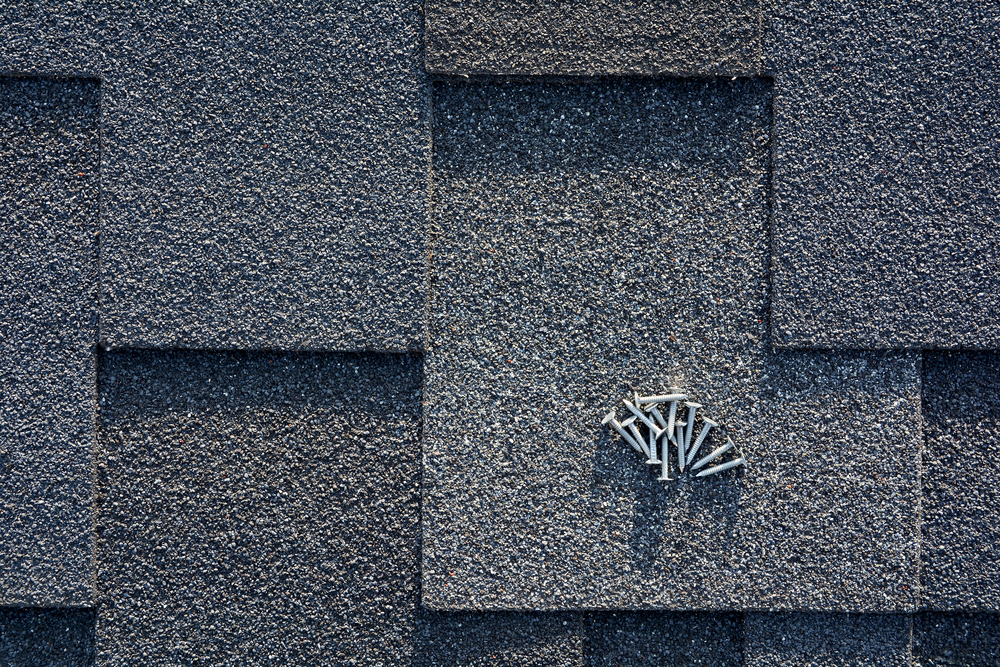
Asphalt shingles remain one of the most popular roofing options for homeowners seeking durability and affordability. Finding reliable Roofing Services Near Me can ensure proper installation and long-term performance. These shingles offer a balance of protection and aesthetics, designed to withstand daily exposure to sun, rain, snow, and wind. Understanding how asphalt shingles respond to varying weather conditions helps homeowners choose the right type, plan maintenance, and extend the lifespan of their roof. Awareness of weather-related wear patterns also prevents costly repairs and ensures the roof remains a safe barrier for the home. Examining heat, cold, rain, and wind performance offers insights into choosing shingles that provide consistent protection in any climate.
Asphalt Shingles: Basic Composition and Types
Asphalt shingles consist of a fiberglass or organic mat coated with asphalt and topped with mineral granules that protect against UV rays and add color. Three main types are commonly used: three-tab shingles, which are affordable and simple; architectural shingles, offering a layered appearance with improved durability; and designer shingles, which provide aesthetic appeal with enhanced protection. Shingle lifespan typically ranges from 15 to 30 years, depending on the type, quality, and installation. Proper installation techniques, including correct nailing, spacing, and flashing placement, significantly influence performance. Manufacturers also provide wind and impact ratings, which homeowners should consider when selecting shingles for their regional climate.
Performance in Hot Weather
- Asphalt shingles resist moderate heat but prolonged sun exposure can cause granule loss and fading, affecting both protection and appearance.
- High roof surface temperatures accelerate asphalt oxidation, which can reduce flexibility and lead to cracking over time.
- Proper attic ventilation prevents heat buildup, lowering the risk of shingles deteriorating prematurely and maintaining interior home comfort.
- Signs of heat-related damage include curling edges, brittle shingles, and noticeable granule deposits in gutters.
Homeowners in hot climates should select shingles with high solar reflectance and adequate UV protection to maintain longevity and reduce energy costs. Regular inspections during the summer months help identify early signs of heat damage, allowing for timely repairs.
Performance in Cold Weather
- Asphalt shingles maintain flexibility in moderate cold but can become brittle in extreme freezing conditions, increasing the risk of cracks.
- Ice dams form along eaves when heat escapes from the attic, causing water to back up under shingles.
- Heavy snow accumulation can add significant weight, stressing the roof structure and shingles if the underlying decking is weak.
- Winter maintenance includes removing excess snow and ensuring proper insulation to prevent ice dam formation.
Selecting cold-resistant shingles with impact ratings designed for freezing conditions ensures the roof withstands snow and ice without structural compromise. Periodic inspections during winter reveal areas of wear, allowing proactive repairs to prevent leaks and water damage.
Performance in Rainy and Humid Conditions
Asphalt shingles perform well in rainy weather when installed correctly. Heavy rainfall tests the roof’s water-shedding ability and exposes weaknesses in flashing, underlayment, or worn shingles. Humidity can accelerate the growth of algae and moss, particularly on shaded or north-facing roofs, causing discoloration and potential moisture retention. Consistent inspections after storms help detect leaks, missing granules, or lifting shingles. Properly sloped roofs and well-maintained gutters ensure water drains effectively, preventing pooling and damage. Using algae-resistant shingles in humid areas extends aesthetic appeal and reduces maintenance frequency.
Performance in Windy Conditions
Shingles carry wind resistance ratings that indicate their ability to remain attached during strong gusts. Strong winds can lift shingles, exposing the roof deck and increasing the risk of water infiltration. Proper nailing patterns, adhesive strips, and secure flashing are critical for maintaining roof integrity in high-wind areas. Regional building codes may require enhanced fastening methods or shingles rated for hurricane-force winds. Homeowners should routinely inspect their roof after storms to identify loose or damaged shingles and ensure immediate repairs prevent further structural issues. Choosing wind-rated shingles ensures the roof performs reliably without compromising safety.
Impact of Severe Weather Events
Severe weather events such as hailstorms, tornadoes, or hurricanes present extreme challenges for asphalt shingles. Hail impacts can remove granules, weaken asphalt, and cause visible dents, reducing protective capacity. Tornado-force winds may lift shingles from the roof entirely, requiring replacement or reinforcement. Insurance policies often cover damage caused by extreme weather, but homeowners should document the roof’s condition and schedule inspections promptly after events. Selecting shingles with impact and wind ratings suitable for regional weather hazards minimizes repair frequency and maintains home protection.
Maintenance Tips to Maximize Lifespan
Routine roof maintenance extends the life of asphalt shingles and prevents costly repairs. Removing debris such as leaves, branches, and dirt prevents water accumulation and granule loss. Inspecting flashing, gutters, and valleys ensures proper drainage and prevents leaks. Small issues like lifted shingles, minor cracks, or damaged underlayment should be addressed immediately to avoid escalation. Professional inspections every few years provide a thorough assessment, identifying areas that require repair or replacement. Combining preventive measures with timely interventions helps maintain the roof’s protective and aesthetic functions for decades.
Choosing Asphalt Shingles Based on Local Weather
Selecting the right shingles involves evaluating local climate conditions. Hot climates require heat-resistant shingles, while cold regions benefit from impact-resistant and flexible shingles. Rainy or humid areas may need algae-resistant options, and high-wind regions should opt for wind-rated shingles. Local building codes and manufacturer warranties guide selection, ensuring compliance and maximum performance. Consulting roofing professionals ensures the chosen shingles meet both aesthetic and functional requirements, providing reliable protection under all weather conditions.
Conclusion
Asphalt shingles offer versatile protection for homes across a wide range of weather conditions. Their performance depends on quality, type, installation, and ongoing maintenance. Proper selection and inspection allow homeowners to manage heat, cold, rain, wind, and severe weather impacts effectively. Awareness of potential wear patterns, combined with preventive care, helps prolong roof life and prevent costly repairs. Consulting Roofing Services Near Me provides expert guidance in choosing shingles, installing them correctly, and maintaining optimal roof performance year-round.
FAQs
How long do asphalt shingles last in extreme weather?
Asphalt shingles typically last 20–30 years, but extreme heat, cold, or severe storms may reduce lifespan. Regular inspections and proper maintenance extend durability.
Can asphalt shingles withstand hail?
High-quality impact-resistant shingles are designed to endure hail damage. Inspections after hailstorms help identify granule loss and minor dents for timely repair.
Do asphalt shingles prevent ice dams?
Cold-resistant shingles combined with proper attic insulation and ventilation reduce ice dam formation, but snow removal may still be necessary in heavy snowfall areas.
Are asphalt shingles suitable for high-humidity areas?
Algae-resistant shingles perform well in humid environments, preventing moss growth and discoloration while maintaining water resistance.