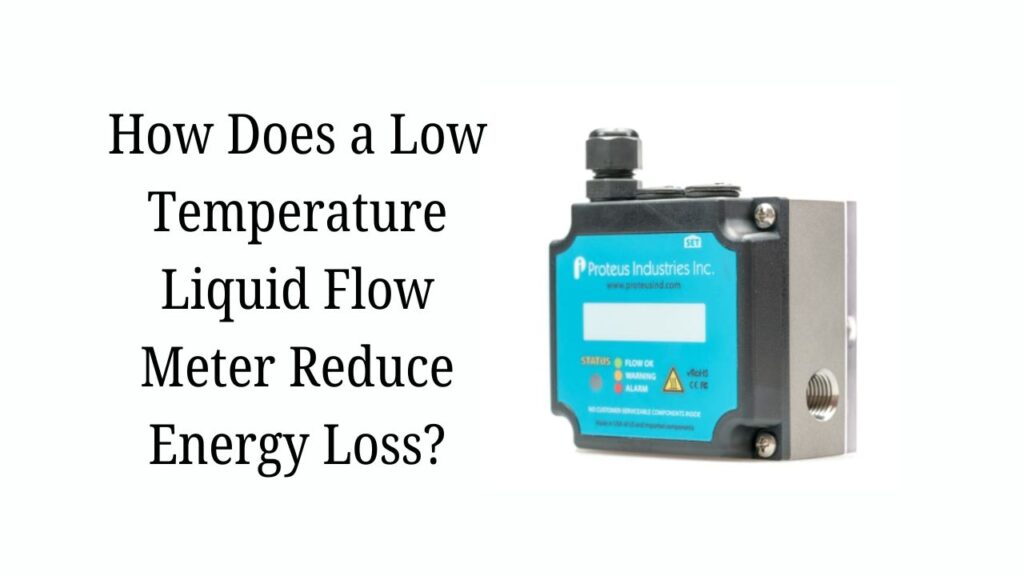
In industries that handle cryogenic liquids such as liquefied natural gas, liquid nitrogen, or liquid oxygen, maintaining system efficiency is critical. These ultra-cold fluids, operating at temperatures below -150°C, present unique challenges that can lead to significant energy losses if not properly managed. A low-temperature liquid flow meter serves as a cornerstone technology for minimizing these losses while ensuring accurate measurement and optimal system performance. Understanding how these specialized instruments reduce energy waste is essential for operations seeking to maximize efficiency and minimize costs in cryogenic applications.
Understanding Low Temperature Liquid Flow Meters
Liquid flow meters are precision instruments specifically engineered to measure the flow rate of cryogenic fluids without compromising accuracy or system efficiency. Unlike conventional flow meters, these devices incorporate specialized materials and design features that withstand extreme cold while maintaining measurement integrity.
These meters operate over a temperature range from ambient conditions down to -270°C, covering virtually all industrial cryogenic applications. Common uses include LNG terminals, industrial gas production facilities, aerospace fuel systems, and medical cryogenics. The technology must address unique challenges, such as thermal contraction, density variations, and the risk of ice formation, which could compromise measurement accuracy or cause system blockages.
Sources of Energy Loss in Cryogenic Systems
Understanding energy loss mechanisms is crucial for appreciating how specialized flow meters address these challenges. Heat infiltration represents the primary energy drain in cryogenic systems. Even minor temperature increases cause liquid evaporation, wasting valuable product and requiring additional refrigeration energy to maintain system temperatures.
Pressure drop across measurement devices creates another significant energy penalty. When fluids experience resistance as they flow through meters, pumps must work harder to maintain flow rates, consuming additional electrical energy. In large-scale operations, even small pressure drops translate to substantial ongoing costs.
Inaccurate measurement leads to operational inefficiencies that waste both product and energy. Overestimating flow rates may result in insufficient cooling or processing, while underestimating them can lead to unnecessary energy expenditure. Without precise data, operators cannot optimize system parameters, resulting in energy consumption exceeding actual requirements.
Traditional flow meters not designed for cryogenic service often require additional heating elements or protective measures that paradoxically introduce heat into systems designed to maintain extreme cold, creating a counterproductive cycle of energy waste.
How Low Temperature Flow Meters Reduce Energy Loss
Minimized Pressure Drop Design
Modern low-temperature flow meters incorporate streamlined flow paths that minimize turbulence and resistance. By reducing pressure drop to negligible levels—often less than 0.1 bar—these instruments dramatically decrease the pumping energy required to move fluids through measurement points. The smooth internal geometry ensures laminar flow characteristics, allowing cryogenic liquids to pass through with minimal energy expenditure.
Precision Measurement Capabilities
Advanced sensing technologies provide measurement accuracy within ±0.5% of reading or better, enabling operators to fine-tune system parameters with confidence. This precision eliminates the energy waste associated with safety margins and conservative operating practices. When you know exactly how much liquid is flowing, you can match refrigeration capacity, pumping power, and processing parameters precisely to actual needs rather than estimated requirements.
Thermal Insulation Features
Low-temperature flow meters incorporate sophisticated thermal management systems. Vacuum-insulated housings create barriers to heat infiltration, while special materials with low thermal conductivity minimize heat transfer from the ambient environment. These features prevent energy loss caused by external heat vaporizing cryogenic liquids within the measurement section.
Some designs include built-in cooling channels that use the measured fluid itself to maintain optimal operating temperatures, creating a self-regulating system that requires no external energy input for thermal management.
Optimized Flow Path Engineering
The internal geometry of these meters is carefully engineered to eliminate dead zones where fluid can stagnate and warm. Continuous flow ensures that all liquid passing through the meter remains at system temperature, preventing the energy waste associated with re-cooling warmed product downstream.
Real-Time Monitoring Benefits
Digital output capabilities enable continuous system optimization. Operators can identify inefficiencies immediately, adjust parameters proactively, and prevent energy-wasting scenarios before they develop. Integration with automated control systems allows for dynamic adjustment of refrigeration, pumping, and processing parameters based on actual flow conditions rather than fixed setpoints.
Economic and Environmental Benefits
The energy savings delivered by liquid flow meters translate directly into reduced operational costs. Facilities processing millions of liters of cryogenic fluids annually can realize substantial savings by reducing refrigeration energy use, lowering pumping costs, and minimizing product loss to evaporation.
Beyond economics, these efficiency gains reduce environmental impact. Lower energy consumption means reduced greenhouse gas emissions from power generation. In LNG applications specifically, preventing methane venting through accurate measurement and leak detection contributes to climate change mitigation efforts.
Conclusion
Low-temperature liquid flow meters are a critical technology for energy efficiency in cryogenic applications. Through precision measurement, minimized pressure drop, superior thermal management, and real-time monitoring capabilities, these instruments address the fundamental sources of energy loss in ultra-cold fluid systems. As industries continue to prioritize sustainability and cost reduction, investing in high-quality low-temperature flow measurement technology delivers both immediate operational benefits and long-term competitive advantages.