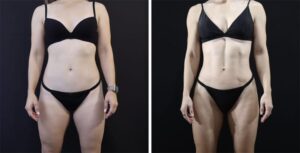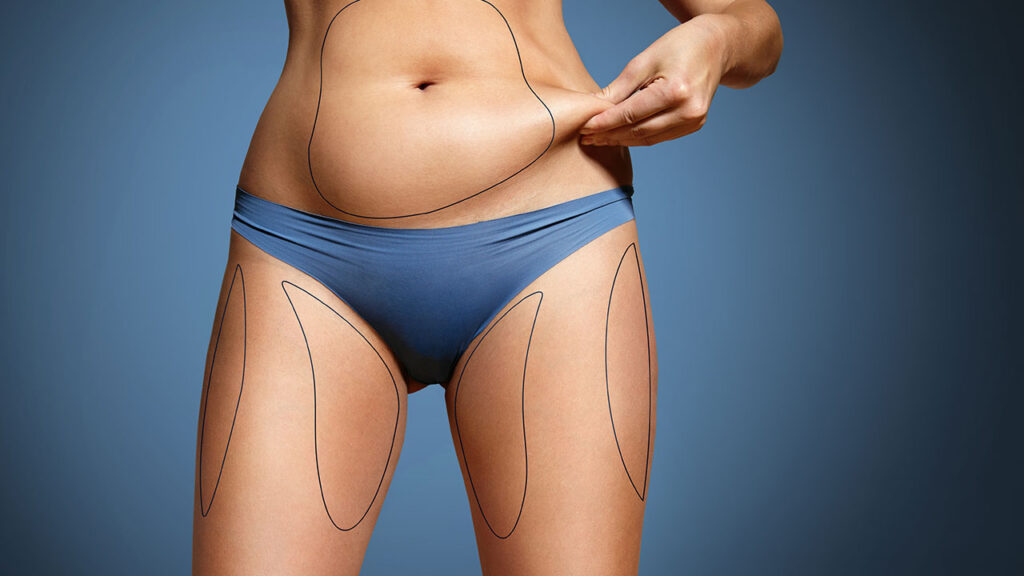
Overview of Body Jet Liposuction
Body Jet liposuction is a water-assisted fat removal technique. It uses a controlled stream of fluid to loosen fat cells before they are removed from the body. This gentle approach allows fat to be separated from surrounding tissues without heavy mechanical force or heat. By preserving connective tissue and blood vessels, the procedure supports a smoother, more controlled removal process.
Body Jet is particularly valued for its precision, minimal physical stress, and ability to maintain the integrity of fat cells for potential transfer to other areas of the body. Its design emphasizes gentle interaction with the body, which contributes to predictable results.
Overview of VASER Liposuction
VASER liposuction, on the other hand, is an ultrasound-assisted technique. It uses ultrasonic energy to break down fat cells before they are suctioned out. The ultrasonic waves selectively target fat while leaving other tissues, such as blood vessels and nerves, largely intact.
VASER is often used for more detailed sculpting, including definition of muscle lines, because it can remove fat more selectively and liquefy it efficiently for smoother contouring. The use of ultrasound energy distinguishes VASER from water-assisted methods and allows for more intensive sculpting in certain areas.
Mechanism of Fat Removal
The most fundamental difference between Body Jet and VASER lies in how fat is removed. Body Jet relies on a water stream to loosen fat cells, whereas VASER uses ultrasonic vibrations to break down fat.
The water-assisted approach works by gently separating fat from tissues, reducing physical disruption. VASER’s ultrasonic waves break fat cells apart and emulsify them, making them easier to remove. This difference in mechanism influences tissue interaction, recovery experience, and precision of contouring.
Tissue Preservation and Control
Both techniques are designed to preserve tissue, but in different ways. Body Jet minimizes trauma by working with the tissue structure rather than breaking it apart aggressively. This allows connective tissues, blood vessels, and surrounding structures to remain largely intact, which supports smoother removal and predictable body shaping.
VASER also preserves non-fat tissue, but the ultrasonic energy can cause slight thermal effects due to vibrations. While still selective, this method involves more energy input, which may be leveraged to achieve highly detailed sculpting, particularly in areas like the abdomen or chest.
Precision and Sculpting Ability
When it comes to contouring and sculpting, both methods offer precision, but their applications differ. Body Jet excels in controlled fat removal and refinement, particularly for moderate sculpting or targeted fat pockets. It is ideal for patients seeking gentle contouring with tissue preservation.
VASER is often preferred for advanced sculpting and definition. Its ability to selectively liquefy fat allows for enhanced muscle definition, making it popular for high-definition body contouring. This makes VASER particularly suitable for creating detailed contours and athletic-looking results.
Recovery Experience
Recovery experiences differ due to the way each method interacts with tissue. Body Jet’s gentle, water-assisted approach typically places less stress on tissues, which may result in a smoother and less intensive recovery period. Discomfort is often described as mild soreness or tightness rather than intense pain.
VASER’s ultrasound energy, while precise, introduces more internal energy into the tissues. This can sometimes lead to a slightly more noticeable recovery phase, as the body adjusts to both the removal and the effects of the ultrasonic energy. Recovery comfort is still generally manageable, but the experience differs from the gentler water-assisted method.
Fat Transfer Applications
Another distinction involves fat transfer. Body Jet’s water-assisted removal preserves fat cells effectively, making them highly suitable for repurposing in cosmetic enhancement procedures. Fat harvested with Body Jet is often used for augmenting areas like the buttocks, face, or breasts.
VASER can also preserve fat for transfer, but the ultrasonic energy may slightly affect cell viability compared to the gentler water-based method. For individuals prioritizing fat grafting, Body Jet may have a subtle advantage in maintaining fat quality.
Suitability for Different Body Types
Both techniques are adaptable, but their suitability varies depending on the patient’s goals. Body Jet is ideal for individuals seeking gentle, controlled contouring with tissue preservation and moderate sculpting. It works well for sensitive or smaller areas where precision and smoothness are priorities.
VASER is suitable for patients looking for high-definition sculpting, particularly in muscular or athletic regions. It is often chosen for detailed body definition and areas requiring more aggressive fat breakdown for enhanced contours.
Modern Applications and Popularity
Body Jet and VASER each have strong modern applications. Body Jet’s popularity stems from its gentleness, versatility, and ability to support fat transfer. It appeals to those prioritizing smooth contouring, minimal trauma, and a manageable recovery.
VASER attracts individuals seeking high-definition, athletic, or sharply contoured results. Its precision in creating detailed body lines has made it a preferred choice for more intricate sculpting goals.
FAQs About Body Jet vs VASER Liposuction
What is the main difference between Body Jet and VASER
Body Jet uses water-assisted pressure to gently loosen fat, while VASER uses ultrasound energy to break down fat cells before removal.
Which technique is better for fat transfer
Body Jet is often considered better for fat transfer because the water-assisted method preserves fat cells more gently.
Which method offers more detailed sculpting
VASER is preferred for high-definition sculpting and muscle contouring, as ultrasound energy allows selective fat breakdown.
How do recovery experiences differ
Body Jet generally results in a gentler recovery with mild soreness, while VASER may involve slightly more adjustment due to the ultrasonic energy used.
Can both techniques be used on multiple body areas
Yes, both are versatile, but Body Jet is often used for targeted refinement and VASER for detailed definition, especially in muscular regions.
In conclusion, Body Jet and VASER liposuction differ primarily in the mechanisms they use to remove fat, the degree of tissue interaction, and their applications for sculpting and fat transfer. Body Jet is valued for gentle, controlled fat removal, smooth recovery, and preservation of fat for transfer, while VASER excels in high-definition sculpting and selective fat breakdown using ultrasonic energy. Choosing between the two depends largely on individual goals, body areas of focus, and the desired level of definition.