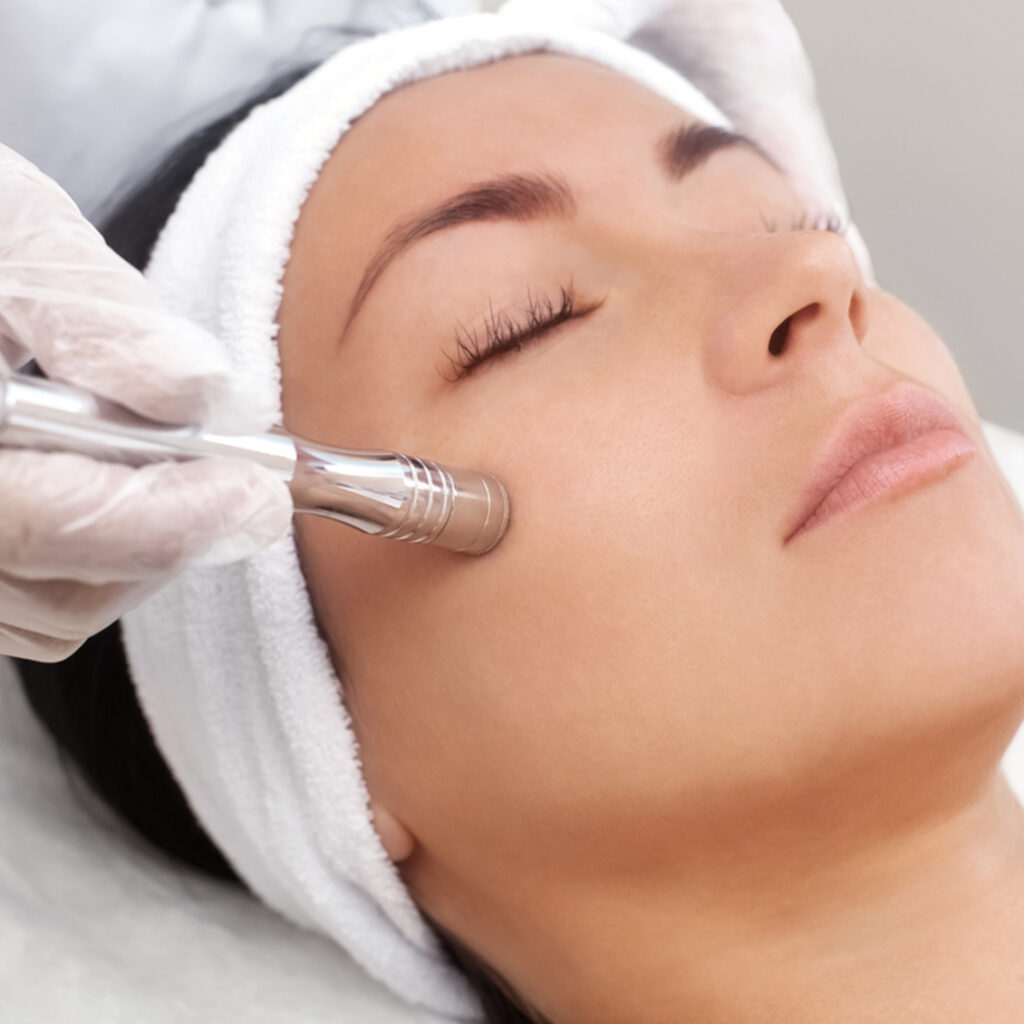
The Skin Renewal Process
The skin continuously undergoes renewal, shedding old cells and replacing them with new ones. This process slows with age or after damage from acne, leaving scars, uneven texture, and rough patches. Acne scars disrupt the normal pattern of cell turnover, creating areas where damaged tissue remains.
Laser acne scar treatment works by targeting both the surface and deeper layers of the skin, promoting controlled healing and encouraging the production of new, healthy cells.
How Laser Therapy Stimulates Collagen Production
Collagen is a structural protein that provides strength, elasticity, and support to the skin. When the skin is damaged by acne, collagen fibers can become broken or uneven, contributing to depressions and irregular texture.
Laser treatment delivers focused energy that penetrates the dermis, the deeper layer of the skin, without damaging surrounding tissue. This energy stimulates fibroblasts, the cells responsible for producing collagen and elastin.
As collagen regenerates, it fills in indentations, strengthens the skin’s internal framework, and supports the growth of new skin cells on the surface. This remodeling process is a key factor in both scar reduction and overall skin renewal.
Encouraging Cell Turnover
In addition to collagen stimulation, laser therapy accelerates skin cell turnover. By creating controlled micro-injuries in the scarred area, the laser signals the skin to replace old, damaged cells with fresh, healthy ones.
This enhanced turnover helps smooth the skin’s surface, even out tone, and improve texture. Over time, areas affected by acne scars gradually become softer, more uniform, and more resilient.
Gradual and Natural Regeneration
One of the benefits of laser-induced skin renewal is that it occurs gradually. The skin has time to rebuild naturally, producing new collagen and skin cells in a controlled, safe manner.
This gradual regeneration ensures that improvements in texture and tone appear natural and blend seamlessly with surrounding skin. It also reduces the risk of sudden, unnatural changes in appearance.
Supporting Overall Skin Health
Laser acne scar treatment does more than just repair scars. By boosting collagen production and stimulating cell turnover, it enhances the skin’s overall structure and resilience. Healthier skin is better able to retain moisture, resist damage, and maintain elasticity.
Regular regeneration also helps minimize the risk of future irregularities, creating a more consistent, youthful-looking surface over time.
Suitable for Various Skin Types
Modern laser technology allows treatments to be customized according to skin type, tone, and scar severity. Sensitive or darker skin types can benefit from skin renewal stimulation with minimal risk of pigmentation issues, while lighter skin types respond efficiently to collagen remodeling.
This adaptability makes laser therapy a versatile option for individuals seeking both scar reduction and overall skin rejuvenation.
Maintenance of Results
Post-treatment care plays an important role in sustaining the benefits of skin renewal. Proper hydration, sun protection, and gentle skincare routines support the skin as it regenerates. Many individuals also opt for occasional maintenance sessions to continue stimulating collagen and maintain smoother, healthier skin.
Frequently Asked Questions
How soon does skin renewal begin after treatment?
Skin regeneration begins immediately, but noticeable improvements in texture and smoothness typically appear over several weeks.
Does laser treatment remove scars entirely?
While laser therapy may not completely erase all scars, it significantly improves depth, smooths the surface, and promotes healthier skin.
Can all skin types benefit from enhanced skin renewal?
Yes, laser settings can be customized for different skin tones and sensitivities to safely promote collagen production and cell turnover.
How many sessions are usually needed?
The number of sessions depends on scar severity, skin type, and desired results, with gradual improvements observed over multiple treatments.
Is the treatment safe for aging or mature skin?
Yes, laser therapy can stimulate collagen and cell turnover in aging skin, improving both scar appearance and overall skin vitality.
Conclusion
Laser acne scar treatment effectively boosts skin renewal by stimulating collagen production and accelerating cell turnover. This dual action repairs damaged tissue, smooths scars, and enhances overall skin structure.
The gradual regeneration process ensures natural-looking results while strengthening and revitalizing the skin. By promoting continuous renewal, laser therapy not only improves acne scars but also supports healthier, more resilient, and radiant skin over the long term.