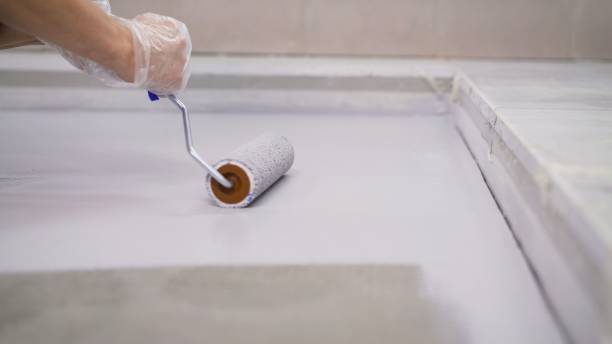
Epoxy curing time is one of those things people think they understand… until they’re standing on a sticky floor wondering what went wrong. I’ve seen it plenty. Someone buys decent epoxy, even grabs the best roller for epoxy floor work, follows half the instructions, then rushes the cure. Bad move. Epoxy doesn’t care about your schedule. It cures when it cures. Or when conditions allow it to. Let’s talk honestly about how long epoxy actually takes to cure when you roll it on, what affects that time, and what most people mess up along the way.
What “Cure Time” Really Means (And Why It’s Confusing)
First, curing and drying are not the same thing. Epoxy might feel dry to the touch in a few hours, but that doesn’t mean it’s cured. Dry just means the surface isn’t tacky anymore. Cure means the chemical reaction is done. Or close enough. Most epoxy floor coatings go through stages. Initial set. Walk-on time. Light use. Full cure. If you only pay attention to the first one, you’re asking for tyre marks, dents, or peeling later. Rolled epoxy usually cures more slowly than sprayed coatings. Thicker film. More material. More chemistry is happening.
Average Epoxy Cure Times When Rolled
Here’s the rough reality, assuming decent conditions and proper mixing.
Initial set: 4–8 hours. Walkable: 12–24 hours. Light use: 48–72 hours. Full cure: 5–7 days. Sometimes longer. Especially with 100% solids epoxy. Those are tough, durable, and slow. Water-based epoxies cure faster but don’t always hold up the same. If someone tells you their epoxy cured “overnight,” they’re usually talking about dry-to-touch. Not a real cure.
Temperature Matters More Than You Think
Epoxy is picky about temperature. Too cold and it crawls. Too hot and it kicks fast, sometimes too fast. Ideal range? Around 70°F to 80°F (21–27°C). Below 60°F, and the cure time stretches way out. I’ve seen floors still soft after three days because someone applied epoxy in a cold garage. Heat speeds things up. But it also shortens working time. Roll too slow on a hot day, and you’ll see roller marks locked in forever. Humidity also plays a role. High humidity can cause blush. That waxy haze. It doesn’t always ruin the floor, but it slows curing and affects adhesion.
The Roller You Use Actually Affects Cure Time
People don’t like hearing this, but application matters. A lot. Using the wrong roller can leave the epoxy too thick in some spots and too thin in others. Thick areas cure more slowly. Thin areas cure faster. That uneven cure causes problems later. The best roller for epoxy floor jobs usually has a shed-resistant core and a nap suited to the coating thickness. Too fluffy and you introduce air. Too tight and you starve the surface. Air bubbles slow curing. They also weaken the finish. Good rollers help epoxy level out and cure evenly. Cheap ones? They cause headaches.
Mixing Errors Slow Everything Down
Epoxy is chemistry. Mess up the ratio, and the cure time goes sideways.
Under-mixed epoxy stays soft. Overmixed epoxy can heat up too fast. Scrape the sides. Scrape the bottom. Mix slow. Then mix again. I’ve watched people rush mixing because “it looks blended.” That’s how you get soft spots days later. Rolling doesn’t fix bad mixing. It just spreads the problem.
Surface Prep Impacts Cure (Indirectly)
Dirty or damp surfaces mess with epoxy bonding. If moisture is trapped underneath, curing slows, and adhesion suffers. Concrete should be dry. Really dry. Moisture vapour coming up through the slab can keep epoxy from curing properly. It may look fine for a day or two, then bubble or peel. Grinding or acid etching doesn’t change cure time directly, but it ensures the epoxy cures as intended, bonded and stable.
Can You Speed Up Epoxy Curing?
Yes. But carefully. You can raise the temperature of the space. Use heaters, not open flames. Keep air moving gently. Don’t blast fans directly at the surface, though. That can cause ripples. Some epoxy systems have accelerators. Only use what the manufacturer allows. Guessing here ruins floors. And no, walking on it early does not “help it set.” That’s a myth. All it does is leave footprints.
When Is It Actually Safe to Use the Floor?
Light foot traffic after 24 hours is usually okay. Shoes off, no dragging. Vehicles? Wait at least 5 days. Longer if it’s cold. Full chemical resistance takes about a week. Sometimes more. If you spill oil or cleaner before that, stains can happen. Patience saves rework. Always.
Common Mistakes That Extend Cure Time
Rolling epoxy too thick is a big one. People think thicker equals stronger. Not always true. Applying in cold weather without heating. Bad. Ignoring humidity. Also bad. Using cheap rollers that shed fibres and trap air. Really bad. And rushing to recoat windows. If you miss the window, you either wait longer or sand. No shortcuts there.
Tools, Supplies, and Planning Ahead
If you’re doing multiple floors or commercial work, planning matters. Having the right rollers, trays, and backup supplies saves time. Some contractors even bulk buy paint brushes to handle cut-ins, edges, and touch-ups without stopping mid-job. It doesn’t change cure time, but it keeps the workflow clean and consistent. Epoxy rewards preparation. Always has.
Final Thoughts on Epoxy Cure Time
Epoxy curing isn’t magic, but it isn’t forgiving either. Rolled epoxy takes time. Real-time. Days, not hours. Use the right product. Mix it properly. Apply it with the right roller. Control the environment. Then leave it alone.
If you respect the process, epoxy floors last for years. Abuse it, rush it, or guess your way through curing, and you’ll be redoing it sooner than you think. That’s just how epoxy works.