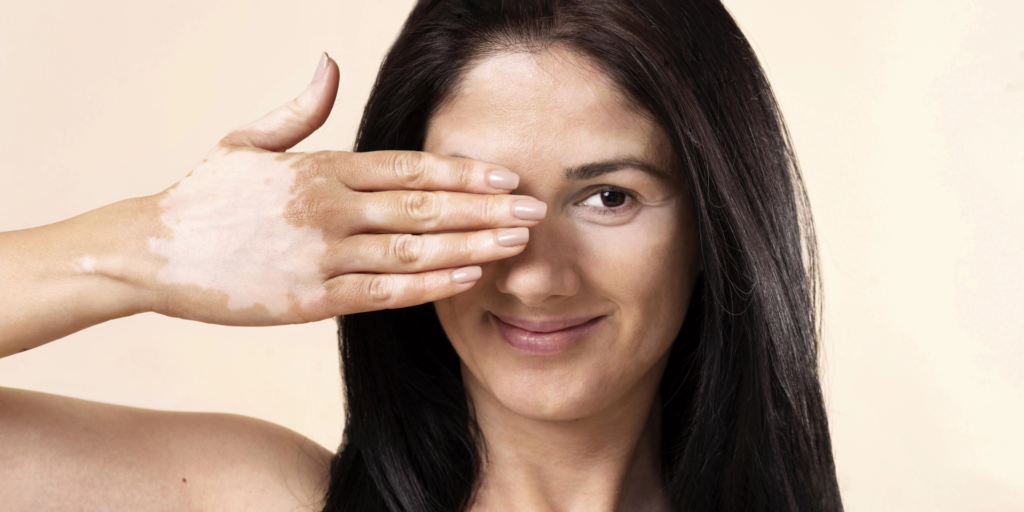
Vitiligo is a condition characterized by the loss of skin pigmentation, leading to white patches. A common question for those seeking vitiligo treatment in Abu Dhabi is how long it takes to see visible improvement. The answer depends on multiple factors, including the type of treatment, the extent of the depigmentation, the location of the patches, and individual skin characteristics.
Understanding the Timeline of Vitiligo Treatment
Vitiligo treatments focus on restoring pigmentation or preventing further loss. Whether using phototherapy, topical treatments, or advanced cellular techniques, the skin requires time to respond. Repigmentation is a gradual process because melanocytes, the pigment-producing cells, take time to recover and migrate to depigmented areas.
In general, initial improvements are subtle, often appearing as small specks of color that gradually expand. The full results of treatment can take weeks to months, depending on the therapy and individual factors.
Factors That Affect the Speed of Results
Several factors influence how quickly vitiligo treatment shows results:
-
Extent and Location of Patches: Smaller patches or areas on the face and neck often respond faster, while patches on hands, feet, elbows, or knees may take longer.
-
Duration of Vitiligo: Newly developed patches often respond more quickly than long-standing depigmented areas.
-
Skin Tone: The contrast between the white patches and surrounding skin affects how quickly repigmentation is noticeable.
-
Type of Treatment: Treatments such as narrowband UVB phototherapy or cellular grafting may show faster results compared to topical therapy alone.
-
Stability of Condition: Vitiligo that is stable and not spreading tends to respond more predictably and quickly to therapy.
Phototherapy and Visible Improvement
Phototherapy, particularly narrowband UVB, is a common treatment for vitiligo. It works by stimulating melanocytes to produce pigment. While effective, noticeable changes usually require multiple sessions, often conducted over several weeks or months. Early signs of repigmentation may appear within 6 to 12 weeks, but significant improvement generally takes longer.
Topical Treatments and Gradual Pigmentation
Topical treatments aim to regulate the local immune environment and stimulate melanocyte activity. Results tend to appear gradually. Pigmentation usually begins as small areas of color that slowly expand. The speed of response depends on the potency of the topical treatment, adherence to the treatment schedule, and the location of the affected skin.
Advanced Therapies and Timelines
Advanced approaches such as melanocyte transplantation or cellular grafting can accelerate repigmentation. These treatments transplant pigment-producing cells directly to depigmented areas, potentially producing faster visible results. However, even with these techniques, full blending with surrounding skin can take weeks to months as the cells settle and produce pigment evenly.
Combination Therapy and Faster Results
Combination therapy, which integrates phototherapy with topical or cellular treatments, often leads to faster and more uniform repigmentation. By addressing multiple aspects of the condition simultaneously—stimulating melanocytes and modulating immune activity—combination therapy can shorten the time to noticeable improvement while enhancing overall results.
Managing Expectations
It is important to have realistic expectations regarding the timeline of vitiligo treatment. Visible improvement is a gradual process, and results vary between individuals. While some may notice changes within a few weeks, others may require several months of consistent therapy to achieve significant repigmentation.
FAQs About How Long Vitiligo Treatment Takes
How soon can I see results from vitiligo treatment?
Initial changes may appear within weeks, but significant repigmentation often takes several months, depending on treatment type and individual factors.
Do all areas of the body respond at the same speed?
No. Facial and neck patches generally respond faster, while hands, feet, and joints may take longer to show improvement.
Does the age of the vitiligo patch matter?
Yes. Newer patches typically respond more quickly, whereas older, long-standing patches may require extended treatment periods.
Can combination therapy speed up results?
Yes, using multiple treatment approaches simultaneously often accelerates visible pigmentation and promotes more uniform results.
Will my skin color fully return to normal?
Treatment can significantly restore pigmentation, but complete restoration may vary. The goal is gradual improvement and stabilization of skin tone.