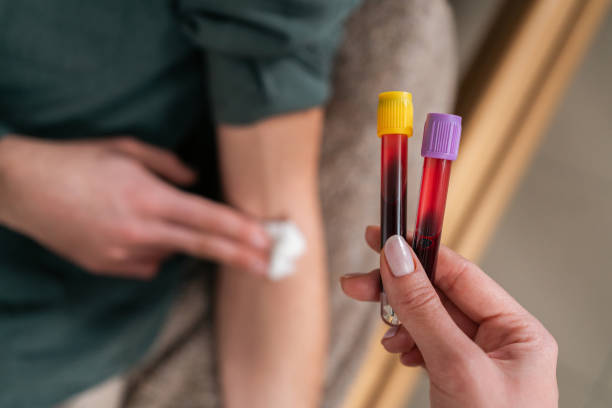
What a Complete Blood Test Reveals
A complete blood test measures the main components of blood: red blood cells, white blood cells, hemoglobin, hematocrit, and platelets.
Red blood cells carry oxygen to tissues, and abnormal levels may indicate anemia or other blood disorders. White blood cells are essential for fighting infections, and irregular counts may suggest immune system activity, infection, or inflammation. Platelets help with clotting, and unusual levels can signal bleeding or clotting tendencies.
Understanding these markers helps monitor overall health and detect potential problems even before symptoms appear.
Factors Influencing How Often You Should Get a CBC
The frequency of complete blood testing depends on multiple factors, including age, lifestyle, health status, and risk factors for certain conditions.
Age and General Health
Younger individuals with no known health issues may need CBCs less frequently, often as part of routine annual health checks. As people age, more frequent monitoring can help detect changes in blood composition that may indicate emerging health concerns.
Chronic Conditions or Risk Factors
People with chronic health conditions, such as metabolic disorders, autoimmune conditions, or ongoing inflammation, may benefit from more frequent blood testing. CBCs can help monitor disease progression and the body’s response to treatments or lifestyle adjustments.
Symptoms or Health Changes
If there are new or unexplained symptoms—such as fatigue, frequent infections, unusual bruising, or changes in energy levels—a CBC can provide insight into possible causes and guide preventive measures.
Typical CBC Monitoring Patterns
For generally healthy adults, a CBC is often included in an annual wellness check to provide a baseline for blood health. These yearly tests allow for comparison over time, helping to identify subtle changes that may indicate early signs of conditions like anemia, infection, or immune system irregularities.
For individuals with certain health conditions or risk factors, CBCs may be recommended every few months to track trends and manage ongoing issues. Monitoring blood markers more closely can provide valuable feedback for lifestyle or nutritional adjustments.
Benefits of Regular CBC Monitoring
Regular CBC testing supports preventive health by providing an ongoing record of blood health.
Tracking changes over time can reveal trends that might otherwise go unnoticed, such as gradual declines in red blood cells or increases in white blood cells. This early detection allows for timely interventions that may prevent more serious health issues.
CBCs can also help assess the effectiveness of lifestyle changes, such as diet, exercise, and stress management, by observing their impact on blood components.
When to Consider More Frequent Testing
Certain scenarios may require more frequent CBC monitoring:
-
Sudden or unexplained fatigue
-
Signs of infection or frequent illness
-
Ongoing inflammation or immune system concerns
-
Nutrient deficiencies affecting red blood cell production
Frequent monitoring in these cases helps identify the underlying causes and track improvements over time.
FAQs About Complete Blood Test Frequency
How often should a healthy adult get a CBC?
For most healthy adults, a complete blood test is recommended once a year as part of routine health monitoring.
Can CBCs detect problems before symptoms appear?
Yes, changes in red or white blood cells, hemoglobin, or platelets can indicate potential health issues even before symptoms develop.
Do older adults need CBCs more often?
Often, yes. Aging can increase the risk of blood disorders, immune system changes, and chronic conditions, making more frequent monitoring beneficial.
Can lifestyle changes affect CBC results?
Yes, diet, exercise, sleep, and stress levels can influence blood cell counts and overall blood health. Regular CBCs help track these effects.
Should a CBC be done more frequently if I have a chronic condition?
Yes, individuals with chronic conditions or ongoing health risks may benefit from quarterly or semi-annual testing to monitor trends and manage health effectively.