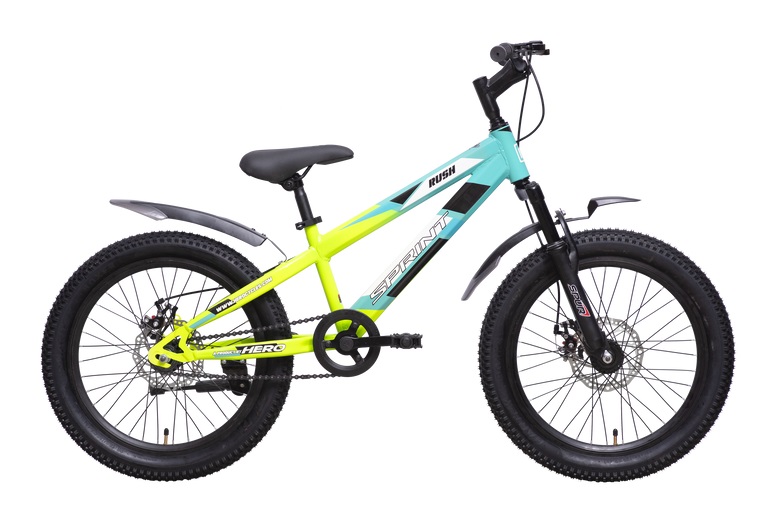
Children’s bicycles go through a lot of uneven roads, playground bumps, sudden braking, enthusiastic pedaling, and sometimes not-so-gentle parking. While adults may recognize when a bike needs maintenance, children often continue riding without noticing small mechanical issues. That’s why regular servicing is essential. Understanding how often you should service a kids cycle ensures safety, performance, and long-term durability.
In this comprehensive guide, we’ll explore recommended service intervals, signs that maintenance is needed, seasonal care tips, and how parents can create a simple servicing routine that keeps their child’s bicycle in excellent condition.
Why Regular Servicing Is Important
Children’s bicycles are not just toys; they are vehicles that require the same attention as adult bikes. A poorly maintained bicycle can lead to:
- Brake failure
- Loose handlebars
- Chain slipping
- Tire blowouts
- Reduced stability
Since children may not immediately recognize mechanical warning signs, parents or guardians must proactively monitor the condition of the bike. Routine servicing not only enhances safety but also builds confidence in young riders.
General Service Frequency Guidelines
The frequency of servicing depends on how often the bicycle is used and the terrain it encounters.
1. Occasional Riders (Once or Twice a Week)
If your child rides casually in parks or around the neighborhood, a basic inspection every month and a professional service every 6 months is usually sufficient.
2. Regular Riders (3–5 Times a Week)
For children who ride to school or use their bicycle daily, a home check every two weeks and professional servicing every 3-4 months is recommended.
3. Heavy Use (Daily and Rough Terrain)
If the bike is used daily on uneven roads, dirt paths, or gravel, it should be inspected weekly at home and professionally serviced every 2–3 months.
These timelines help maintain a kids cycle in optimal condition while preventing unexpected breakdowns.
Monthly Home Maintenance Checklist
Parents can perform simple inspections at home without special tools. A quick 10–15 minute check each month can make a significant difference.
1. Check Tire Pressure
Underinflated tires make pedaling harder and increase the risk of punctures. Overinflated tires may burst or reduce traction. Use a basic air pump with a pressure gauge to maintain recommended PSI levels.
2. Inspect the Brakes
Test brake levers to ensure they respond smoothly. The brakes should stop the wheel immediately without squeaking excessively.
3. Examine the Chain
Look for rust, dryness, or dirt buildup. Apply a light bicycle-specific lubricant if needed and wipe off excess oil.
4. Tighten Bolts and Nuts
Check the handlebar, seat clamp, pedals, and wheel nuts. Loose parts can affect balance and safety.
5. Inspect the Frame
Look for cracks, dents, or signs of damage, especially if the bicycle has fallen recently.
Performing these steps ensures your child’s bike remains reliable between professional services.
When to Schedule Professional Servicing
While home maintenance is helpful, certain adjustments require expert attention. Professional servicing typically includes:
- Brake cable tension adjustments
- Wheel alignment and truing
- Gear calibration (if applicable)
- Bottom bracket inspection
- Bearing lubrication
- Full safety check
Even if the bicycle appears to function normally, scheduling a professional check every few months ensures hidden issues are addressed early.
Signs Your Child’s Bike Needs Immediate Servicing
Some warning signs indicate that the bicycle needs urgent attention, regardless of the regular schedule.
1. Squeaky or Weak Brakes
If braking feels delayed or noisy, brake pads may be worn or misaligned.
2. Chain Slipping
A loose or worn chain can slip during pedaling, which is dangerous and frustrating.
3. Wobbling Wheels
If wheels appear uneven while spinning, they may need truing.
4. Unusual Noises
Grinding or clicking sounds often indicate bearing or drivetrain issues.
5. Difficulty Steering
Stiff or shaky handlebars suggest headset problems.
Ignoring these signs can compromise safety, so immediate servicing is recommended.
Seasonal Servicing Recommendations
Weather conditions play a major role in maintenance frequency.
After Rainy Season
Rain and mud accelerate rust and dirt accumulation. Clean the bike thoroughly and lubricate the chain after wet rides.
Before Summer Break
If your child plans extended rides during vacation, schedule a full professional check beforehand.
After Long Storage
If the bicycle hasn’t been used for months, inspect tire pressure, lubricate the chain, and test brakes before allowing your child to ride.
Seasonal maintenance keeps a kids cycle dependable throughout the year.
Growth and Size Adjustments
Children grow quickly, and their bicycles must adapt accordingly.
Seat Height Adjustment
The child’s feet should touch the ground lightly while seated. Knees should be slightly bent at the bottom of each pedal stroke.
Handlebar Position
Ensure handlebars are aligned with the saddle and comfortable for grip.
Checking these adjustments every few months prevents discomfort and ensures safe control.
Impact of Riding Style on Servicing Needs
Children’s riding habits significantly affect maintenance frequency.
Aggressive Riding
Frequent jumps, sudden braking, and rough terrain increase wear on tires and brakes.
Casual Riding
Smooth rides on even surfaces reduce stress on components.
Parents should observe how their child uses the bike and adjust servicing schedules accordingly.
Long-Term Maintenance Strategy
To maintain optimal safety and performance:
- Perform quick weekly checks.
- Conduct detailed home inspections monthly.
- Schedule professional servicing every 3–6 months depending on use.
- Replace worn parts promptly.
Consistency is key. A well-maintained bicycle lasts longer and performs better.
Encouraging Safe Riding Habits
Servicing alone isn’t enough. Teach children safe riding habits:
- Avoid riding through deep water.
- Don’t overload the bike.
- Use brakes gently instead of sudden stops.
- Park carefully to prevent falls.
Responsible riding reduces mechanical strain and extends the life of the bicycle.
Regular servicing plays a crucial role in ensuring a child’s bicycle remains safe, efficient, and enjoyable to ride. The ideal schedule depends on usage frequency, terrain, and riding style, but a combination of monthly home checks and periodic professional servicing provides the best protection against wear and tear.
From brake inspections to chain lubrication and seasonal adjustments, consistent care keeps a kids cycle functioning smoothly throughout the year. Parents who choose to buy cycles online should also prioritize access to reliable servicing options and spare parts to maintain long-term performance.