Understanding the FUE Procedure
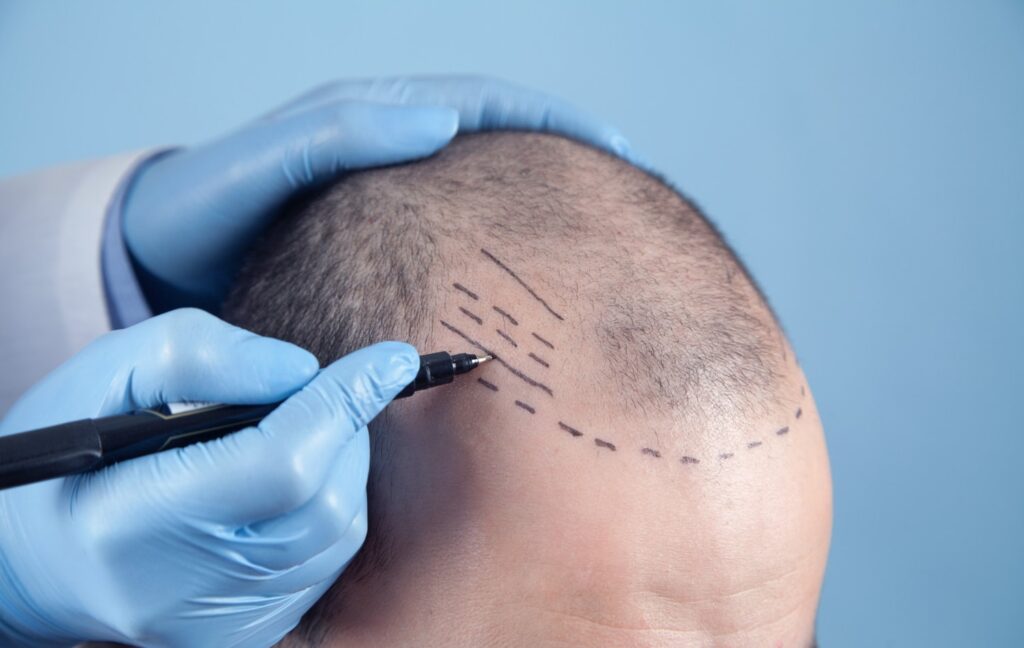
FUE is a minimally invasive hair transplant technique. Unlike older methods that remove a strip of scalp, FUE involves extracting individual hair follicles from the donor area, typically the back or sides of the scalp, and implanting them in the thinning or bald areas.
The procedure uses a tiny punch tool, usually less than one millimeter in diameter, to harvest follicles without creating large incisions. This precision significantly reduces tissue trauma and is one of the main reasons why FUE is associated with less pain compared to traditional methods.
Pain Management During Surgery
During an FUE procedure, local anesthesia is administered to both the donor and recipient areas. This numbs the scalp completely, ensuring that the patient does not feel pain during follicle extraction or implantation.
Most individuals describe the sensation as pressure or mild tugging rather than pain. The anesthesia is effective throughout the procedure, which typically lasts several hours depending on the number of grafts being transplanted. Continuous communication with the surgical team allows adjustments if any discomfort occurs.
Sensations Experienced During FUE
Even with anesthesia, patients may notice some sensations during the procedure:
-
Mild Pressure: Feeling the follicle being extracted or implanted.
-
Tapping or Vibrating Sensation: From the small punch tool used for extraction.
-
Occasional Pinching: Brief and rare, generally well-tolerated.
These sensations are generally not painful and are far less intense than older hair transplant methods involving large incisions.
Post-Procedure Discomfort
After the anesthesia wears off, it is normal to experience mild tenderness or soreness in both the donor and recipient areas. Most individuals describe this as similar to a mild sunburn or scalp tightness, which usually subsides within a few days.
The discomfort is typically manageable and does not interfere with normal activities. Light analgesics, if needed, can provide additional relief, but most people find that the post-operative pain is minimal compared to the overall benefit of the procedure.
Recovery and Pain Timeline
The pain and discomfort timeline after FUE is generally short:
-
First 24–48 Hours: Mild soreness or tenderness may be present. Most individuals feel comfortable with minimal intervention.
-
3–5 Days: Scalp tenderness decreases significantly, and daily activities can resume.
-
One Week: Most mild discomfort resolves, leaving the scalp feeling normal.
-
Beyond One Week: The scalp is usually fully comfortable, with minor sensitivity only if touched directly.
Compared to older strip harvesting methods, FUE recovery is notably quicker, with less prolonged discomfort.
Factors Influencing Pain Levels
While FUE is generally well-tolerated, individual experiences may vary due to several factors:
-
Pain Threshold: People with higher sensitivity may feel mild discomfort more acutely.
-
Extent of Hair Transplant: Larger sessions with more grafts may result in slightly more tenderness.
-
Scalp Sensitivity: Some areas may be more prone to mild discomfort than others.
-
Post-Procedure Care: Gentle handling and proper scalp care reduce irritation and potential soreness.
Most patients report that discomfort is minimal and well within manageable levels.
Comparing FUE Pain to Other Hair Transplant Methods
Traditional hair transplant methods, such as Follicular Unit Transplantation (FUT) or strip harvesting, often involve more pain and longer recovery due to the larger incision and sutures required. FUE’s minimally invasive technique eliminates the need for a linear incision, resulting in significantly less post-operative pain and a faster return to normal activities.
Managing Discomfort After FUE
Simple measures can help reduce any mild post-operative discomfort:
-
Avoid scratching or rubbing the scalp.
-
Sleep in a slightly elevated position to reduce pressure.
-
Avoid strenuous exercise in the first few days to minimize tension on the scalp.
-
Follow post-procedure care instructions for washing and cleaning the scalp.
These steps support a smooth recovery and help ensure that any discomfort remains mild.
FAQs About FUE Pain
Does the FUE procedure hurt during surgery?
With local anesthesia, most patients feel little to no pain, experiencing only mild pressure or tugging.
Is the recovery period painful?
Post-procedure discomfort is typically mild and short-lived, resembling scalp tenderness or sunburn.
Will I need strong painkillers?
Most individuals manage with over-the-counter mild pain relief, though some may not need any at all.
Are some areas of the scalp more sensitive?
Yes, the donor area and hairline may feel slightly tender for the first few days, but this usually subsides quickly.
Does FUE hurt more than FUT?
No, FUE is generally less painful than FUT due to its minimally invasive nature and absence of a large linear incision.
Can multiple sessions increase pain?
Mild discomfort may be slightly higher in larger sessions, but proper anesthesia and post-procedure care keep pain minimal.
Conclusion
An FUE hair transplant is minimally painful, both during the procedure and throughout recovery. Local anesthesia ensures a nearly pain-free experience during follicle extraction and implantation. Post-procedure tenderness is generally mild and short-lived, with most individuals resuming normal activities within days.
Compared to older hair transplant methods, FUE offers a significantly more comfortable experience, making it a preferred option for those concerned about surgical discomfort. With proper preparation, care, and understanding of the recovery process, patients can achieve natural, long-lasting hair restoration with minimal pain and disruption to daily life.