primary prevention
Maintaining long-term health is one of the most important goals for individuals and communities alike. One of the most effective strategies to achieve this is through primary prevention, which focuses on preventing diseases before they occur.
By adopting healthy habits, engaging in regular screenings, and minimizing exposure to risk factors, individuals can significantly reduce the likelihood of developing chronic illnesses. Primary prevention not only improves quality of life but also reduces healthcare costs and promotes overall well-being. This guide will explore how primary prevention works, its key strategies, and how it can positively impact long-term health outcomes.
Understanding Primary Prevention and Its Importance
Primary prevention involves interventions that stop diseases or health conditions from developing in the first place. Unlike secondary or tertiary prevention, which focuses on early detection or treatment of existing conditions, primary prevention is proactive. It addresses risk factors such as poor diet, physical inactivity, smoking, and environmental hazards. Understanding the principles of primary prevention helps individuals make informed lifestyle choices that protect long-term health. By focusing on prevention rather than cure, people can avoid chronic illnesses and enjoy a higher quality of life.
Healthy Lifestyle Choices
A key element of primary prevention is adopting healthy lifestyle habits. This includes eating a balanced diet rich in fruits, vegetables, and whole grains while limiting processed foods and excessive sugar. Regular physical activity is equally important, as it supports cardiovascular health, strengthens muscles, and maintains a healthy weight.
Additionally, avoiding tobacco products and limiting alcohol consumption reduces the risk of numerous diseases, including cancer, liver disease, and heart conditions. Healthy lifestyle choices form the foundation of primary prevention, creating long-lasting benefits for physical and mental well-being.
Vaccinations and Immunizations
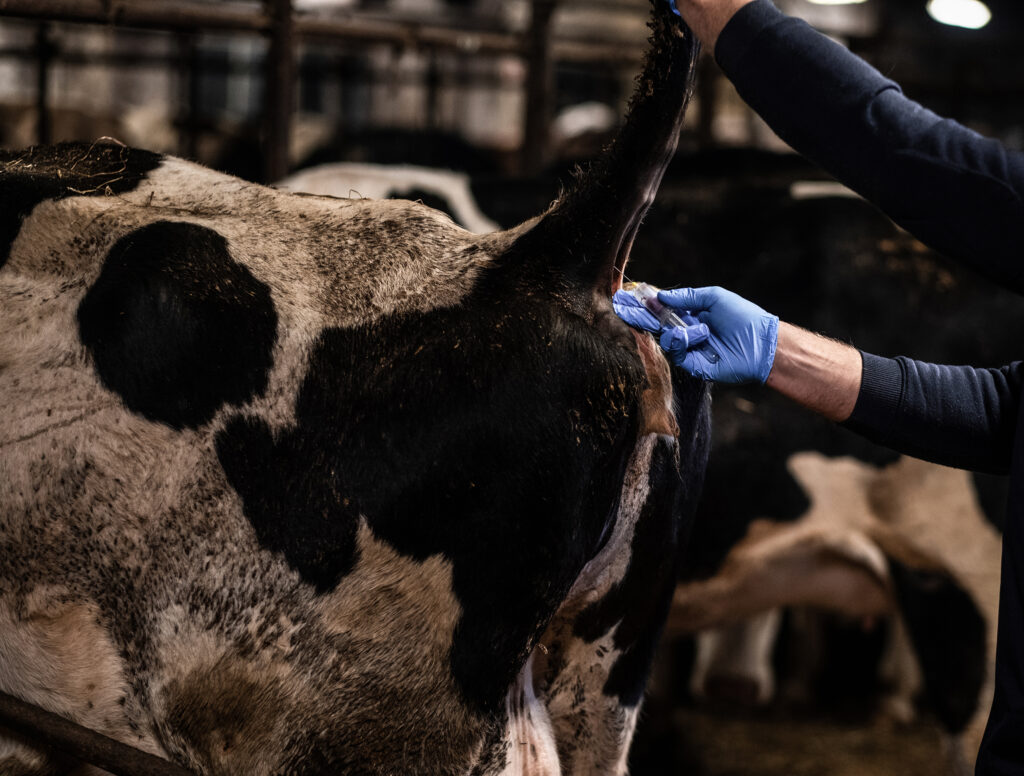
Vaccinations are a cornerstone of primary prevention, protecting individuals from infectious diseases before they occur. Immunizations have eradicated or greatly reduced the prevalence of many life-threatening illnesses, including measles, polio, and influenza.
Routine vaccination schedules, recommended by healthcare authorities, ensure protection across all age groups. Vaccines not only safeguard individual health but also contribute to community immunity, reducing the overall spread of infectious diseases and protecting vulnerable populations.
Environmental and Occupational Safety
Creating safe environments at home, work, and in the community is another critical aspect of primary prevention. Minimizing exposure to harmful chemicals, pollutants, and unsafe practices can significantly lower the risk of chronic illnesses and injuries.
Employers and policymakers play a role in enforcing safety standards and regulations to protect workers from hazards. On a personal level, practicing safety measures, such as using protective gear, proper sanitation, and avoiding environmental toxins, reinforces the preventive approach to long-term health.
Screening, Education, and Early Risk Management
While primary prevention is focused on preventing disease, it also involves identifying potential risk factors and educating individuals about healthy choices. Regular screenings, awareness campaigns, and risk assessments empower people to take proactive steps to protect their health. This combination of knowledge, monitoring, and intervention forms a comprehensive approach to primary prevention that can reduce the incidence of chronic illnesses over time.
Routine Health Screenings
Screenings for blood pressure, cholesterol, diabetes, and other risk factors are important components of primary prevention. These tests allow healthcare providers to identify early warning signs before they develop into serious health issues.
By monitoring risk factors regularly, individuals can make necessary lifestyle adjustments or begin preventive treatments. Early detection through screenings not only reduces disease incidence but also improves long-term outcomes and quality of life.
Health Education and Awareness
Educating communities about the importance of primary prevention is essential for widespread health improvement. Awareness campaigns on nutrition, exercise, mental health, and disease prevention encourage individuals to adopt healthy habits and reduce risk exposure.
Schools, workplaces, and healthcare organizations can play a pivotal role in delivering educational programs. When people understand the benefits of preventive measures, they are more likely to take proactive steps, ultimately reducing the overall burden of chronic diseases.
Managing Risk Factors Early
Primary prevention also emphasizes managing risk factors before they escalate into full-blown conditions. This can include controlling blood pressure, maintaining healthy blood sugar levels, and managing weight through lifestyle interventions.
By addressing these factors early, individuals prevent the development of more serious health complications, such as heart disease, stroke, or type 2 diabetes. Consistent monitoring and proactive management of risk factors are essential strategies for effective primary prevention.
Final Thoughts
Primary prevention is a proactive and effective approach to safeguarding long-term health. By focusing on healthy lifestyle choices, vaccinations, environmental safety, and early risk management, individuals can significantly reduce their risk of chronic diseases. southwestanimalhospital.com Implementing primary prevention strategies not only improves individual health outcomes but also enhances community well-being and reduces the burden on healthcare systems.