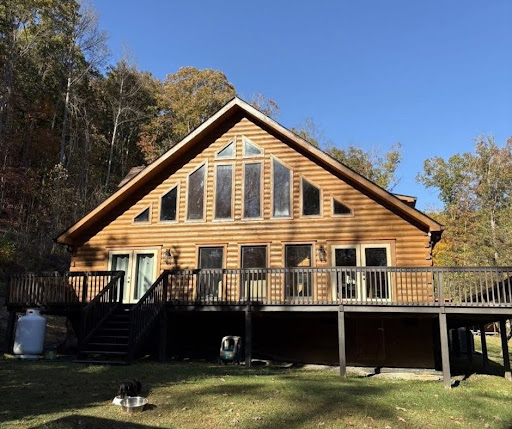
Owning a log home is… well, it’s a commitment. You’re not just buying walls; you’re buying a living, breathing structure. Wood shifts, cracks, and settles over time. And if you ignore it, you’re asking for trouble. That’s where log house caulking comes in. It’s not glamorous, it’s not flashy, but it’s the unsung hero of long-term log home maintenance.
Let’s be honest. A lot of folks see caulking as just something painters slap on before a weekend project. That’s dead wrong. Proper log house caulking is like armor for your home. It seals gaps, keeps moisture out, and protects the wood from rot, pests, and temperature swings. Skimp on it, and you’re playing with fire—or at least water damage that eats away at your investment.
Why Caulking Matters More Than You Think
If your logs have tiny cracks or splits, it might not seem urgent. But here’s the thing: water finds its way in. Always. A small leak today can turn into a rot problem tomorrow. And when wood starts to rot, you’re not just looking at cosmetic issues; the structural integrity of your cabin could be compromised. That’s a nightmare nobody wants, especially if you’ve poured years—or a lifetime—into your home.
Log house caulking fills those cracks. It expands and contracts with your wood, creating a flexible barrier that standard sealants can’t match. Think of it as your home’s first line of defense. And unlike painting or staining, which mostly protects the surface, caulking goes deeper—into the joints where logs meet. That’s where the real danger hides.
Common Mistakes Homeowners Make
I’ve seen it plenty of times. People slap on a bead of caulk and call it a day. Bad move. There’s a right way and a wrong way to protect your logs.
- Using the wrong type of caulk – Not all caulks are made for logs. Silicone might work on windows, but logs? They need something designed to move with the wood.
- Skipping prep – Dirt, old caulk, and moisture left in cracks can ruin even the best material. Clean it out, dry it, and only then apply.
- Ignoring maintenance – Caulk isn’t forever. Inspect it yearly. Look for gaps, cracks, or areas where it’s pulled away. It’s easy to patch before it becomes a full-blown problem.
The mistakes aren’t expensive—they’re avoidable. The damage from ignoring them? That’s the real cost.
Spotting Trouble: When to Call for Log Cabin Rotten Log Repair
Sometimes caulking can’t do it alone. If moisture has been sneaking in for years, you may be staring at serious rot. That’s when log cabin rotten log repair comes into play. Don’t wait. Rot spreads fast. A few soft spots today can mean whole logs need replacement tomorrow. And trust me, no amount of caulking is going to fix a log that’s compromised deep inside.
How do you know if you’ve got a rotten log? Check for:
- Soft or spongy areas when you press on the wood.
- Dark, discolored streaks or patches.
- Musty odors inside your home.
- Insects or signs of wood-boring pests.
If any of that shows up, it’s time to act. A professional repair can stabilize your home, and once that’s done, caulking keeps it from happening again. Prevention beats repair every time.
Choosing the Right Caulking for Your Log Home
Not all caulking is created equal. Look for products labeled specifically for log homes or heavy timber. They need flexibility, UV resistance, and adhesion that stands up to seasonal wood movement. A rigid caulk will crack in winter or pull away in summer. It might look fine at first, but six months down the line, you’re back to square one.
Color also matters. Many log home owners want a caulk that blends with the wood. That’s not just cosmetic—it helps you spot cracks later. If the caulk stands out too much, you’ll miss gaps that open up over time. And yes, it’s worth spending a few extra bucks on quality. Cheap caulk might save you ten bucks today but cost thousands in repairs down the road.
Maintenance Tips for Long-Term Protection
Even the best caulking isn’t a set-it-and-forget-it deal. Log homes need attention. A yearly inspection goes a long way. Walk around your home, check the seams, look for water stains, and touch the caulk to see if it still flexes. Pay special attention after harsh winters or heavy rains. Moisture and temperature swings are your logs’ worst enemies.
Also, don’t skip staining. Stain protects the surface from UV damage and water penetration. Caulking and staining together create a defense system. One keeps the outside from deteriorating, the other seals the interior joints. It’s teamwork. Your logs will last longer, and you won’t be scrambling to fix rot in a few years.
DIY vs. Professional Help
Some log homeowners are handy. Great. Caulking is doable if you know what you’re doing. But when it comes to log cabin rotten log repair, things get more complex.
If your logs are old, your gaps are wide, or you suspect hidden rot, bring in a pro. They can assess structural issues, apply caulk correctly, and identify spots you might miss. It’s worth it. You’ll save time, headaches, and money in the long run.
Final Thoughts
Your log home deserves more than a patch job or a half-hearted attempt at maintenance. Log house caulking isn’t glamorous, but it’s essential. It keeps water out, preserves your logs, and protects the time and money you’ve invested. And if there’s any sign of rot, don’t mess around—get log cabin rotten log repair before it spreads.
Think of caulking as your home’s armor. Without it, those little cracks become big problems fast. With it, you’ve got a strong, flexible shield that will keep your logs standing proud for decades. It’s simple, practical, and—most importantly—it works. So roll up your sleeves, inspect your home, and give it the protection it deserves. Your log cabin isn’t just a house—it’s a legacy. Don’t let moisture and rot steal it from you.