Understanding Sensitive Skin
Sensitive skin often reacts strongly to environmental factors, skincare products, and physical stimuli. It can feel tight, appear red, or experience occasional discomfort. These characteristics mean that any skin treatment, including chemical peels, needs to be gentle and carefully tailored to avoid overstimulation.
How Chemical Peels Work
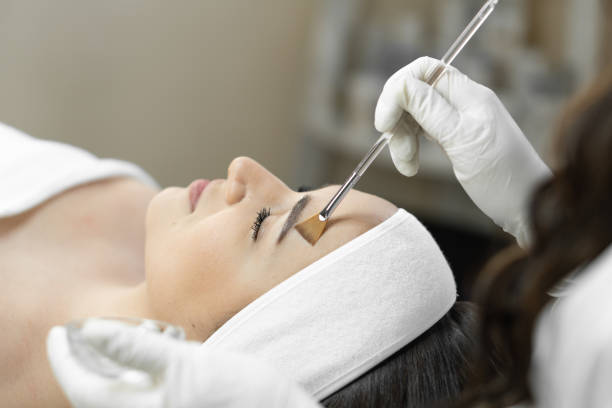
Chemical peels involve applying a solution to the skin that removes older surface cells and encourages the growth of fresh ones. By promoting natural skin renewal, chemical peels can improve texture, tone, and brightness. For sensitive skin, the key is to use formulations that work gradually and avoid overly aggressive reactions.
Choosing the Right Type of Peel
Not all chemical peels are the same. Superficial peels are designed to work on the outermost layer of skin and are usually well-tolerated by sensitive skin. These peels provide gentle exfoliation and support gradual improvement in texture and clarity. Medium or deep peels, which reach deeper layers, may be too strong for sensitive skin and should be approached cautiously.
The Role of Patch Testing
Patch testing is an important step for sensitive skin before a chemical peel. Applying a small amount of the solution to a discreet area allows the skin to respond and ensures that it can tolerate the treatment. This step reduces the risk of strong reactions and helps determine the safest approach.
Preparing Sensitive Skin for a Peel
Preparation is key to protecting sensitive skin. Gentle cleansing, avoiding harsh products, and maintaining hydration in the days leading up to a peel can help the skin respond more effectively. Proper preparation ensures that the peel works on surface cells without triggering excessive irritation.
Supporting Gradual Skin Renewal
For sensitive skin, gradual improvement is more effective than aggressive treatment. Chemical peels for sensitive skin focus on controlled exfoliation and supporting the skin’s natural renewal. Over time, the skin becomes smoother, brighter, and more even without experiencing unnecessary stress.
Minimizing Discomfort During the Peel
Chemical peels can sometimes cause tingling or warmth, but formulations suitable for sensitive skin are designed to reduce discomfort. The goal is to stimulate renewal gently while allowing the skin to remain calm and protected throughout the process.
Complementing Skincare After a Peel
After a chemical peel, sensitive skin benefits from supportive care. Using gentle moisturizers, avoiding strong active ingredients, and protecting the skin from excessive sun exposure helps maintain results and allows the skin to recover smoothly. This care enhances the peel’s benefits without overloading delicate skin.
The Benefits for Sensitive Skin
Even sensitive skin can see noticeable improvements from chemical peels. By carefully promoting cell turnover, peels can smooth texture, brighten the complexion, and reduce minor discoloration. The results often appear gradual and natural, making chemical peels a suitable option for long-term skin care.
Frequency Considerations for Sensitive Skin
Sensitive skin may require longer intervals between peels to allow recovery. Spacing treatments thoughtfully ensures the skin completes its renewal cycle and remains balanced. Gradual scheduling helps maintain improvements without triggering irritation or overstimulation.
FAQs About Is a Chemical Peel Safe for Sensitive Skin
Can sensitive skin get chemical peels
Yes, sensitive skin can benefit from chemical peels when gentle formulations and appropriate depths are used. Superficial peels are usually the safest choice.
Will a chemical peel cause redness or irritation
Mild tingling or temporary redness may occur, but gentle peels for sensitive skin minimize these effects. Proper preparation and post-peel care help reduce the likelihood of irritation.
How should sensitive skin be cared for after a peel
Moisturizing, avoiding harsh products, and protecting from sun exposure are key steps. These measures support healing and maintain the benefits of the peel.
How often can sensitive skin get a chemical peel
Sensitive skin may require longer intervals between treatments to allow full recovery. Gradual scheduling ensures safe and effective results.
Can chemical peels help sensitive skin improve texture and brightness
Yes, even sensitive skin can experience smoother texture and a brighter, more even complexion when treated with gentle chemical peels.
Final Thoughts on Is a Chemical Peel Safe for Sensitive Skin
Chemical peels can be safe and effective for sensitive skin when approached with care. Choosing gentle formulations, performing patch testing, preparing the skin properly, and supporting recovery afterward ensures that sensitive skin can benefit from improved texture, tone, and radiance. With thoughtful scheduling and consistent care, chemical peels can enhance sensitive skin gradually and naturally without causing undue stress.