A Glycolic Acid Peel is widely known for improving skin texture, tone, and overall radiance, but many people still ask an important question: Is a Glycolic Acid Peel suitable for all skin? This chemical exfoliation treatment has become popular among individuals seeking smoother and clearer skin through non-invasive skincare solutions. People searching for Glycolic Acid Peel in Dubai often explore it as a way to refresh dull skin, reduce pigmentation, and support long-term skin renewal. Many skincare centers in the region, including Dynamic Clinic in Dubai, highlight glycolic acid peels as part of advanced aesthetic skincare routines.
Understanding What a Glycolic Acid Peel Is
A glycolic acid peel is a type of chemical exfoliation that uses glycolic acid, an alpha hydroxy acid (AHA) derived from sugarcane. Because of its small molecular size, glycolic acid penetrates the skin effectively and works by dissolving the bonds between dead skin cells.
This process allows the outer layer of dull or damaged skin to shed, revealing smoother and brighter skin beneath. Glycolic acid peels are commonly used to improve various skin concerns, including uneven texture and mild discoloration.
Common skin concerns addressed by glycolic acid peels include:
-
Uneven skin tone
-
Mild acne scars
-
Sun damage
-
Dull or rough skin texture
-
Early signs of aging
-
Enlarged pores
Dermatology literature frequently highlights glycolic acid as one of the most researched and widely used AHAs in professional skincare treatments.
How Glycolic Acid Peels Work on the Skin
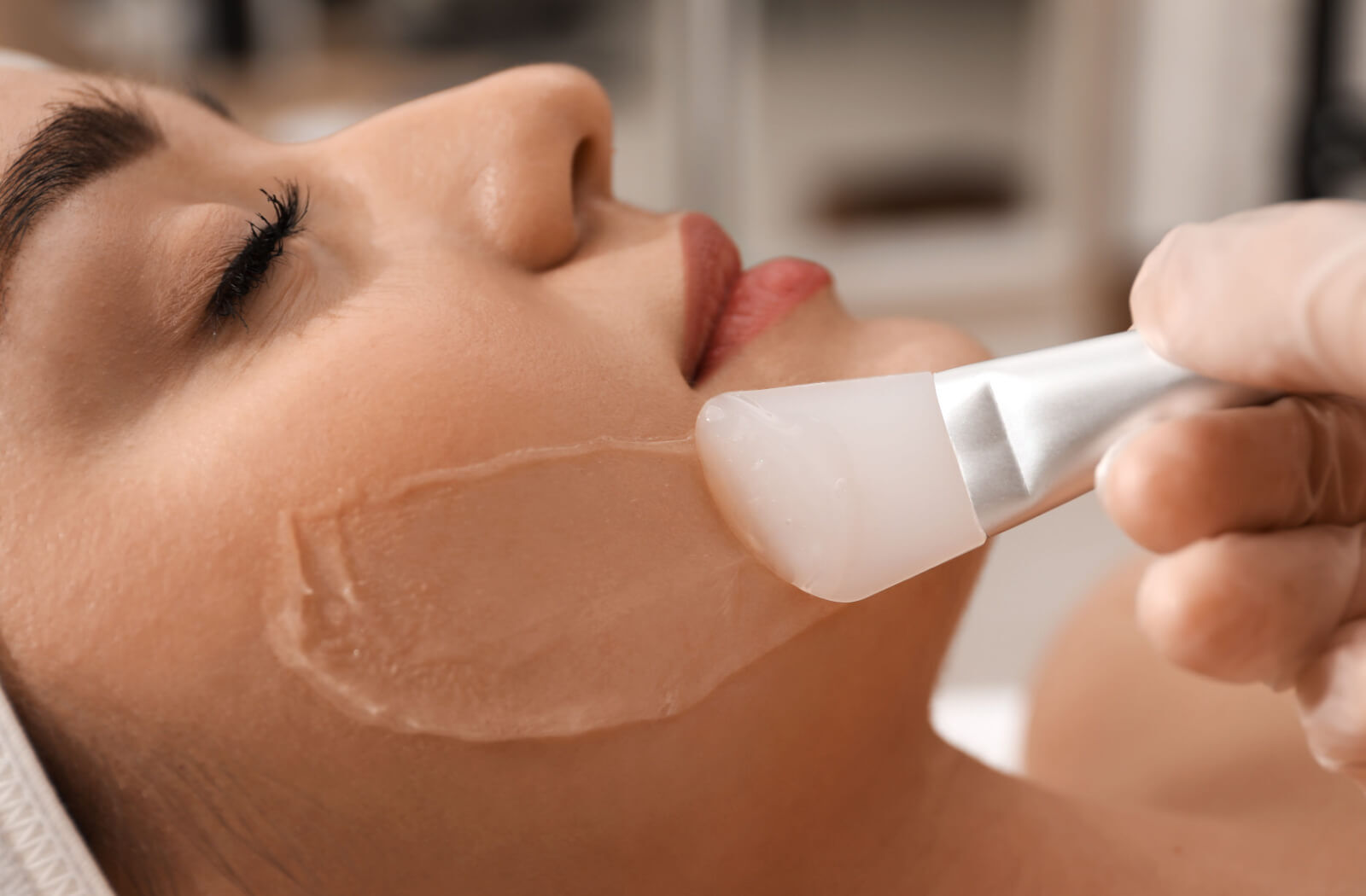
Glycolic acid works by loosening the outer layer of dead skin cells that accumulate on the skin’s surface. Once these cells are removed, newer and healthier cells become visible, improving the skin’s appearance and texture.
The peel also stimulates natural skin renewal, which helps promote a brighter complexion over time. When used appropriately, glycolic acid may support collagen activity and improve skin elasticity.
The general process involves:
-
Cleansing the skin to remove oils and impurities
-
Applying a controlled concentration of glycolic acid
-
Allowing the peel to remain on the skin for a specific period
-
Neutralizing the peel to stop the chemical activity
-
Applying soothing and protective skincare products
The intensity of the peel can vary depending on the formulation and the individual’s skin condition.
Skin Types That Often Respond Well to Glycolic Acid Peels
Glycolic acid peels can work well for many skin types, especially individuals dealing with surface-level concerns related to texture and pigmentation.
Skin types that typically benefit include:
-
Normal skin: Helps maintain smooth texture and glow
-
Oily skin: Supports pore cleansing and oil balance
-
Combination skin: Improves uneven tone and surface congestion
-
Sun-damaged skin: Helps refresh dull or uneven areas
Because glycolic acid exfoliates the top layer of skin, individuals looking to enhance skin clarity and brightness often choose this treatment as part of a long-term skincare routine.
Skin Types That May Need Extra Caution
Although glycolic acid peels can benefit many individuals, they may not be suitable for everyone without careful evaluation.
Certain skin conditions may require extra caution:
-
Very sensitive skin
-
Active skin infections or irritation
-
Severe inflammatory acne
-
Recent cosmetic procedures affecting the skin barrier
-
Certain skin conditions such as eczema or rosacea
People with darker skin tones can still use glycolic acid peels, but professional guidance is often recommended to reduce the risk of post-inflammatory hyperpigmentation.
Benefits of Glycolic Acid Peels
Glycolic acid peels are valued for their ability to improve the skin’s overall appearance while supporting gradual skin renewal.
Key benefits include:
-
Improved skin brightness
-
Smoother texture
-
Reduction in mild pigmentation
-
Refined appearance of pores
-
Enhanced absorption of skincare products
-
Support for gradual collagen stimulation
Because glycolic acid focuses on surface exfoliation, it is often used as part of routine skincare maintenance rather than as a single treatment for deep skin concerns.
Who Should Consider a Glycolic Acid Peel
Individuals considering a glycolic acid peel typically have specific cosmetic concerns related to skin quality and tone.
Common candidates include people who:
-
Want to refresh dull skin
-
Experience mild acne marks or uneven pigmentation
-
Prefer non-surgical skincare solutions
-
Want gradual improvement in skin texture
-
Seek treatments that complement their existing skincare routine
In regions with strong sun exposure such as Dubai, many individuals include chemical exfoliation treatments to help manage sun-related skin concerns.
Preparing the Skin for a Glycolic Acid Peel
Proper preparation helps improve the effectiveness of a glycolic acid peel while reducing the risk of irritation.
Preparation steps often include:
-
Avoiding strong exfoliants before treatment
-
Using gentle skincare products leading up to the peel
-
Protecting the skin from excessive sun exposure
-
Maintaining proper skin hydration
Following these guidelines allows the skin barrier to remain balanced, which helps the peel perform more predictably.
Post-Peel Skin Care and Protection
After a glycolic acid peel, the skin becomes more sensitive as the outer layer has been exfoliated. Careful aftercare supports the recovery process and helps maintain results.
Recommended post-peel care practices include:
-
Using a broad-spectrum sunscreen daily
-
Keeping the skin moisturized
-
Avoiding harsh skincare products temporarily
-
Limiting direct sun exposure
-
Following a gentle skincare routine
Consistent sun protection is particularly important in sunny climates, where UV exposure can affect freshly exfoliated skin.
Conclusion
A Glycolic Acid Peel can be an effective skincare treatment for improving skin tone, texture, and overall brightness. While many skin types benefit from this form of chemical exfoliation, suitability depends on factors such as skin sensitivity, existing conditions, and overall skin health. Understanding how glycolic acid works and identifying whether it aligns with individual skin needs helps ensure safe and effective results. When incorporated thoughtfully into a skincare routine, glycolic acid peels remain one of the most recognized treatments for maintaining smoother and more refreshed skin.