Assessing Body Proportions
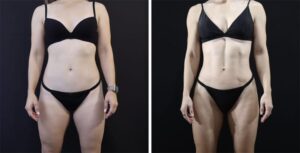
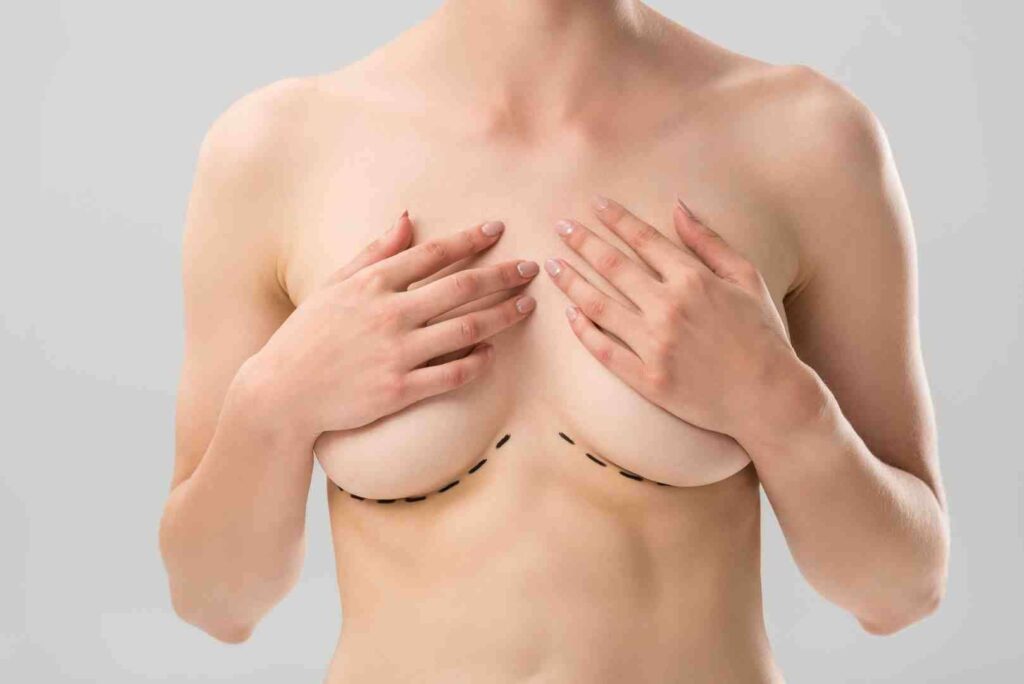
One of the most important factors in determining whether breast augmentation is suitable is your body proportions. The size and shape of implants should harmonize with your natural frame, shoulder width, and chest dimensions. Selecting implants that are too large or disproportionate to your body may lead to an unnatural appearance and affect comfort.
Body composition, including breast tissue, chest wall shape, and overall weight, also plays a role in achieving balanced results. A thorough assessment helps ensure that augmentation complements your natural contours rather than creating an exaggerated or uneven look.
Personal Goals and Expectations
Understanding your personal goals is essential. Some individuals seek subtle enhancement for a more natural look, while others desire a more dramatic increase in size or shape. Clear communication about expectations helps guide implant selection, placement, and surgical technique to achieve results that align with your vision.
It is important to have realistic expectations regarding what breast augmentation can accomplish. The surgery can improve appearance and symmetry, but it does not alter overall body structure or fully address other physical concerns.
Lifestyle Considerations
Lifestyle factors, including activity level, occupation, and athletic involvement, influence whether breast augmentation is right for your body. Active individuals and athletes should consider implant placement, recovery time, and potential impact on physical performance. Submuscular implants, for example, provide a natural contour and reduce interference with chest movement, making them suitable for those with high activity levels.
Post-surgery adjustments to exercise routines, temporary activity restrictions, and supportive garments may be required during recovery, so understanding how the procedure fits into your lifestyle is critical.
Skin and Tissue Considerations
The elasticity of your skin and the amount of natural breast tissue affect both the appearance and feel of implants. Individuals with firmer, more elastic skin tend to achieve smoother and more natural results. In cases where the skin is stretched or minimal breast tissue is present, careful planning and implant selection are necessary to create a natural contour and minimize visible edges.
Skin quality also influences the long-term appearance of the breasts, as aging, weight fluctuations, or pregnancy can affect shape and firmness over time.
Frequently Asked Questions
Can breast augmentation suit all body types
Yes, but careful assessment of body proportions, chest structure, and breast tissue is essential to select implants that look natural and harmonious.
How do I know what size is right
Implant size should balance aesthetic goals with body proportions to ensure a natural appearance and avoid discomfort.
Will lifestyle affect my results
Active individuals may need to consider implant placement and temporary modifications to exercise during recovery, but long-term fitness can usually continue without restriction.
Can my skin handle implants
Skin elasticity and breast tissue thickness are important factors. Proper evaluation helps ensure smooth, natural-looking results.
How do I set realistic expectations
Consultation with a qualified professional and reviewing visual examples of outcomes can help define achievable and satisfying results.
Conclusion
Determining whether breast augmentation surgery is right for your body involves evaluating body proportions, personal goals, lifestyle, and skin quality. Proper planning and realistic expectations are essential to achieve results that enhance appearance while maintaining natural harmony with your body.