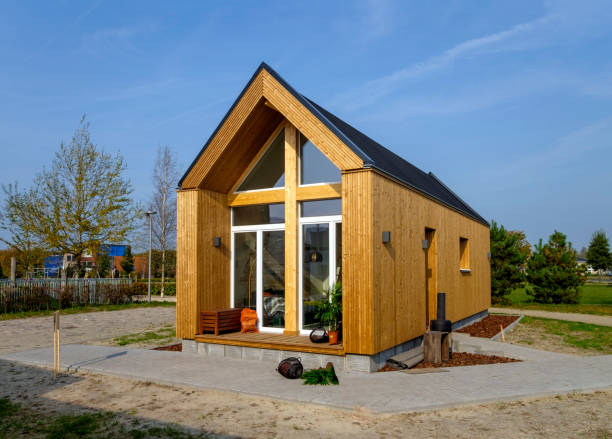
Why This Question Keeps Coming Up More Than You’d Think
People keep asking this like there’s a simple yes or no. There isn’t. It usually starts the same way—someone gets tired of high rent, big loans, all that pressure, and starts looking at smaller options. Somewhere along the way, the phrase legal tiny house shows up. Not in the beginning, but once reality kicks in. Building one is the easy part compared to making it legal to live in. That’s where things get messy. You’d think owning land means you can just place your home and move in. Doesn’t work like that. Rules step in fast. Local laws, codes, zoning… all of it matters. And yeah, some of it feels unnecessary. But ignoring it? That’s how people get stuck with a house they technically can’t use.
What “Legal” Really Means Here (It’s Not Just Paperwork)
When people say “legal,” they usually think permits, and that’s it. It’s bigger than that. It’s how your tiny house is classified, what standards it meets, and whether it fits into local housing definitions. Some places treat tiny homes like RVs. Others see them as accessory units. A few treat them like actual houses, which sounds good until you see the requirements. Ceiling height rules, emergency exits, insulation standards, electrical systems… it adds up. Miss one thing and suddenly your place isn’t approved for full-time living. Doesn’t mean it’s unsafe. Just means it doesn’t tick the right boxes. And those boxes change depending on where you are. That’s the annoying part. No universal rule. Just layers of local decisions.
Zoning—The Part That Quietly Controls Everything
This is where most people hit the wall. Zoning laws don’t care how well you built your house. They care about where it sits and how the land is classified. You can follow every construction rule and still not be allowed to live there. Happens more than you’d expect. Some areas only allow tiny homes as secondary units. Others don’t allow them at all unless it’s a specific community. Then, some places technically allow them, but pile on restrictions that make it difficult. Minimum lot sizes, parking rules, utility connections—it’s never just one thing. And honestly, zoning rules aren’t always logical. They’re just there. You have to work with them, not around them.
Wheels or Foundation—This Choice Matters More Than You Think
A lot of people choose between wheels or a permanent foundation based on lifestyle. Travel vs staying put. Makes sense. But legally, it changes everything. Tiny houses on wheels often fall under RV rules. That can make things easier in some ways, but harder in others. You might be allowed to park it, but not live in it long-term. Foundations usually mean stricter building codes, but sometimes better acceptance as a permanent home. Neither option is perfect. Just different sets of problems. People underestimate this decision early on. Then later realize it affects permits, insurance, and even where they can park or build. It’s one of those choices you shouldn’t rush.
Why Colorado Keeps Popping Up in These Conversations
You’ll notice certain places come up again and again, and Colorado is one of them. Not because it’s easy, but because it’s evolving. The rules aren’t perfect, but they’re shifting faster than in many areas. That’s why tiny home builders in Colorado get mentioned so often. They’ve had to adapt, figure things out, and deal with changing regulations. That experience counts. Doesn’t mean everything there is smooth. It’s still a process. But compared to places that haven’t updated anything in years, it’s a bit more workable. People look for examples of where this lifestyle is actually possible. Colorado ends up on that list a lot.
Insurance—This Is Where Things Get Weird
You’d think once the house is built and placed legally, you’re good. Not quite. Insurance can get tricky. Many home insurance providers don’t know how to handle tiny homes, especially if they’re on wheels. Some treat them like RVs. Others don’t want to cover them at all. Then you get into location risks. If your house is in an area prone to flooding, getting decent flood insurance quotes can be frustrating. Prices go up, options go down. It’s not impossible, just… complicated. Some people skip insurance to avoid the hassle. That’s a gamble. One issue, one accident, and you’re starting over. Not worth it, honestly.
Permits and Approvals—The Slow Part Nobody Enjoys
This part drags. There’s no way around it. Permits for building, permits for placement, and sometimes separate approvals for utilities. It stacks up fast. And the process isn’t always clear. One office tells you one thing, another says something slightly different. You go back and forth. It takes time. Missing a step can delay everything or force you to redo work. That’s the frustrating bit. But if you want a legal tiny house, you have to go through it. No shortcuts here. Once it’s done, though, it’s done. That’s the payoff. No stress about being flagged later.
Can You Actually Live in It Full-Time? Depends on where you are
This is the main question, really. Can you live in it every day, like a normal house? The answer isn’t consistent. Some places allow it without much issue. Others limit how long you can stay in a tiny house, especially if it’s mobile. A few only allow them as temporary setups. That’s why location matters more than design. You could build something perfect and still not be allowed to live in it the way you planned. It sounds frustrating because it is. But that’s the current situation. Things are changing slowly, but not everywhere at the same pace.
Why People Are Still Doing It Anyway
Even with all these hurdles, people keep moving toward tiny living. That says something. It’s not just about saving money, though that’s part of it. It’s about control. Simplicity. Less space, fewer things to manage. That appeals to a lot of people right now. And as more people push for it, regulations start to shift. Slowly, but they do. The growth of tiny home builders in Colorado is part of that. Where demand grows, systems usually follow. It doesn’t fix everything overnight, but it pushes things forward.
Final Thoughts—Is It Worth Dealing With All This
So yeah, you can make it work. A legal tiny house is possible. But it’s not something you stumble into easily. You plan for it. You deal with zoning, codes, permits, and insurance. It’s a process. If you go in expecting it to be simple, you’ll probably get annoyed fast. If you go in knowing it’s a bit messy, you handle it better. That’s really it. Places like Colorado show it’s becoming more doable, especially with experienced builders around. That’s why tiny home builders in Colorado keep getting attention. They’ve already figured out parts that others are still struggling with. End of the day, it’s doable. Just not effortless, and probably never will be.