Many people consider thigh fat removal as part of their overall approach to improving their body shape. Whether pursued for aesthetic reasons or to reduce discomfort, it’s important to understand the safety considerations, realistic outcomes, and potential risks associated with the procedure. Before making any decisions, gaining insight into how the process works and what to expect is essential.
What Is Thigh Fat Removal?
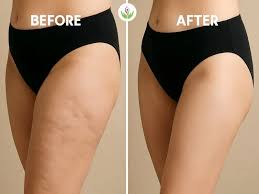
Thigh fat removal refers to surgical or minimally invasive procedures designed to reduce excess fat in the thigh region. It is often considered when diet and exercise have not achieved the desired contour. Procedures commonly used include liposuction techniques, which target pockets of fat and help reshape the inner, outer, or anterior thighs. More extensive approaches may combine fat removal with skin tightening for improved contour.
As part of body contouring thigh fat removal is usually tailored to the individual’s anatomy, goals, and lifestyle. The aim is to achieve smoother, more proportionate thigh contours while maintaining functional mobility.
Safety Considerations
Safety is a primary concern in any surgical or fat-reduction procedure. Thigh fat removal can be safe when performed by a properly trained and qualified medical professional, and when the individual is a suitable candidate.
Key factors that influence safety include:
- Overall health: Candidates should be in good general health, without conditions that could increase surgical risks.
- Realistic expectations: Understanding that results vary among individuals helps align goals with achievable outcomes.
- Qualified practitioner: Choosing a surgeon with recognised training and experience in fat-removal procedures improves safety and outcomes.
- Appropriate setting: Procedures should be performed in accredited medical facilities with proper emergency support and anaesthetic care.
Common Risks and Side Effects
Like all medical procedures thigh fat removal carries potential risks and side effects. These may include:
- Bruising and swelling: Common after fat-removal procedures and typically temporary.
- Temporary numbness or altered sensation: Some reduced feeling around the treated area may occur as nerves recover.
- Infection: A risk with any surgical procedure that involves incisions; usually managed with antibiotics if it occurs.
- Irregular contours: Uneven results can happen if healing varies or scar tissue forms unevenly.
- Fluid accumulation: Some individuals may develop fluid under the skin that might require simple drainage.
More serious complications, while uncommon, can include excessive bleeding, thromboembolic events (blood clots), or reactions to anaesthesia. Thorough pre-operative assessment and following post-operative care instructions help reduce these risks.
Recovery and Aftercare
Recovery from thigh fat removal varies depending on the extent of the procedure and the individual’s healing response. Most people experience some swelling and discomfort in the first few days, gradually improving over the weeks. Wearing compression garments as advised can support healing and reduce swelling.
Follow-up appointments allow the medical team to monitor healing, address concerns, and adjust care as needed. Returning to light activity is usually possible within a short period, but strenuous exercise and heavy lifting should be avoided until cleared by a clinician.
Conclusion
Thigh fat removal can be a safe part of a body enhancement plan when performed by experienced practitioners and with proper medical support. Understanding the potential benefits and risks, maintaining realistic expectations, and choosing a qualified clinician are the foundations of safe and satisfactory results.