Introduction
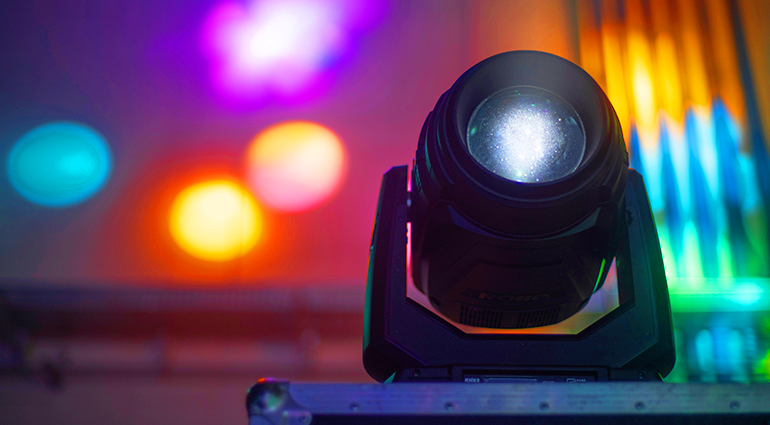
Moving head lights are one of the most powerful tools in modern live productions. They bring energy, motion, and dynamic visual effects to concerts, theater shows, and events. However, even the best lighting equipment can fail to deliver good results if it is not set up correctly.
Many beginners and even experienced technicians make avoidable mistakes during installation and programming. These mistakes can lead to poor visibility, safety risks, or a less engaging audience experience. In this guide, we will explore four common mistakes to avoid when working with moving head lights, along with practical solutions to improve your setup.
Understanding Event Lighting Equipment
Before diving into setup mistakes, it is important to understand the role of event lighting equipment in live productions. This category includes moving heads, wash lights, beam lights, spotlights, and control systems that work together to create a complete visual experience.
Moving head lights are especially popular because they can rotate, tilt, change colors, and create dynamic patterns. However, their flexibility also means they require careful planning and control. Unlike fixed lights, they depend heavily on correct positioning, programming, and coordination with other equipment.
Understanding how different lighting tools interact helps ensure a balanced setup where each fixture contributes to the overall performance instead of working against it.
Mistake 1: Poor Positioning of Moving Head Lights
One of the most common mistakes is placing moving head lights in the wrong position. Many users install them without considering angles, coverage, or audience perspective. This leads to uneven lighting, shadows on performers, or blind spots on stage.
Moving heads should be positioned based on stage layout and performance movement. If they are placed too low, they may block the audience’s view or create harsh angles. If they are placed too high without proper adjustment, they may miss key performance areas.
Proper positioning ensures that light beams cover the entire stage evenly and can move freely without obstruction. It is always important to test different angles during rehearsal before finalizing placement.
Mistake 2: Overusing Effects and Movement
Another common mistake is overloading the performance with too many effects. Moving head lights are powerful and can create dramatic patterns, fast movements, and color changes. However, using all these features at once can overwhelm the audience.
When everything is flashing and moving constantly, it becomes difficult for viewers to focus on performers. Instead of enhancing the experience, it can create visual confusion.
A better approach is to use effects strategically. Slow movements, subtle color transitions, and timed effects can be much more effective than constant motion. The goal is to support the performance, not distract from it.
Mistake 3: Improper Programming and Timing
Programming plays a crucial role in how moving head lights perform during a live show. A common mistake is poor synchronization between lighting cues and performance moments.
If lights change too early or too late, they can disrupt the flow of the show. For example, a dramatic spotlight appearing after a key moment loses its impact. Similarly, incorrect timing of color changes can reduce emotional effect.
Proper programming involves carefully mapping lighting cues to the script or music. This requires rehearsal and testing to ensure that every lighting change happens at the right moment. Good timing makes the lighting feel natural and enhances storytelling.
Mistake 4: Ignoring Safety and Power Requirements
Safety is often overlooked when setting up moving head lights. These fixtures require stable mounting, proper cabling, and sufficient power supply. Ignoring these factors can lead to serious issues such as equipment failure or electrical hazards.
Another common issue is overloading power circuits by connecting too many lights without proper distribution. This can cause flickering, shutdowns, or even damage to equipment.
It is also important to ensure that all fixtures are securely mounted using proper clamps and safety cables. Moving heads are heavy and constantly in motion, so stability is essential for both safety and performance reliability.
Choosing the Right Stage Lights for Sale
When selecting stage lights for sale, it is important to focus on quality, compatibility, and durability. Not all moving head lights are built the same, and choosing the right product can make a huge difference in performance results.
Look for lights that offer smooth movement, reliable DMX control, and strong build quality. Cheaper options may seem attractive, but they often lack stability and precision, which can affect your entire lighting setup.
It is also important to check whether the lights are compatible with your existing control system. Proper integration ensures smoother operation and reduces the risk of technical issues during live performances.
Investing in high-quality lights not only improves performance but also reduces maintenance and replacement costs over time.
Helpful Tips for Better Moving Head Light Setup
To get the best results from your moving head lights, consider these practical tips:
Start with a clear lighting plan before installation. Know where performers will move and how lighting should follow them.
Always test your setup during rehearsals to identify positioning or timing issues early.
Balance movement and stillness in your design to avoid overwhelming the audience.
Use lighting zones to divide the stage and assign specific roles to each fixture.
Keep your programming simple at first, then gradually add complexity once the basics are working smoothly.
These simple practices help improve both safety and visual quality.
Improving Audience Experience with Proper Lighting Design
A well-set lighting system does more than illuminate the stage—it enhances the entire experience. Moving head lights can guide audience attention, highlight emotional moments, and add energy to performances when used correctly.
However, achieving this effect requires balance. Overuse of motion or improper setup can reduce impact instead of improving it. A thoughtful approach ensures that lighting supports the story being told on stage.
FAQs
Q1: How many moving head lights do I need for a live performance?
It depends on stage size and event type. Smaller venues may need only a few, while large concerts require multiple units for full coverage.
Q2: Can moving head lights be used for small events?
Yes, but they should be used carefully to avoid overpowering the space.
Q3: Do I need professional training to operate moving head lights?
Basic operation can be learned easily, but professional training helps improve programming and design quality.
Q4: What is DMX control in moving head lights?
DMX is a control system that allows you to program and manage lighting effects from a central controller.
Q5: How often should moving head lights be maintained?
Regular maintenance after events and periodic inspections ensure long-term reliability and performance.
Final Words
Avoiding common mistakes when setting up moving head lights is essential for creating a professional and visually engaging live performance. Proper positioning, balanced effects, accurate programming, and attention to safety all play a key role in achieving the best results.By carefully selecting reliable event lighting equipment, you can ensure smoother operation and better visual impact. Choosing high-quality stage lights for sale also improves long-term performance and reduces technical issues during shows.
For production teams and event organizers looking for dependable lighting solutions, Sound Dance ships products to the USA, offering professional-grade equipment designed to support safe, dynamic, and visually impressive performances.