The Gradual Rise of Indian Food in the United States
Indian food didn’t become popular in the United States overnight. Its rise was gradual, thanks to neighborhood restaurants, late-night takeout, and diners seeking something deeper than their usual meals. In recent years, though, the growth seems more deliberate. The popularity of Indian food is no longer just about availability; it’s about how the cuisine is expanding, changing, and showing up in new ways that fit how people eat now.
A Shift Toward Interactive Dining
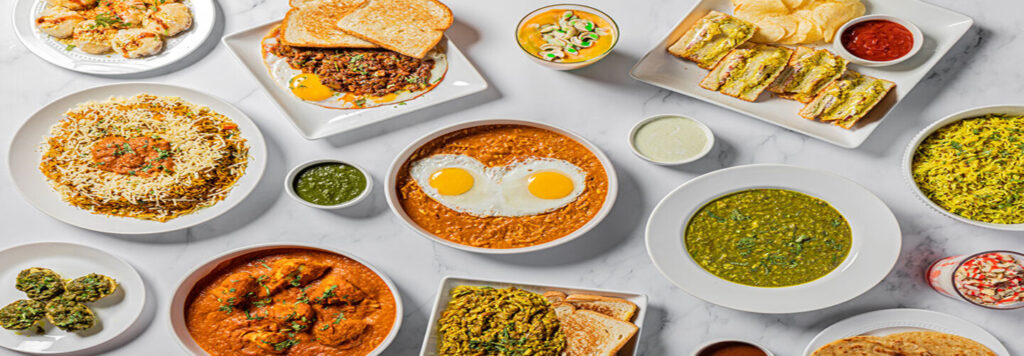
I was thinking about this during a recent visit to Eggholic. What struck me wasn’t just the flavor, but the rhythm of the place. People weren’t ordering one large entrée and settling in for a long meal. They were ordering multiple dishes, trying different textures, sharing plates, and returning to the counter for something else. That kind of movement says a lot about where Indian food is headed in the USA. It’s becoming more interactive and more suited to everyday dining, which is contributing to the growing popularity of Indian food across different age groups.
The Power of Layered Spices
Indian food is known for its spices. But it’s not just about heat; it’s about layers of flavor. In a good masala dish, you taste more than just chili. You notice garlic, cumin, onion, tomato, and a warmth that builds slowly. The first dish I tried that day had this exact quality. The spice didn’t come all at once; it developed over time. That’s what makes food feel light and keeps you wanting more.
Variety That Keeps People Coming Back
Another reason behind the popularity of Indian food is its variety. One menu can offer rice dishes, wraps, and rich gravies without repeating the same flavors. You might have something bold and saucy one moment, then enjoy a quick, comforting wrap the next. This range makes it easy for people to return often rather than save Indian food for special occasions.
Street-Style Flavors for Modern Tastes
The egg-based dishes I tried had a distinct warmth. They weren’t delicate or overly refined. They felt like the kind of food meant to be eaten quickly, maybe even standing up, with enough spice to wake you up but enough balance to keep you grounded. That’s the kind of dish that translates well in the American dining scene right now. People want flavor that feels immediate.
Adaptability: The Key to Growth
Indian food is also popular because it’s so adaptable. It can be casual or complex, quick or slow, meant for sharing or for one person. During my visit, I saw groups sampling a little of everything — a wrap here, a rice plate there, a masala dish in the middle. Indian food works best this way, not as a single main dish but as a series of flavors.
From Special Occasion to Weeknight Favorite
As more restaurants offer street-style menus and regional dishes, Indian food feels less limited. It’s becoming something you can enjoy on a regular weeknight without much planning. This easy access is helping its popularity grow. When people see that Indian food doesn’t have to be formal or heavy, they come back more often.
A New Era for Indian Cuisine in the USA
As I left, I thought about how much Indian food in the USA has changed. It’s not just something you try once and forget. Now, it’s something you crave and come back to, knowing there’s always a new dish to try. Restaurants that focus on variety and layered spices, like Eggholic, are helping create this new view. They aren’t changing Indian food; they’re just serving it in a way that matches how people like to eat today.