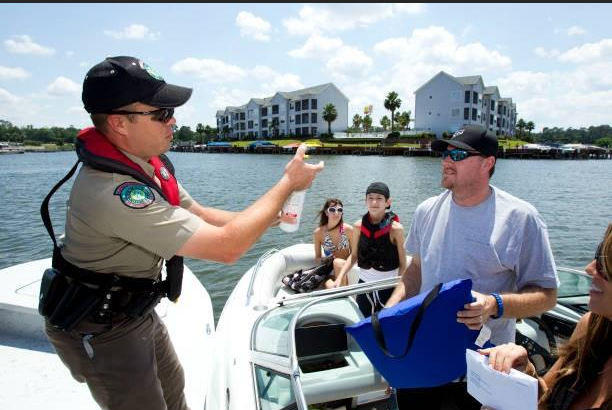
Open water looks peaceful from the shore, yet once on board, there are controls, rules, wind direction, and safety procedures to think about. That is why you need a private boating lesson. Unlike group classes, private instruction focuses entirely on one student or one family.
The pace adjusts to skill level. Questions get answered immediately. Confidence builds faster. In the first two hours alone, there is a surprising amount that can be covered when the session is structured correctly. Here is what those first two hours should include and why each element matters.
Key Takeaways
- Safety and boat orientation come first before leaving the dock.
- Students learn essential pre-departure checks to prevent common issues.
- Hands-on practice with steering, throttle control, and docking begins early.
- Basic navigation rules and right-of-way are introduced immediately.
- Anchoring and emergency basics are covered to build preparedness.
- Repetition builds confidence and comfort at the helm.
What You’ll Learn in the First Two Hours of Private Boating Lessons
- Understanding the Boat Before Leaving the Dock
Every strong lesson starts with orientation. Before the engine turns on, time should be spent understanding the vessel itself.
- Basic Parts of the Boat
A beginner should walk away knowing key terms such as:
- Bow and stern
- Port and starboard
- Helm and throttle
- Cleats and fenders
- Bilge and deck
This is not just vocabulary for show. Clear communication is critical on the water. When an instructor says, “Secure the line on the starboard cleat,” there should be no confusion.
In customized boating lessons, instructors often tailor this walkthrough based on the type of vessel being used. A pontoon, center console, or small cruiser each has different layouts and systems. The goal in the first hour is familiarity and comfort.
- Safety Equipment Overview
Before movement begins, students should know where all safety equipment is located:
- Life jackets and proper fit
- Fire extinguishers
- First aid kit
- Emergency radio or signaling devices
- Throwable flotation device
This portion of the session introduces essential safety lessons. Even experienced boaters benefit from revisiting these fundamentals. Safety is not optional. It is the foundation of every outing.
- Pre-Departure Safety Checks
Once the layout is understood, the next skill is learning how to inspect the boat before heading out.
A good private boating lesson includes:
- Checking fuel levels
- Inspecting lines and knots
- Testing navigation lights
- Reviewing weather conditions
- Confirming battery power
Students should understand why each check matters. For example, wind direction will affect how the boat leaves the dock. Fuel miscalculations can cut a trip short or create dangerous situations.
This is where awareness starts to develop.
- Starting and Controlling the Boat
Within the first hour, most students are ready to sit at the helm and start the engine under supervision.
- Throttle and Steering Basics
Beginners should learn:
- How throttle controls speed
- Neutral, forward, and reverse gear positions
- How steering responds differently from a car
- The importance of slow and controlled movements
Boats do not have brakes. That realization alone changes how someone thinks about control. Speed management becomes critical.
In a private boating lesson, the instructor can allow hands-on practice immediately, correcting small mistakes before they become habits. This personalized correction is one of the biggest advantages of private instruction.
- Docking Fundamentals
Docking is often the most intimidating skill for new boaters. Wind, current, and limited space can create pressure.
In the first two hours, students should at least practice:
- Approaching a dock at idle speed
- Using reverse to control movement
- Communicating with passengers
- Securing lines properly
- Basic Navigation Rules
The water has its own version of traffic laws. These rules prevent collisions and confusion. During the initial lesson, students should learn:
- Right of way basics
- Reading channel markers
- Understanding no-wake zones
- Awareness of other vessels
These are core elements of boating lessons and should never be skipped. Knowing when to yield and how to interpret markers keeps everyone safer.
- Introduction to Anchoring Techniques
Anchoring is often overlooked in beginner classes, yet it is essential knowledge.
Within two hours, students should at least understand:
- When anchoring is appropriate
- How to choose a safe location
- How much anchor line to release
- How to secure the line properly
Learning foundational techniques early prevents common mistakes such as dragging anchor or anchoring too close to other boats.
Hands-on practice helps students feel the resistance of the line and understand how the boat settles once the anchor sets.
- Situational Awareness on the Water
Beyond mechanics, a private lesson should develop awareness.
Students should begin observing:
- Wind shifts
- Water depth changes
- Boat wakes
- Changing weather patterns
Instructors often pause and ask questions such as, “What do you notice about that approaching vessel?” This builds critical thinking rather than simple memorization.
Customized instruction shines here. If a student plans to boat in coastal waters, lessons can focus on tides. If lakes are the primary environment, attention shifts to depth fluctuations and shoreline hazards.
- Emergency Basics
Even within a short session, some time should be devoted to emergency response basics.
Topics often include:
- Engine failure procedures
- Overboard response
- Radio distress signals
- Staying calm under pressure
A strong foundation in boating safety lessons ensures that students leave prepared, not just excited.
- Communication and Crew Coordination
Boating is rarely a solo activity. Passengers need direction, especially during docking or anchoring.
In the first two hours, students should practice:
- Giving clear instructions
- Assigning simple tasks
- Maintaining calm communication
Leadership on the water builds trust and reduces chaos. A confident captain keeps everyone safer.
- Learning About Boat Maintenance and Transport
While driving is the primary focus, a comprehensive private lesson often touches on logistics beyond the water.
Students may learn about:
- Basic engine care
- Cleaning and storage
- Seasonal preparation
- Working with a reputable boat transport company when relocating a vessel
Understanding when to hire a professional company can prevent damage during long-distance moves. This is particularly important for new boat owners purchasing vessels from out of state. Early exposure to ownership responsibilities helps students think long-term rather than just recreationally.
- Building Confidence Through Repetition
The most valuable part of those first two hours is repetition.
Practicing:
- Slow turns
- Speed adjustments
- Dock approaches
- Line handling
Each repetition builds muscle memory. Private instruction allows extended time on specific weaknesses. If steering control feels awkward, more time can be spent refining it. That is the power of customized boating lessons.
What Should Not Be Rushed
Two hours is enough to build a solid foundation, but not enough to master everything.
Complex navigation systems, night boating, advanced anchoring techniques, and rough water handling typically require additional sessions.
The first lesson should focus on:
- Comfort at the helm
- Basic safety awareness
- Controlled maneuvering
- Simple anchoring practice
Rushing into advanced scenarios can overwhelm beginners. Strong fundamentals create safer long-term boaters.
Final Thoughts
The first two hours of a private boating lesson set the tone for everything that follows. When structured properly, those hours cover safety, control, communication, and foundational anchoring techniques without overwhelming the student.
Personalized lessons provide the flexibility to adapt to individual goals and skill levels. They accelerate learning while reinforcing safety lessons at every stage. Boating should feel empowering, not intimidating.
Get in touch with Second Wind Boating for the lessons so that you can enjoy boating without panicking about not knowing anything!
FAQs
Do private boating lessons require prior experience?
No prior experience is necessary for a Private Boating Lesson. Instructors design customized boating lessons for complete beginners as well as those with limited exposure.
How soon can someone operate a boat independently after lessons?
Independence depends on comfort level, learning pace, and practice frequency. Many beginners gain basic handling skills within a few sessions.