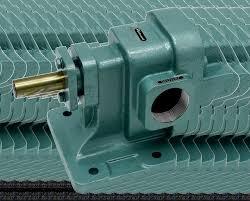
Cast Iron (CI) rotary gear pumps play a vital role in fuel transfer applications across industries such as power generation, oil & gas, manufacturing, and transportation. Known for their durability, efficiency, and ability to handle viscous fluids, these pumps are widely used for transferring fuels like diesel, furnace oil, lubricating oil, and biofuels.
Understanding CI Rotary Gear Pumps
A CI rotary gear pump is a type of positive displacement pump that uses intermeshing gears to move fluid from the inlet to the outlet. As the gears rotate, they trap a fixed volume of fuel between the gear teeth and pump casing, ensuring a steady and continuous flow.
Unlike centrifugal pumps, which rely on velocity, rotary gear pumps deliver a constant flow regardless of pressure variations. This makes them highly suitable for fuel transfer systems where consistency and accuracy are essential.
Importance in Fuel Transfer Systems
Fuel transfer requires precision, safety, and reliability—qualities that CI rotary gear pumps are specifically designed to deliver. Their robust cast iron construction provides excellent mechanical strength, making them ideal for handling petroleum-based fuels and harsh operating environments.
One of their key roles is in bulk fuel transfer, where large volumes of fuel must be moved efficiently between storage tanks, tankers, or processing units. The positive displacement mechanism ensures that fuel is transferred at a consistent rate, minimizing wastage and improving operational efficiency.
Key Advantages in Fuel Applications
1. Consistent Flow Rate
CI rotary gear pumps provide a uniform flow independent of system pressure. This is crucial in fuel dispensing and injection systems, where accurate delivery is required.
2. High Efficiency with Viscous Fuels
Fuels like heavy oil and furnace oil have higher viscosity. Gear pumps perform exceptionally well in such conditions because the fluid itself helps seal internal clearances, improving efficiency.
3. Self-Priming Capability
These pumps can handle air and start pumping without pre-filling, making them suitable for fuel transfer from underground or remote storage tanks.
4. Durability and Strength
Cast iron construction offers excellent wear resistance and long service life, even under continuous operation and high-pressure conditions.
5. Reversible Operation
CI rotary gear pumps can operate in both directions, allowing flexible fuel transfer between tanks without requiring additional equipment.
Applications in Fuel Transfer
CI rotary gear pumps are extensively used in:
- Diesel transfer systems in industrial plants
- Fuel oil circulation in boilers and burners
- Loading and unloading fuel from tankers
- Lubrication systems in machinery
- Biofuel and alternative fuel handling
Their ability to handle clean as well as moderately contaminated fuels makes them versatile for multiple applications.
Why Choose CI Over Other Materials?
While stainless steel pumps are preferred for corrosive or food-grade fluids, CI pumps are more cost-effective and suitable for non-corrosive fuels. They offer excellent performance for petroleum products and provide a strong balance between durability and affordability.
Conclusion
CI rotary gear pumps are indispensable in modern fuel transfer systems due to their reliability, efficiency, and robust construction. Their ability to deliver consistent flow, handle viscous fuels, and operate under demanding conditions makes them a preferred choice across industries. By ensuring smooth and accurate fuel movement, these pumps contribute significantly to operational efficiency and safety in fuel handling processes.