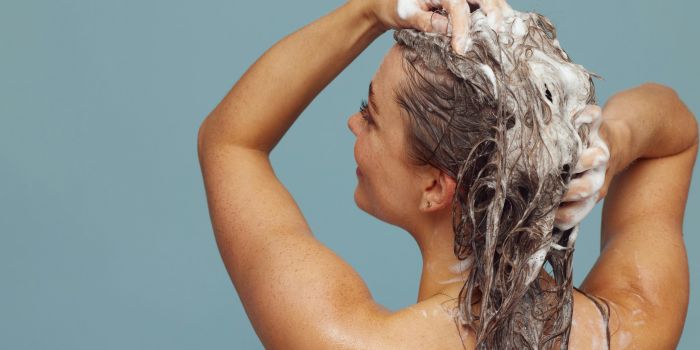
For many women, stepping into the shower is a relaxing daily ritual—until strands of hair begin collecting on the walls, in the drain, or in your hands. Suddenly, that peaceful moment becomes a source of anxiety. While some hair shedding in the shower is completely normal, excessive shower hair loss can leave you wondering what’s really going on beneath the surface. Women experience unique hormonal, nutritional, and lifestyle influences that can significantly impact hair health, often in ways that go unnoticed.
This guide explains the hidden causes of shower hair loss in women, how to tell what’s normal, and when it might be time to take action.
How Much Shower Hair Loss Is Normal?
Before diving into hidden causes, it’s important to understand baseline shedding.
Most women shed 50–100 hairs per day. But you may see more in the shower because:
-
Wet strands clump together, making hair loss look worse
-
Shampooing and conditioning dislodge naturally shed hairs
-
Long or dense hair creates the illusion of heavier shedding
-
Washing infrequently means multiple days’ worth of shed hairs fall out at once
A normal amount of shower shedding varies from woman to woman. What matters most is change. If you suddenly notice significantly more hair loss than your usual pattern, it’s worth exploring why.
Hidden Causes of Shower Hair Loss in Women
While some causes of hair loss are obvious, women often overlook less apparent triggers. Below are the hidden factors that experts say play a significant role.
1. Hormonal Shifts and Imbalances
Women’s hormones are constantly in flux—and hair follicles are highly sensitive to those changes.
Postpartum Hormone Drop
Three to six months after giving birth, many women experience a sudden wave of shedding called postpartum telogen effluvium. This is temporary but can cause dramatic shower hair loss.
Birth Control Changes
Starting, stopping, or switching hormonal contraceptives can abruptly shift hormone levels, triggering excess shedding.
Perimenopause and Menopause
Declining estrogen and progesterone can weaken follicles, change hair texture, and increase shedding in the shower.
Thyroid Imbalances
Both hyperthyroidism and hypothyroidism can cause prolonged, diffuse shedding.
Because hormonal causes often progress gradually, women may not link increased shower hair loss to internal shifts.
2. Iron and Ferritin Deficiency
Iron deficiency—especially low ferritin (stored iron)—is one of the leading hidden causes of hair loss in women of all ages.
Even women who don’t have anemia can have ferritin levels too low to support normal hair growth. Heavy periods, pregnancy, vegetarian or vegan diets, and undereating all contribute to iron depletion.
Low ferritin pushes more hairs into the shedding phase, making shower hair loss more noticeable.
3. Stress You Don’t Realize You’re Carrying
Many women assume “stress” means emotional breakdowns or major events, but hair follicles respond to any form of physical or emotional strain:
-
Illness
-
Surgery
-
Intense exercise
-
Dieting
-
Lack of sleep
-
Emotional stress
-
Chronic anxiety
These stressors can trigger telogen effluvium, causing increased hair fall about 2–3 months later—making it easy to miss the connection.
4. Invisible Nutrient Gaps
Even women who eat well may still lack key nutrients required for hair growth. Hidden deficiencies include:
-
Vitamin D – common even in sunny climates
-
Zinc – crucial for repair and hair growth
-
Protein – low-protein diets can weaken strands
-
Biotin and B vitamins – needed for strong hair structure
-
Healthy fats – important for scalp and follicle function
Women who diet frequently, avoid carbs, or skip meals are especially at risk.
5. Subtle Hair Damage
One of the most overlooked causes of shower hair loss in women is breakage, not true shedding. Damaged hair snaps off mid-shaft, and wet hair is even more fragile.
Breakage can result from:
-
Heat styling (blow drying, flat ironing, curling tools)
-
Bleaching or frequent coloring
-
Perming or chemical straightening
-
Tight ponytails, buns, or braids
-
Over-brushing
-
Using elastics without fabric coating
-
Sleeping on cotton pillowcases
When breakage is the issue, hair may appear to “fall out” in the shower—but the strands often lack the white bulb at the root.
6. Scalp Conditions You Can’t See Easily
Scalp health plays a huge role in hair retention. Women may experience subtle inflammation that goes unnoticed but still affects follicles.
Common hidden scalp issues include:
-
Seborrheic dermatitis (oily, flaky scalp)
-
Fungal overgrowth
-
Build-up from products, dry shampoo, or oils
-
Allergic reactions to shampoos or dyes
-
Psoriasis patches hidden under hair
A compromised scalp environment can lead to increased shower hair loss—even if there are no obvious symptoms.
7. Medications That Cause Shedding
Several common medications taken by women can lead to increased hair fall. These include:
-
Antidepressants
-
Blood pressure medications
-
Mood stabilizers
-
Acne medications
-
Anti-anxiety medications
-
Hormonal treatments
-
Some weight-loss drugs
Medication-related shedding often appears 6–12 weeks after beginning a new prescription.
8. Genetics Playing a Silent Role
Female pattern hair loss tends to be gradual and subtle. Women may first notice:
-
A wider part
-
A shrinking ponytail
-
More hair shedding when showering
Because thinning progresses slowly, women may chalk it up to stress or aging when genetics are actually at play.
How to Reduce Shower Hair Loss
While not all shedding can be prevented, women can take several steps to minimize hair fall:
Be gentle in the shower
-
Use lukewarm water
-
Massage shampoo with fingertips, not nails
-
Detangle hair with a wide-tooth comb while conditioned
Improve scalp health
-
Use clarifying shampoo once or twice monthly
-
Avoid heavy product buildup
-
Treat dandruff or irritation early
Protect hair from breakage
-
Limit heat styling
-
Use heat protectant sprays
-
Sleep on a silk pillowcase
-
Wear loose hairstyles
-
Avoid brushing wet hair aggressively
Support hair from the inside
-
Eat enough protein (especially if vegetarian or vegan)
-
Supplement if low in iron, vitamin D, or other nutrients (under medical guidance)
-
Stay hydrated
Manage stress
Even small improvements in sleep, movement, and emotional care can reduce stress-related shedding.
When Women Should See a Specialist
Consider reaching out to a dermatologist if:
-
Shower shedding is severe for more than 8–12 weeks
-
You notice bald patches or a widening part
-
Your scalp burns, itches, or flakes heavily
-
You recently gave birth and shedding hasn’t improved
-
You suspect nutritional deficiencies
-
Your hair loss coincides with medication changes
Early evaluation can identify treatable issues before thinning progresses.
Final Thoughts
Shower hair loss in women can be frustrating, surprising, and sometimes frightening—but it’s often connected to hidden, correctable causes. Hormones, stress, deficiencies, scalp health, and even subtle daily habits can all influence shedding. The key is understanding what’s normal for you and paying attention to sudden changes.
With the right knowledge and proactive care, most women can significantly reduce shower hair loss and restore confidence in the health of their hair.