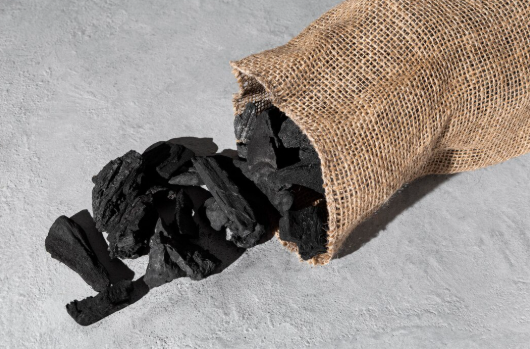
Smokeless coal has become increasingly popular in households across the globe due to its efficiency, cleaner burn, and reduced emissions compared to traditional coal. It is especially favored in areas where air quality regulations restrict smoky fuels, as smokeless coal produces less smoke, soot, and harmful pollutants. However, like any fuel source, it comes with safety considerations that every household should be aware of. Understanding and following proper safety measures ensures that your home remains warm, comfortable, and hazard-free.
In this article, we will explore essential smokeless coal safety tips every household should know, from storage and handling to proper usage and ventilation. By following these guidelines, you can enjoy the benefits of smokeless coal without compromising your family’s safety.
1. Understanding Smokeless Coal
Smokeless coal is a type of processed fuel designed to burn cleaner than traditional coal. Unlike standard coal, which can produce thick smoke and leave residue, smokeless coal generates minimal smoke and ash. It is often composed of compressed anthracite, coal dust, or other processed carbon materials.
Benefits of Smokeless Coal
-
Reduced smoke emission: Helps maintain cleaner indoor air.
-
Lower ash production: Less frequent cleaning of stoves or fireplaces.
-
Efficient heat output: Burns longer and produces consistent heat.
-
Environmentally friendly: Minimizes harmful emissions contributing to air pollution.
While smokeless coal offers these advantages, it is still combustible. Improper use can lead to fire hazards, carbon monoxide buildup, or damage to your home. This makes understanding safety practices crucial.
2. Safe Storage of Smokeless Coal
Proper storage of smokeless coal is the first step in household safety. Storing coal safely reduces fire risks and keeps the fuel dry for efficient burning.
Tips for Safe Storage:
-
Keep coal in a dry area: Moisture can cause coal to become difficult to ignite and can reduce its efficiency.
-
Use a dedicated container: Store coal in metal bins or sealed containers to prevent accidental spillage.
-
Maintain distance from heat sources: Avoid storing coal near open flames, heaters, or electrical appliances.
-
Ventilated storage: Ensure the storage area has good airflow to prevent gas buildup or dampness.
By storing smokeless coal properly, you not only maintain its burning efficiency but also prevent unnecessary fire hazards.
3. Handling Smokeless Coal Safely
Handling smokeless coal might seem straightforward, but careless handling can cause burns or injuries. Always follow these practices when dealing with coal:
Handling Tips:
-
Wear protective gloves: Prevents cuts, burns, and dirt from contacting your skin.
-
Use proper tools: Shovels or tongs are safer than bare hands.
-
Avoid overloading stoves: Adding too much coal at once can cause sudden flare-ups.
-
Keep children and pets away: Coal should be handled only by responsible adults.
Using these precautions minimizes the risk of accidents and ensures a smoother coal-burning experience.
4. Proper Ventilation is Key
One of the most critical aspects of smokeless coal safety is ensuring adequate ventilation in the home. While smokeless coal produces less smoke than traditional coal, it still emits gases such as carbon monoxide (CO), which is colorless, odorless, and potentially lethal.
Ventilation Tips:
-
Install carbon monoxide detectors: Place them near sleeping areas for maximum safety.
-
Use well-ventilated rooms: Always burn coal in rooms with chimneys, flues, or extractor fans.
-
Keep vents and chimneys clean: Blocked ventilation can cause gas accumulation.
-
Avoid prolonged burning in closed spaces: Even smokeless coal needs fresh air circulation.
By prioritizing ventilation, households significantly reduce the risk of CO poisoning and maintain a safer indoor environment.
5. Lighting Smokeless Coal Safely
Lighting smokeless coal correctly is essential to prevent accidents and ensure efficient burning.
Safe Lighting Techniques:
-
Use recommended firelighters: Avoid petrol, kerosene, or other flammable liquids.
-
Ignite gradually: Start with a small amount and let it burn steadily before adding more coal.
-
Never leave unattended: Keep an eye on the coal until it has ignited fully.
-
Keep a fire extinguisher nearby: It’s always better to be prepared for emergencies.
Proper lighting not only increases fuel efficiency but also reduces the risk of flare-ups and accidental fires.
6. Safe Burning Practices
Even after lighting, smokeless coal safety depends on careful burning practices. Following these tips ensures safe and effective heat production.
Burning Safety Tips:
-
Do not overfill the stove or fireplace: Overloading can cause excessive heat and damage appliances.
-
Use a fireguard: Protects against sparks or hot embers that may escape.
-
Avoid leaving the fire unattended: Especially when children or pets are present.
-
Monitor ash buildup: Excess ash can reduce airflow and efficiency.
Regular attention while burning helps prevent accidents and prolongs the life of your stove or fireplace.
7. Fire Safety Precautions
Even with smokeless coal, fire safety should never be neglected. Homes should be prepared to handle unexpected emergencies.
Fire Safety Measures:
-
Keep a fire extinguisher accessible: Suitable for solid fuel fires.
-
Install smoke alarms: Test them regularly to ensure they function correctly.
-
Have an emergency plan: All family members should know evacuation routes.
-
Store combustible materials away: Paper, curtains, and furniture should be kept clear of coal stoves.
A proactive approach to fire safety minimizes damage and ensures that your family is prepared in case of emergencies.
8. Cleaning and Maintenance
Regular cleaning and maintenance of your coal-burning appliances contribute to both safety and efficiency.
Cleaning Tips:
-
Remove ash regularly: Excess ash restricts airflow and can cause overheating.
-
Check stove or fireplace seals: Damaged seals can allow smoke or gases to escape.
-
Clean chimneys annually: Soot or creosote buildup can become a fire hazard.
-
Inspect for damage: Look for cracks or corrosion in stoves and flues.
Consistent maintenance ensures that your home remains safe while maximizing the benefits of smokeless coal.
9. Recognizing Hazards
Being aware of potential hazards allows homeowners to act quickly and prevent accidents.
Warning Signs:
-
Unusual odors: Foul smells may indicate gas leaks or incomplete combustion.
-
Excess smoke or soot: Could signal blockages or improper burning.
-
Dizziness or headaches: Early signs of carbon monoxide exposure.
-
Flare-ups: Indicate overloading or poor ventilation.
Recognizing these warning signs early can prevent serious accidents or health risks.
10. Educating Your Household
A safe coal-burning household depends on the knowledge and awareness of all members.
Education Tips:
-
Teach children about coal hazards: Ensure they know not to touch or play near the stove.
-
Train household members on emergency protocols: Everyone should know how to respond to fire or CO alarms.
-
Share safe handling techniques: Encourage careful use and monitoring.
Education creates a culture of safety and ensures that everyone in the home contributes to a hazard-free environment.
11. Choosing Quality Smokeless Coal
The quality of the coal you use affects both efficiency and safety. Low-quality or counterfeit smokeless coal may burn unpredictably or emit more harmful gases.
Selection Tips:
-
Purchase from reputable suppliers: Ensure authenticity and consistent quality.
-
Check for certifications: Look for safety or environmental standards.
-
Avoid wet or damp coal: Reduces ignition efficiency and can create dangerous flare-ups.
Choosing high-quality smokeless coal enhances safety and improves overall performance.
12. Emergency Preparedness
No matter how careful you are, emergencies can happen. Being prepared ensures a quick, effective response.
Emergency Preparedness Tips:
-
Keep a first aid kit nearby: For minor burns or injuries.
-
Know emergency contact numbers: Fire department, gas company, or local authorities.
-
Have a safe exit route: Ensure everyone knows the quickest way out in case of fire.
-
Keep a bucket of sand or fire blanket: Useful for smothering small fires safely.
Preparedness reduces panic and increases the likelihood of minimizing damage or injury.
Conclusion
Smokeless coal is a convenient and environmentally friendly fuel option for households, offering warmth with minimal smoke and ash. However, safety must always remain a top priority. By following these smokeless coal safety tips, including proper storage, careful handling, adequate ventilation, regular maintenance, and emergency preparedness, households can enjoy the benefits of this fuel without compromising their well-being.
Safety is not just about following rules; it’s about creating a responsible environment where everyone in the household understands the risks and takes proactive measures. With the right practices in place, smokeless coal can be a safe, efficient, and eco-friendly solution for keeping your home warm and comfortable.