Online education has transformed how students learn and institutions assess knowledge. Maintaining exam security in digital environments requires advanced monitoring technology. Software secure remote proctor solutions provide the supervision needed to ensure fair, credible online assessments from any location.
What Is Software Secure Remote Proctor?
Software secure remote proctor refers to digital monitoring systems that supervise students during online examinations using their personal devices. These applications utilize webcams, microphones, and screen-recording technology to create supervised testing environments without requiring physical proctor presence. The software captures the entire exam session and employs artificial intelligence to identify suspicious behaviors like unusual eye movements, multiple voices in the room, or attempts to access forbidden materials.
Modern proctoring platforms have evolved significantly beyond simple video monitoring. They now include identity verification through facial recognition and government-issued ID validation before exams begin. Browser lockdown features prevent students from opening new tabs, applications, or websites during testing. Advanced systems analyze behavioral patterns including typing rhythm, mouse movements, and gaze direction to flag potential cheating. The ultimate goal involves replicating the oversight of traditional testing centers while providing the flexibility and convenience that remote learners need today.
Why Software Secure Remote Proctor Systems Are Critical Now?
Software secure remote proctor technology provides multiple security layers that discourage and detect academic dishonesty effectively. The visible presence of monitoring deters most students from attempting to cheat in the first place. Recorded sessions create evidence that can be reviewed if questions arise about specific incidents. Institutions save substantial money by eliminating physical testing center costs including facility rental, staffing, and materials. The scalability allows schools to administer exams to unlimited students simultaneously across different time zones and geographic locations. This flexibility proved invaluable during recent global disruptions that forced rapid transitions to remote education. Employers gain confidence knowing candidates earned qualifications through properly monitored, legitimate assessments.
How Does Software Secure Remote Proctor Technology Function?
Understanding the technical workflow helps administrators implement systems properly and students prepare adequately for proctored exams. The process involves several stages from initial setup through final exam completion and review.
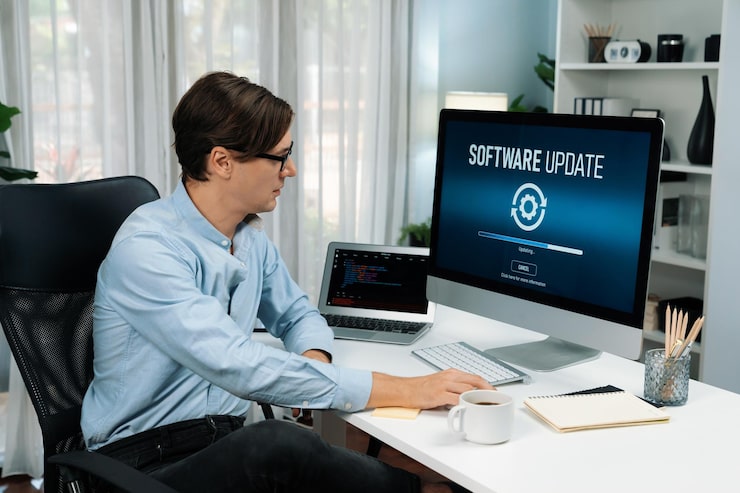
The journey begins with software installation and system compatibility checks before exam day. Students download the proctoring application and complete test runs to verify webcam, microphone, and internet connectivity meet requirements. On examination day, students log into the platform and complete identity verification procedures. This typically involves displaying government-issued identification to the camera and completing facial recognition matching against registered photos. The software then scans the testing environment, sometimes requiring 360-degree room views to ensure no unauthorized materials or people are present. Once the exam launches, the system monitors multiple data streams simultaneously including video, audio, and screen activity. AI algorithms analyze this information in real-time, automatically flagging suspicious behaviors for human proctor review. The complete session gets encrypted and stored securely for future reference if disputes or questions arise later.
What Benefits Do Students Receive From Remote Proctoring?
Students often view proctoring as invasive, but legitimate systems provide advantages that protect honest test-takers and ensure fair competition. Understanding these benefits helps reduce anxiety about the monitoring process.
Software secure remote proctor systems create level playing fields where all students face identical monitoring standards. This eliminates advantages that might come from unsupervised testing environments where cheating occurs. The flexibility to test from home reduces stress associated with traveling to unfamiliar testing centers. Students can schedule exams around personal commitments rather than fitting into rigid institutional timelines. The comfort of familiar environments often improves performance compared to high-pressure testing centers. Many systems provide immediate score reporting, helping students understand results faster than traditional paper exams. The technology also creates records that protect students from false accusations—recorded sessions prove what actually occurred during testing. For students with disabilities, remote proctoring can provide accommodations more easily than physical centers.
How to Implement Software Secure Remote Proctor Successfully?
Successful implementation requires careful planning, communication, and technical preparation from both institutions and students. Rushed deployments often create frustration and technical problems that undermine the entire system.
Start by selecting a platform that integrates smoothly with your existing learning management system. Compatibility reduces technical problems and simplifies the user experience for both administrators and students. Provide comprehensive training sessions for faculty members who will monitor exams and interpret flagged incidents. Create clear documentation explaining student expectations, allowed materials, and prohibited behaviors. Conduct practice exams before actual testing dates so students become comfortable with the software interface. Establish technical support channels for students experiencing problems during exams. Communicate privacy policies transparently so students understand what data gets collected and how it’s used. Consider offering alternative testing arrangements for students with legitimate concerns about video monitoring. Test the system thoroughly with small groups before institution-wide deployment. Gather feedback after initial exams and adjust policies or procedures based on real user experiences.
What Challenges Should Institutions Anticipate?
No technology is perfect, and remote proctoring comes with legitimate concerns that institutions must address proactively. Acknowledging these challenges helps create better implementation strategies and student experiences.
Privacy concerns represent the biggest obstacle to student acceptance of remote proctoring systems. Students worry about being recorded in their homes and personal data collection. Institutions must create clear data retention and deletion policies that address these concerns directly. Technical issues inevitably occur including internet connectivity problems, software incompatibilities, and hardware failures. Having backup plans and technical support ready prevents these issues from becoming exam-day disasters. Some students lack access to required technology including reliable internet, webcams, or quiet testing spaces. Institutions should provide resources or alternatives for disadvantaged students. False positives from AI monitoring can create unnecessary stress and administrative burden. Human review of flagged incidents ensures fair treatment. Cultural differences may affect how monitoring is perceived across international student populations. Training and clear communication help overcome these barriers successfully.
Conclusion
Software secure remote proctor technology has fundamentally transformed online education by providing credible, scalable exam security solutions. As digital learning continues expanding globally, these systems ensure that online credentials maintain their value and legitimacy. The balance between security, privacy, and convenience requires careful implementation but delivers substantial benefits for institutions and students alike.