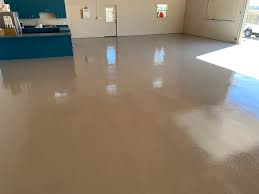
Solid color epoxy floor systems have become one of the most popular flooring options for residential, commercial, and industrial spaces. Known for their durability, seamless finish, and modern appearance, these floors provide both functionality and aesthetic appeal. Whether installed in garages, warehouses, showrooms, kitchens, or retail spaces, a solid color epoxy floor offers long-lasting performance with minimal maintenance.
In this article, we will explore what a solid color epoxy floor is, its benefits, applications, installation process, and why it has become a preferred flooring solution.
What Is a Solid Color Epoxy Floor?
A solid color epoxy floor is a flooring system created by applying multiple layers of epoxy resin mixed with hardeners onto a concrete surface. The result is a smooth, seamless, and highly durable coating that covers the entire floor with a consistent color.
Unlike decorative epoxy systems that include flakes or metallic pigments, solid color epoxy floors provide a uniform and clean look. They are available in a wide range of colors, making them ideal for environments where a sleek and professional appearance is important.
These floors are commonly used in garages, hospitals, laboratories, schools, warehouses, and commercial buildings because they offer excellent resistance to wear, chemicals, and heavy traffic.
Benefits of Solid Color Epoxy Floors
Exceptional Durability
One of the biggest advantages of a solid color epoxy floor is its outstanding durability. Epoxy coatings create a strong bond with the concrete substrate, forming a hard and resilient surface. This makes them resistant to heavy loads, machinery, and constant foot traffic.
In industrial environments, epoxy flooring can withstand forklifts, equipment movement, and chemical exposure without cracking or deteriorating.
Seamless and Hygienic Surface
Solid color epoxy floors create a completely seamless surface. Unlike tile or wood flooring, there are no grout lines or joints where dirt, bacteria, or moisture can accumulate.
This makes epoxy flooring an excellent option for hospitals, food preparation areas, laboratories, and cleanrooms where hygiene is essential.
Easy Maintenance
Maintenance is another reason why solid color epoxy floors are widely used. The smooth, non-porous surface prevents dust, dirt, and spills from penetrating the floor.
Routine cleaning typically requires only sweeping and occasional mopping with mild cleaning solutions. Because of this, businesses save both time and maintenance costs.
Chemical and Stain Resistance
Epoxy coatings offer strong resistance to chemicals, oils, solvents, and cleaning agents. This makes solid color epoxy floors particularly useful in automotive garages, manufacturing facilities, and laboratories where spills are common.
Even when exposed to harsh chemicals, the floor maintains its strength and appearance.
Modern and Professional Appearance
Solid color epoxy floors provide a sleek, glossy, and professional look that enhances the overall appearance of any space. The uniform color creates a clean and modern environment, which is ideal for showrooms, offices, and commercial spaces.
Additionally, epoxy coatings can be customized with different colors to match branding, safety zones, or design preferences.
Common Applications of Solid Color Epoxy Floors
Because of their versatility, solid color epoxy floors are used in a wide variety of environments.
Residential Garages
Many homeowners choose epoxy flooring for garages because it protects the concrete from oil stains, tire marks, and moisture. It also gives the garage a polished and organized appearance.
Commercial Spaces
Retail stores, showrooms, and office buildings often install solid color epoxy floors because they provide durability while maintaining a professional aesthetic.
Industrial Facilities
Warehouses, factories, and manufacturing plants rely on epoxy flooring for its ability to withstand heavy equipment, chemical spills, and high traffic.
Healthcare and Laboratories
Hospitals and laboratories require hygienic flooring solutions. The seamless nature of solid color epoxy floors prevents contamination and simplifies cleaning.
Educational Institutions
Schools, universities, and training centers use epoxy flooring in hallways, labs, and classrooms due to its durability and low maintenance requirements.
The Installation Process
Installing a solid color epoxy floor involves several important steps to ensure a long-lasting and high-quality finish.
Surface Preparation
The first and most critical step is preparing the concrete surface. Contractors clean the floor thoroughly and remove any dust, oil, or contaminants. Grinding or shot blasting is usually performed to create the proper surface profile for epoxy adhesion.
Crack and Damage Repair
Any cracks, holes, or uneven areas in the concrete must be repaired before applying the epoxy coating. This ensures a smooth and even surface.
Primer Application
A primer layer is applied to improve adhesion between the concrete and the epoxy coating. The primer also helps seal the concrete and prevent air bubbles.
Epoxy Coating Application
The solid color epoxy mixture is then applied evenly across the floor using rollers or squeegees. Depending on the system, multiple coats may be applied to achieve the desired thickness and durability.
Topcoat Protection
Finally, a protective topcoat may be applied to enhance durability, UV resistance, and gloss. This layer protects the epoxy from scratches and wear.
Once the installation is complete, the floor usually requires 24–72 hours to cure before normal use.
Why Choose a Solid Color Epoxy Floor?
There are several reasons why property owners and facility managers choose solid color epoxy flooring over traditional options like tile, vinyl, or concrete.
First, epoxy floors are significantly more durable and resistant to damage. Second, they offer a seamless design that improves cleanliness and hygiene. Third, they provide a modern and attractive appearance that enhances the value of the space.
Additionally, epoxy flooring systems are cost-effective because they last for many years with minimal maintenance or repairs.
Maintenance Tips for Epoxy Floors
Although solid color epoxy floors are low maintenance, proper care will extend their lifespan.
Regular sweeping removes dust and debris that could scratch the surface. Mopping with a gentle cleaner helps maintain the floor’s shine. In industrial environments, placing protective pads under heavy equipment can prevent unnecessary wear.
Avoid using harsh abrasive tools or strong acids that could damage the protective coating.
With proper maintenance, epoxy floors can last 10–20 years or even longer.
Final Thoughts
A solid color epoxy floor is an excellent investment for anyone looking for a durable, attractive, and low-maintenance flooring solution. Its seamless finish, resistance to chemicals and heavy traffic, and modern appearance make it ideal for a wide range of applications.
From residential garages to large industrial facilities, solid color epoxy flooring continues to grow in popularity because it combines functionality with style. When installed by experienced professionals and properly maintained, these floors can provide reliable performance for many years while enhancing the overall look of the space.