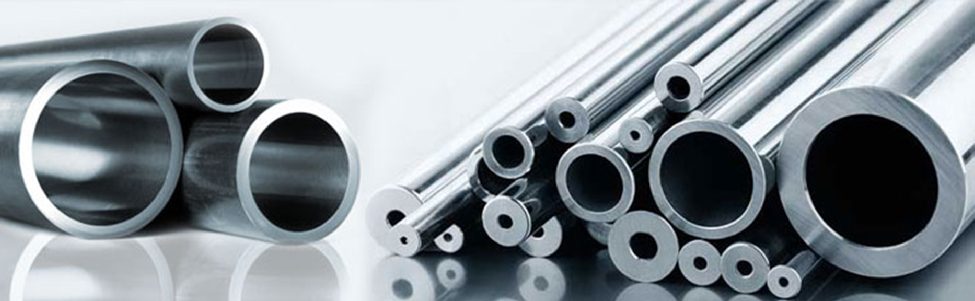
Stainless steel pipes are one of the most widely used piping solutions in modern industries. Known for their strength, corrosion resistance, and durability, they are essential in sectors such as oil and gas, chemical processing, construction, marine, food processing, and power generation. Available in various grades and sizes, stainless steel pipes are designed to meet diverse operational requirements, including high pressure, extreme temperatures, and corrosive environments.
Understanding the different grades, sizes, and applications helps engineers and buyers select the right pipe for long-term performance and reliability.
What Is a Stainless Steel Pipe?
A stainless steel pipe is a hollow cylindrical section manufactured from stainless steel alloys containing chromium, which provides corrosion resistance. Depending on the manufacturing method, pipes are classified as:
-
Seamless Pipes – Manufactured without a weld seam, offering higher strength and pressure resistance.
-
Welded Pipes – Produced by rolling steel sheets and welding the seam, typically more cost-effective.
Both types are widely used depending on project requirements.
Common Grades of Stainless Steel Pipes
Stainless steel pipes are available in different grades, each offering specific properties suited for various applications.
1. Stainless Steel 304 Pipes
Grade 304 is the most commonly used stainless steel due to its excellent corrosion resistance and good formability. It contains approximately 18% chromium and 8% nickel.
Applications:
-
Food processing equipment
-
Water pipelines
-
Architectural structures
-
General industrial piping
2. Stainless Steel 316 Pipes
Grade 316 contains molybdenum, which enhances corrosion resistance, especially against chlorides and marine environments.
Applications:
-
Marine equipment
-
Chemical processing plants
-
Pharmaceutical industries
-
Coastal construction projects
3. Stainless Steel 321 Pipes
Stabilized with titanium, Grade 321 offers better resistance to high-temperature oxidation.
Applications:
-
Heat exchangers
-
Boiler components
-
High-temperature exhaust systems
4. Stainless Steel 347 Pipes
Stabilized with niobium, Grade 347 is suitable for high-temperature service and prevents carbide precipitation during welding.
Applications:
-
Power plants
-
Refineries
-
High-pressure piping systems
Sizes and Dimensions
Stainless steel pipes are available in a wide range of sizes to meet various industrial needs.
Diameter
-
Small bore pipes: 1/8” to 2”
-
Medium size pipes: 2” to 12”
-
Large diameter pipes: Above 12”
Wall Thickness
Wall thickness is defined by schedules such as:
-
SCH 10
-
SCH 40
-
SCH 80
-
SCH 160
Higher schedule numbers indicate thicker walls and higher pressure-handling capacity.
Length
Standard pipe lengths typically include:
-
Single random length
-
Double random length
-
Custom cut lengths
Selecting the right size and thickness is crucial for pressure ratings and structural integrity.
Industrial Applications of Stainless Steel Pipes
Stainless steel pipes are used across a wide range of industries due to their versatility and performance.
1. Oil and Gas Industry
Used in offshore and onshore drilling operations, refineries, and gas processing plants. Their corrosion resistance ensures durability in harsh environments.
2. Chemical and Petrochemical Plants
Resistant to aggressive chemicals and acids, stainless steel pipes are ideal for transporting corrosive fluids.
3. Food and Beverage Industry
The hygienic and non-reactive properties of stainless steel make it suitable for processing and transporting food-grade materials.
4. Power Generation
Used in boilers, heat exchangers, and high-pressure steam systems due to their ability to withstand high temperatures.
5. Construction and Infrastructure
Applied in structural frameworks, water supply systems, and architectural designs for both strength and aesthetic appeal.
Advantages of Stainless Steel Pipes
-
Excellent corrosion resistance
-
High strength-to-weight ratio
-
Long service life
-
Low maintenance requirements
-
Recyclable and environmentally friendly
-
Suitable for extreme temperatures and pressures
These benefits make stainless steel pipes a reliable solution for demanding industrial environments.
Choosing the Right Stainless Steel Pipe
When selecting a pipe, consider:
-
Operating temperature and pressure
-
Type of fluid being transported
-
Environmental exposure
-
Required corrosion resistance
-
Budget and project specifications
Working with a trusted stainless steel pipe supplier ensures quality compliance, accurate dimensions, and material certification according to international standards.
Conclusion
Stainless steel pipes are an essential component in modern industrial systems due to their strength, durability, and corrosion resistance. Available in various grades such as 304, 316, 321, and 347, and manufactured in multiple sizes and schedules, they provide flexible solutions for diverse applications. From oil refineries to food processing plants, stainless steel pipes continue to play a critical role in ensuring efficiency, safety, and long-term performance.


