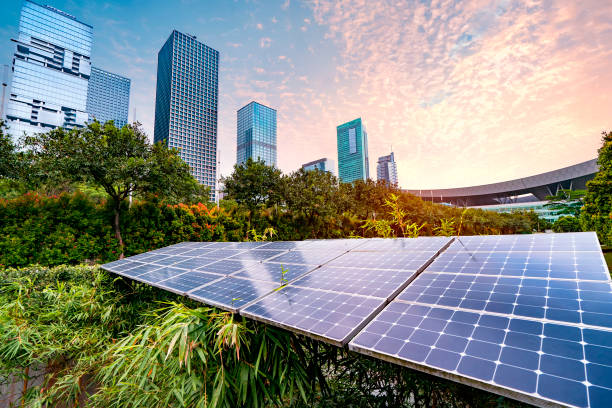
Modern eco-friendly buildings equipped with solar panels showcasing energy-efficient and sustainable construction methods.
Sustainable construction practices are transforming the way modern buildings are planned, designed, and executed. Increasing environmental concerns, rising energy costs, and stricter building regulations are pushing developers and contractors toward eco-conscious methods that reduce environmental impact, improve energy efficiency, and enhance occupant comfort. By focusing on long-term efficiency, resource management, and resilient infrastructure, these practices help create buildings that are durable, cost-effective, and future-ready, while also supporting a healthier environment for communities.
1. Prioritize Environmentally Responsible Materials
One of the most effective ways to build sustainably is by using environmentally responsible materials. Recycled steel, reclaimed timber, low-emission paints, and alternative concrete solutions significantly reduce carbon emissions and preserve natural resources. Using locally sourced materials not only minimizes transportation-related pollution but also supports regional suppliers and economies. Beyond environmental benefits, these materials improve thermal performance, structural strength, and durability, resulting in buildings that require less maintenance and provide better long-term performance. Implementing these practices is a key aspect of sustainable construction practices, helping ensure that every component of the building contributes to environmental responsibility.
2. Integrate Energy-Efficient Designs and Technologies
Energy efficiency is a cornerstone of eco-conscious construction. Thoughtful building orientation, high-quality insulation, and natural ventilation reduce the energy required for heating and cooling. Modern projects increasingly incorporate renewable energy systems such as solar panels, energy-efficient lighting, smart HVAC systems, and automated building controls. These innovations help reduce reliance on non-renewable energy sources, lower operational costs, and contribute to a smaller carbon footprint. By integrating these technologies from the design phase, developers can ensure long-term energy savings while meeting regulatory standards.
3. Implement Comprehensive Water Conservation Strategies
Water conservation is another critical aspect of sustainable building practices. Techniques like rainwater harvesting, low-flow plumbing fixtures, and greywater recycling significantly reduce water consumption without compromising usability. Additionally, thoughtful landscaping with native plants, permeable surfaces, and well-planned drainage systems prevents soil erosion and protects local ecosystems. Urban areas, where water scarcity is increasingly a challenge, particularly benefit from these strategies. Water-efficient buildings not only reduce utility costs for occupants but also contribute to broader sustainability goals at a community level.
4. Plan and Execute Construction Responsibly
Responsible planning and execution are essential to achieving sustainability goals. Waste management, accurate material estimation, and environmentally sensitive site practices reduce the ecological impact of construction. Professional firms now embed sustainability in their civil, structural, and groundworks services to meet modern standards. Companies such as STR DRA demonstrate how high-quality execution can be combined with sustainable construction practices to deliver durable, eco-friendly buildings. Additionally, training workers in sustainability protocols ensures that environmentally conscious methods are applied consistently throughout the construction process.
5. Enhance Indoor Environmental Quality
Buildings designed with indoor environmental quality in mind improve health, productivity, and overall well-being. Natural lighting, proper ventilation, and non-toxic building materials enhance air quality and thermal comfort. Such design choices reduce dependence on artificial lighting and energy-intensive HVAC systems, contributing to lower energy usage and improved occupant satisfaction. By prioritizing indoor quality, developers create spaces that are healthier for residents and workers, reinforcing the benefits of sustainable construction.
6. Increase Long-Term Property Value
Sustainable construction practices not only benefit the environment but also enhance property value. Eco-conscious buildings typically have lower operational costs, improved energy efficiency, and better marketability. Buyers, tenants, and investors increasingly prefer buildings that meet environmental standards, reflecting a shift in real estate trends. Similar patterns can be observed in areas where sustainable development is shaping investor decisions, as highlighted in this analysis of why real estate promoters in Goa are attracting smart investors. Incorporating sustainability into projects can therefore provide both environmental and economic returns over time.
7. Embrace Innovation and Continuous Improvement
The construction industry continues to evolve with new materials, technologi
es, and design methodologies. Developers who adopt innovative sustainable solutions, such as modular construction, smart energy management systems, and high-performance building materials, create structures that are environmentally responsible, cost-effective, and resilient. Continuous innovation ensures that buildings not only meet current sustainability standards but are prepared for future environmental challenges, helping communities adapt to changing climates and resource demands.
Sustainable construction practices are no longer optional—they are a necessity for building a greener, more efficient, and long-lasting future. By combining eco-friendly materials, energy-efficient technologies, water conservation measures, responsible planning, and innovative designs, developers can construct buildings that meet modern expectations while protecting natural resources. Over time, these approaches foster healthier living and working environments, reduce environmental strain, and provide long-term value for investors, occupants, and communities alike.