Alternatives to CPAP
Sleep apnea can quietly disrupt your nights and drain your energy during the day. Many people diagnosed with this condition are prescribed CPAP therapy, but adjusting to a mask and machine is not always easy. Some feel uncomfortable, restless, or simply unable to maintain consistent use. The good news is that CPAP is not the only option available today.
There are several effective alternatives designed to improve breathing during sleep without relying on a machine. From targeted therapies to practical lifestyle changes, these solutions can help reduce symptoms and support better rest. Understanding lifestyle approaches for sleep apnea care and other alternatives can empower you to find a treatment path that fits your needs and comfort level.
Understanding Why CPAP Alternatives Matter
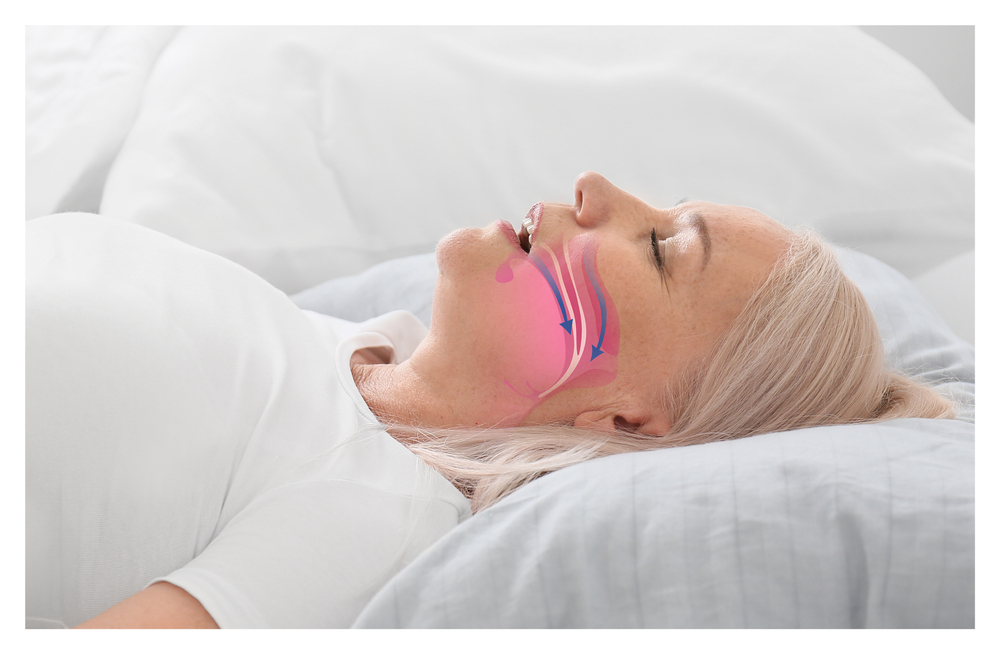
Sleep apnea occurs when the airway becomes partially or fully blocked during sleep, causing breathing interruptions and drops in oxygen levels. Over time, untreated sleep apnea can lead to fatigue, poor concentration, mood changes, and increased risk of heart related issues.
While CPAP therapy keeps the airway open using steady air pressure, comfort and compliance challenges lead many people to seek different solutions. Alternatives focus on improving airway stability, muscle function, and overall health without external equipment.
Oral Appliance Therapy for Airway Support
One of the most widely recommended CPAP alternatives is oral appliance therapy. These custom-made devices are worn in the mouth during sleep and help maintain an open airway.
How Oral Appliances Work
Oral appliances gently reposition the lower jaw and tongue forward. This prevents airway collapse and allows smoother airflow throughout the night. They are especially effective for mild to moderate obstructive sleep apnea.
Benefits of Oral Appliances
- Comfortable and easy to wear
- Quiet and travel-friendly
- No tubing or power source required
- Custom fit for individual comfort
Many people find oral appliances easier to maintain consistently compared to CPAP.
Positional Therapy for Natural Breathing Improvement
Sleep position plays a major role in airway obstruction. For many individuals, symptoms worsen when sleeping on their backs because gravity causes soft tissues to fall backward.
How Positional Therapy Helps
Positional therapy encourages side sleeping using specialized pillows, wearable devices, or gentle reminders. This approach helps keep the airway open naturally and reduces snoring and apnea events.
Who Benefits Most
- People with positional obstructive sleep apnea
- Individuals with mild symptoms
- Those seeking a non-invasive solution
Over time, positional therapy can train the body to adopt healthier sleeping habits.
Weight Management and Lifestyle Changes
Body weight is a significant factor in sleep apnea severity. Excess weight around the neck and throat increases pressure on the airway and contributes to obstruction.
Lifestyle Changes That Support Better Sleep
- Maintaining a healthy weight through balanced nutrition
- Engaging in regular physical activity
- Avoiding alcohol before bedtime
- Quitting smoking
- Establishing consistent sleep routines
Even moderate weight loss can significantly improve breathing during sleep and reduce symptom severity.
Myofunctional Therapy for Muscle Strengthening
Myofunctional therapy focuses on strengthening the muscles of the tongue, throat, and face. Weak muscles are more likely to collapse during sleep, leading to airway obstruction.
How This Therapy Works
Targeted exercises improve muscle tone and coordination, helping stabilize the airway. This therapy is often used alongside other treatments for better results.
Ideal Candidates
- Individuals with mild sleep apnea
- People using oral appliances or positional therapy
- Those looking for supportive long-term improvement
Consistency is key, as exercises must be practiced regularly to achieve lasting benefits.
Nasal Treatments and Airway Support Options
Nasal congestion or structural issues can worsen sleep apnea by limiting airflow through the nose. Addressing nasal health can improve breathing and enhance treatment outcomes.
Common Nasal Support Methods
- Nasal dilators or strips
- Allergy management and congestion treatment
- Correcting structural blockages, such as a deviated septum
These approaches work best when nasal obstruction is a contributing factor rather than the sole cause of sleep apnea.
Surgical Options for Structural Correction
When anatomical issues play a major role in airway blockage, surgical intervention may be recommended. Surgery is usually considered after other non-invasive options have been explored.
Types of Surgical Procedures
- Removal of excess tissue in the throat
- Correction of nasal or sinus abnormalities
- Jaw alignment procedures
Surgical treatment plans are personalized based on airway anatomy and severity of sleep apnea.
Hypoglossal Nerve Stimulation Therapy
Hypoglossal nerve stimulation is an advanced treatment designed for individuals with moderate to severe obstructive sleep apnea who cannot tolerate CPAP.
How It Works
A small implanted device stimulates the nerve responsible for tongue movement, preventing airway collapse during sleep. The system activates automatically at night and supports natural breathing patterns.
Advantages
- No external mask or machine
- Improved sleep quality and comfort
- Effective for select candidates
This therapy requires careful evaluation to determine eligibility.
Combining Treatments for Maximum Effectiveness
Many people achieve the best results by combining multiple CPAP alternatives. For example, oral appliance therapy paired with weight management and positional therapy can provide meaningful improvement.
A personalized treatment plan developed by a sleep specialist ensures that therapies work together effectively and address individual needs.
When to Seek Professional Guidance
If sleep apnea symptoms persist despite lifestyle changes, professional evaluation is essential. Signs such as loud snoring, choking during sleep, morning headaches, or daytime fatigue should not be ignored.
A sleep specialist can recommend appropriate alternatives based on severity, anatomy, and personal preferences.
Conclusion
CPAP therapy is not the only path to better sleep. From oral appliances and positional therapy to muscle training and surgical solutions, there are many effective alternatives for managing sleep apnea. The right approach depends on your symptoms, lifestyle, and comfort level.
Exploring treatment options with a qualified provider ensures safe and lasting results. With the right plan and consistent care, sleep disorder breathing treatment can restore restful nights, improve energy levels, and support long-term health.