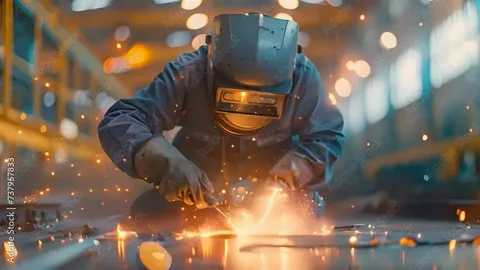
Welding sheet metal is an essential skill in automotive, HVAC, and general fabrication projects. However, one of the biggest challenges welders face is preventing the thin metal from warping under heat. Sheet metal is highly sensitive to thermal expansion, and excessive heat can cause it to twist, buckle, or deform, compromising the final product’s precision. Fortunately, several techniques and practices can help welders maintain control and achieve clean, strong welds without damaging the metal.
In this article, we will explore the top techniques for welding sheet metal without warping, providing practical advice for both beginners and experienced welders.
Choose the Right Welding Method
The first step in minimizing warping during welding sheet metal is selecting the proper welding technique. TIG (Tungsten Inert Gas) welding is often recommended for thin sheet metal because it allows precise control of heat input. TIG welding produces a concentrated arc, reducing the risk of spreading heat across the metal and causing distortion. MIG (Metal Inert Gas) welding is another popular choice, especially for larger projects, as it allows faster welding with lower heat per pass when using proper settings.
Adjusting welding parameters is equally important. For MIG welding, reducing the voltage and using a smaller wire diameter can help prevent overheating. In TIG welding, controlling the amperage and using a foot pedal to adjust the heat dynamically allows welders to add just enough energy to form a strong joint without warping the sheet metal. Understanding the strengths of each method and tailoring the settings to the thickness of the metal is crucial for success.
Use Short, Controlled Welds
One of the most effective ways to prevent warping is by using short, controlled welds instead of long continuous seams. Sheet metal heats up quickly, and long welds cause excessive thermal expansion, leading to distortion. By welding in short bursts, allowing the metal to cool between passes, you maintain better control over heat buildup. This technique is often referred to as “stitch welding” and is particularly useful for thin sheets.
Another method is alternating welds on opposite sides of the joint. For example, welding a small section on one side and then moving to the other side helps balance the stresses in the metal. This back-and-forth approach distributes heat evenly, reducing the likelihood of warping. By combining short welds and strategic sequencing, welders can achieve strong, straight joints without sacrificing the integrity of the sheet metal.
Employ Proper Clamping and Fixturing
Clamping and fixturing are critical when welding sheet metal. Thin sheets have a tendency to move or twist under heat, so securing them firmly before welding can prevent unwanted deformation. Using metal clamps, magnets, or welding jigs ensures that the pieces stay aligned throughout the process. A solid fixture can also absorb some of the heat stress, reducing the potential for warping.
Additionally, consider using backing bars or heat sinks. Placing a copper or aluminum backing bar behind the weld joint can draw heat away from the metal, lowering the temperature in the surrounding area. Heat sinks act as temporary stabilizers and can help maintain the shape of delicate sheet metal parts. Proper fixturing combined with heat management significantly improves the accuracy and quality of the welds.
Control Heat Input and Cooling
Heat management is the cornerstone of preventing warping in sheet metal. Too much heat causes expansion, while too little heat can result in weak welds. One effective strategy is to lower the amperage and use multiple passes to complete a joint rather than attempting a single high-heat pass. This approach reduces stress on the metal and minimizes distortion.
Cooling techniques also play a vital role. Allowing the metal to cool naturally between welds prevents concentrated heat buildup. Some welders use air or water-cooled devices to accelerate cooling in controlled ways, but care must be taken to avoid rapid temperature changes that can introduce cracks. By carefully managing heat input and cooling, welders can maintain the sheet metal’s integrity and avoid costly mistakes.
Prepare the Metal and Maintain Cleanliness
Proper preparation of the sheet metal is often overlooked but is essential for reducing warping during welding. Cleaning the surface of rust, oil, and paint ensures consistent heat distribution and prevents weld defects. Even a thin layer of contamination can cause uneven heating, leading to localized warping. Sanding or grinding the metal edges and joint areas provides a smooth surface for the welding process.
Another preparation tip is edge preparation. Beveling or chamfering the edges allows better penetration and reduces the amount of heat required to form a solid weld. This means less thermal stress on the sheet metal, reducing the likelihood of deformation. Clean, properly prepared metal is easier to work with, promotes stronger welds, and is a key factor in achieving professional-quality results when welding sheet metal.
Conclusion
Welding sheet metal without warping is a combination of proper technique, heat management, and preparation. Choosing the right welding method, using short and strategic welds, employing secure fixturing, controlling heat input, and properly preparing the metal all contribute to successful, distortion-free results. While thin metal can be challenging to work with, following these techniques ensures stronger, cleaner, and more precise welds.
By integrating these best practices into your welding routine, you can significantly reduce the risk of warping, improve the overall quality of your projects, and enhance your efficiency as a welder. Whether you are working on automotive panels, HVAC systems, or custom metal fabrication, mastering these techniques will help you achieve professional-level results every time.