Modern workspaces are evolving far beyond rows of desks and plain painted walls. Today’s offices reflect brand identity, employee well-being, and operational efficiency. One of the most impactful yet often underestimated design elements is office wall paneling. When thoughtfully implemented, wall panels can completely transform the atmosphere of a workspace.
This article explores how wall panels are redefining office interiors, their functional benefits, and practical ways to integrate them into contemporary work environments.
The Shift from Basic Walls to Functional Design
Traditional office walls served a purely structural purpose. They divided space but contributed little to the overall experience. In contrast, modern workplaces demand environments that inspire creativity, reduce stress, and enhance focus.
Wall panels have emerged as a solution that blends aesthetic appeal with functionality. From sleek corporate offices to creative studios, wall paneling plays a key role in shaping how people feel and perform within a space.
What Are Office Wall Panels?
Office wall panels are decorative or functional coverings installed on walls to improve appearance, acoustics, and durability. They come in a variety of materials, textures, and designs, making them adaptable to different office styles.
Common types include:
- Acoustic panels – Reduce noise and echo
- Wooden panels – Add warmth and sophistication
- Fabric panels – Enhance comfort and sound absorption
- 3D panels – Create depth and visual interest
- Metal or laminate panels – Offer a modern, sleek finish
Each type serves a specific purpose, allowing businesses to customize their workspace based on needs.
Why Office Wall Panels Matter More Than Ever
1. Enhancing Productivity Through Design
Workplace design directly impacts employee productivity. Harsh environments with noise distractions and dull visuals can reduce focus. Wall panels, especially acoustic ones, help create a quieter and more comfortable environment.
Reduced noise levels improve concentration, making them ideal for open-plan offices where distractions are common.
2. Strengthening Brand Identity
Office interiors often reflect a company’s brand values. Wall panels provide an opportunity to integrate brand colors, textures, and patterns into the workspace.
For example:
- A tech company may opt for sleek, minimal panels
- A creative agency may prefer bold textures and 3D designs
- A corporate office may choose elegant wooden finishes
This subtle branding reinforces identity without overwhelming the space.
3. Improving Acoustic Comfort
Noise is one of the biggest challenges in modern offices. Conversations, phone calls, and movement can create constant background noise.
Acoustic wall panels:
- Absorb sound waves
- Reduce echo
- Improve speech clarity
This leads to a more comfortable and productive work environment, especially in meeting rooms and collaborative spaces.
4. Durability and Maintenance Benefits
Wall panels are not just about aesthetics. They also protect walls from damage, scratches, and wear.
Compared to regular paint:
- Panels last longer
- Require less frequent maintenance
- Are easier to clean
This makes them a cost-effective long-term investment.
Popular Office Wall Panel Materials
Wooden Panels
Wood remains a timeless choice. It adds warmth, elegance, and a premium feel to offices. Suitable for executive cabins, conference rooms, and reception areas.
Fabric Panels
These panels are widely used for acoustic purposes. They also create a soft, welcoming environment, ideal for collaborative workspaces.
PVC and Laminate Panels
Affordable and versatile, these panels come in various finishes. They are moisture-resistant and easy to install.
3D Decorative Panels
Designed for visual impact, 3D panels create texture and depth. Perfect for feature walls or branding zones within the office.
Strategic Placement of Wall Panels
Installing panels randomly may not deliver the desired results. Strategic placement ensures both functional and visual benefits.
Key areas to focus on:
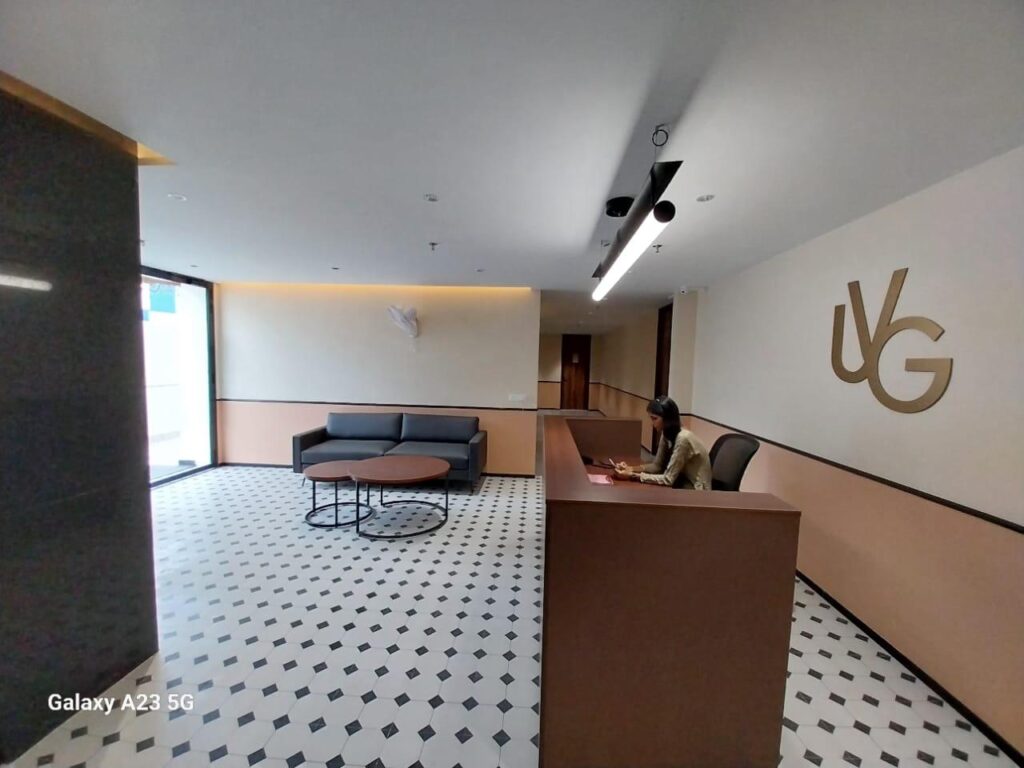
- Reception Area – First impressions matter
- Meeting Rooms – Acoustic control is essential
- Workstations – Improve focus and reduce distractions
- Breakout Zones – Add creativity and comfort
A balanced approach ensures the space looks cohesive while serving practical needs.
Integrating Wall Panels with Overall Office Design
Wall panels should complement the broader interior design rather than stand out awkwardly. This requires thoughtful planning.
In many commercial projects, businesses collaborate with professionals such as an Office Interior Designer in Faridabad to ensure that wall paneling aligns with layout, lighting, and furniture choices. A well-integrated design creates a seamless experience where every element works together.
In larger corporate hubs, especially in rapidly developing regions, companies often seek guidance from experts like an Office Interior Designer in Gurugram who specialize in blending modern aesthetics with functional workspace planning.
Cost Considerations and ROI
One of the most common concerns is cost. While wall panels may seem like an additional expense, they offer strong returns in multiple ways:
- Reduced maintenance costs
- Improved employee productivity
- Enhanced brand perception
- Increased property value
Choosing the right materials based on budget and purpose ensures optimal value.
Common Mistakes to Avoid
Even though wall panels are versatile, improper implementation can reduce their impact.
Avoid these mistakes:
- Overusing decorative panels, leading to visual clutter
- Ignoring acoustics in noisy environments
- Choosing materials that don’t match office usage
- Poor installation quality
A balanced approach ensures both functionality and aesthetics.
Future Trends in Office Wall Panel Design
The demand for smarter and more adaptive workspaces is shaping new trends in wall paneling.
Emerging trends include:
- Sustainable materials like recycled wood and eco-friendly composites
- Smart panels with integrated lighting or technology
- Modular designs for flexible office layouts
- Biophilic panels that incorporate natural elements
These innovations are redefining how walls contribute to workplace experience.
Final Thoughts
Office wall panels are no longer just decorative additions. They are strategic tools that enhance productivity, comfort, and brand identity. From acoustic improvements to visual transformation, their impact extends across multiple aspects of workplace design.
Businesses that invest in thoughtful wall panel solutions gain a competitive edge by creating environments where employees feel motivated and clients feel impressed.
A well-designed workspace is not just seen—it is experienced. Wall panels play a crucial role in shaping that experience, making them an essential element in modern office interiors.