Tank Truck Transport in Alberta Oilfields: A Practical Guide
Oilfield operations rely on movement. Rigs, pumps, separators, and crews may stay in one place, but the fluids that keep everything functioning rarely do. Water, drilling mud, produced fluids, and waste materials must travel continuously between well sites, storage batteries, treatment facilities, and disposal wells. That job belongs to tank trucks.
Many operators searching for tank truck transport near me are not looking for a simple delivery service. They are trying to solve a logistics problem that affects production uptime, environmental compliance, and safety on active industrial sites. Understanding how tank truck transport actually works helps site managers coordinate operations more efficiently and avoid costly delays.
What Tank Trucks Are and Why Oilfields Need Them
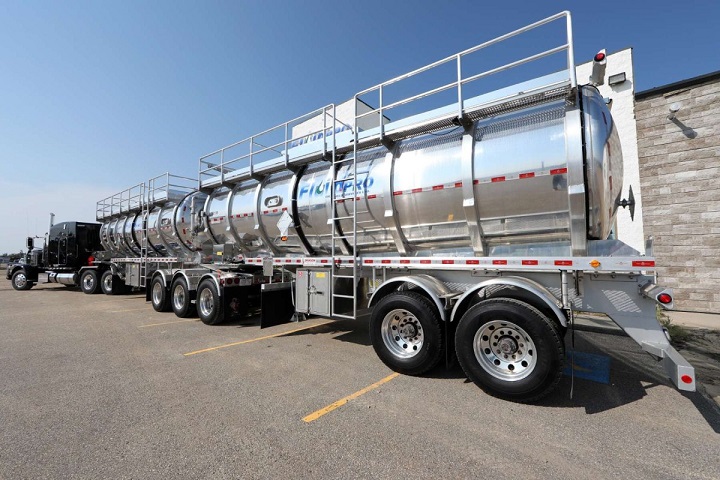
A tank truck is a heavy-duty transport vehicle equipped with a sealed cylindrical tank designed for hauling liquids safely. In oilfield settings, these trucks function as mobile pipelines, connecting locations that are not permanently tied into gathering systems.
Unlike fuel delivery trucks seen in cities, oilfield tank trucks are engineered for industrial fluids. They are built with reinforced tanks, internal baffles to control liquid surge, pressure control systems, and specialized pumping equipment.
Typical fluids transported include:
- Fresh water for drilling and hydraulic fracturing
- Drilling mud and additives
- Produced water from wells
- Condensate and crude oil
- Flowback fluids after completion
- Waste fluids requiring disposal
In remote Alberta fields, especially during early production stages, pipeline infrastructure often doesn’t exist yet. Tank trucks allow wells to produce while permanent infrastructure is still being planned or constructed.
The Role of Tank Trucks in Fluid Hauling Operations
Fluid hauling is more than moving liquid from point A to point B. It is a continuous support system that keeps drilling, completion, and production processes working together.
During drilling, rigs consume large volumes of water and drilling fluid. Without regular deliveries, drilling stops. After completion, wells produce water and hydrocarbons that must be removed quickly to prevent overpressure or shutdowns.
A typical oilfield fluid hauling cycle includes:
- Supplying fresh water to the drilling location
- Transporting drilling mud between pits and processing facilities
- Removing produced water to disposal wells
- Delivering chemicals and additives to batteries
- Transporting waste fluids to approved treatment sites
Operators often search for tank truck transport near me when coordinating multiple well pads because distance directly affects cycle time. A nearby hauling provider can complete more trips per day, reducing on-site storage requirements and minimizing production interruptions.
Operational Workflow: From Loading to Unloading
1. Loading at Source
The process begins at a water source, storage tank, or production battery. The driver connects transfer hoses and operates either onboard pumps or facility pumps. Before loading, measurements are taken to ensure capacity limits are not exceeded.
2. Secure Transport
Once loaded, hatches are sealed, and pressure checks are performed. The driver documents fluid type, volume, and destination. Route planning matters, especially during winter road restrictions in Alberta, where weight and road conditions change daily.
3. Arrival and Site Safety Check
Upon arrival, drivers report to the site supervisor. They confirm tank capacity at the receiving facility and check grounding, venting, and spill containment readiness.
4. Controlled Unloading
Fluids are transferred using pumps or gravity flow,w depending on tank design and site equipment. During unloading, drivers monitor pressure, flow rate, and hose connections continuously.
5. Documentation
The final step is recording volumes and confirming the chain-of-custody paperwork. These records are critical for regulatory reporting and production accounting.
Equipment Types and Operator Responsibilities
Not all tank trucks are identical. Oilfield fleets typically include:
- Tri-axle tankers for local hauling
- Super B units for long-distance high-volume transport
- Vacuum trucks for waste and cleanup fluids
- Insulated or heated tanks for winter operations
Drivers are not just drivers. They act as equipment operators, safety monitors, and environmental stewards. Responsibilities include:
- Performing pre-trip inspections
- Testing valves and vents
- Monitoring tank pressure
- Preventing spills during transfer
- Communicating hazards to site personnel
In Alberta, oilfield drivers commonly hold additional safety certifications beyond a commercial license, reflecting the industrial nature of the work.
Safety and Environmental Compliance in Alberta
Fluid hauling is closely regulated in Alberta. Companies must follow requirements set by provincial regulators such as the Alberta Energy Regulator (AER) and transportation safety authorities.
Key safety practices include:
- Secondary containment during transfers
- Grounding and bonding to prevent static ignition
- Spill kits on every truck
- Proper labeling and documentation
- Disposal only at licensed facilities
Produced water and waste fluids cannot simply be dumped or stored indefinitely. They must go to approved disposal wells or treatment facilities. Documentation from tank truck transfers often becomes part of regulatory reporting, which is why accuracy matters.
Regional providers, such as FluidPRO Oilfield Services Ltd, operate within this regulated framework, coordinating fluid hauling between well sites and licensed disposal locations as part of routine field logistics.
Real-World Field Scenario
Consider a multi-well pad outside Grande Prairie during winter completion operations.
A completion crew is fracturing two wells simultaneously. Each stage requires thousands of barrels of water. Freshwater trucks cycle continuously from a permitted water source 25 kilometers away. At the same time, flowback water begins returning from the first well.
If hauling stops:
- Storage tanks fill
- Flowback operations halt
- The frac spread idles
- Crew costs escalate rapidly
Tank trucks rotate in a timed sequence. While some deliver fresh water, others remove flowback fluid to a disposal facility. The site supervisor tracks truck arrival times to avoid bottlenecks. Efficient fluid hauling keeps equipment operating and prevents environmental risk from overfilled tanks.
Common Misunderstandings About Fluid Hauling
Misconception 1: Tank trucks only move oil.
Most hauling volume in Alberta is actually produced water, not crude.
Misconception 2: Any trucking company can do the job.
Oilfield hauling requires specialized equipment, documentation, and trained operators.
Misconception 3: Storage tanks solve transport delays.
Temporary tanks provide buffer capacity but cannot replace regular hauling cycles.
Misconception 4: It’s just transportation.
Improper handling during loading or unloading can cause spills, shutdowns, or regulatory reporting events.
Practical Tips for Choosing a Reliable Provider
When evaluating a hauling contractor, consider operational fit rather than marketing claims.
Look for:
- Familiarity with regional road conditions
- Proper fluid documentation procedures
- Availability during peak activity periods
- Winter-capable equipment
- Communication with site supervisors
Proximity matters. Many operators start their search for tank truck transport near me because travel distance directly affects turnaround time and production efficiency.
Frequently Asked Questions
- What fluids are most commonly hauled in Alberta oilfields?
Produced water and freshwater for drilling operations make up the majority of hauling volume. - Are tank trucks used even when pipelines exist?
Yes. Trucks handle early production, maintenance outages, and remote wells without pipeline connections. - How is spill risk controlled during transfer?
Grounding, monitored pumping, and secondary containment systems reduce spill likelihood. - Do drivers handle paperwork?
Drivers record load volumes, origin, and destination. These records support regulatory and production reporting. - Why does distance affect hauling cost and scheduling?
Longer travel times reduce the number of daily trips per truck, increasing the number of trucks required for the same operation.
Conclusion
Tank truck transport is an essential but often overlooked part of oilfield operations. It connects wells to treatment, disposal, and storage systems while enabling production long before pipelines are available. Understanding loading procedures, safety requirements, and workflow helps site managers plan efficiently and reduce operational disruptions.
For operators managing active well sites, searching for tank truck transport near me is ultimately about reliability, coordination, and compliance. When fluid movement works smoothly, the entire field does as well.