Select Design Concept
Choosing a clear design concept is the first step in customization. Define the purpose of the garment whether it represents a brand, personal style, or event theme. Sketch ideas on paper or create digital drafts for accuracy. Focus on layout, colors, and placement before production. Planning reduces errors and improves final results. A strong concept ensures consistency across multiple clothing pieces and builds recognition.
Apply Graphic Prints
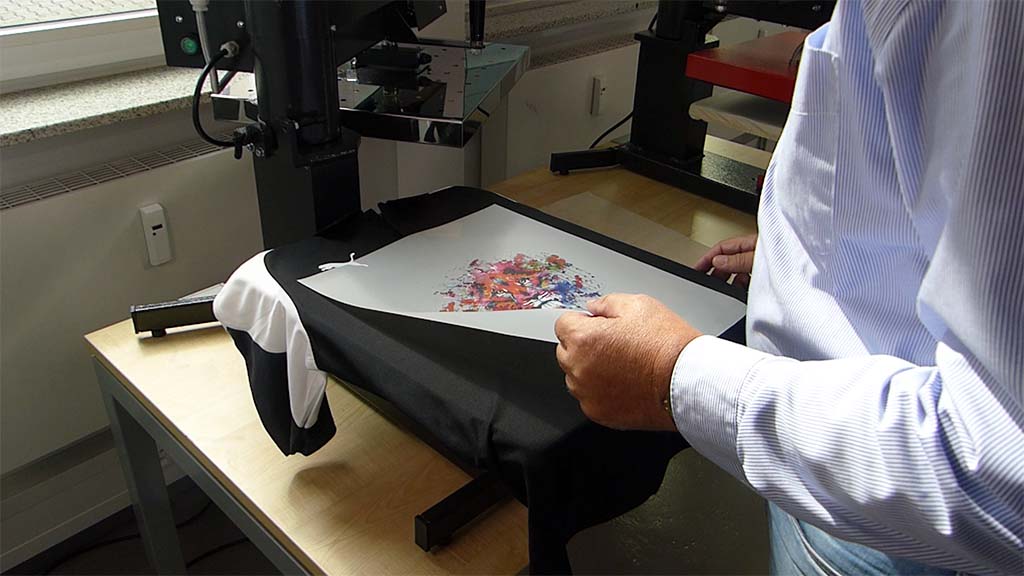
Graphic printing adds bold visuals and clear messaging to apparel. Prepare high resolution artwork for sharp results. Select suitable printing methods based on fabric type and durability needs. Position graphics on visible areas such as chest or back for maximum impact. Secure proper heat pressing or transfer application for long lasting adhesion. Graphic prints support logos, artwork, slogans, and creative illustrations on t shirts and hoodies.
Use Embroidery Details
Embroidery delivers a premium and textured appearance to customized clothing. Start by selecting fabric that supports stitching without damage. Convert the design into an embroidery file or pattern for machine accuracy. Place stitched elements on sleeves, collars, or pockets for balanced design. Use strong thread materials to maintain durability after washing. Proper stitching techniques prevent loose threads and ensure a clean professional finish.
Create Patchwork Designs
Patchwork customization combines different fabric pieces into one creative layout. Gather patches, fabric cuts, or decorative elements that match the concept. Arrange pieces before attaching them permanently to check balance and symmetry. Sew or iron patches firmly to secure long term wear. Patchwork works well on jackets, jeans, and streetwear pieces. This method adds depth, contrast, and artistic layering to clothing.
Try DIY Distressing
Distressing gives garments a rugged and fashionable look. Mark areas where rips or frayed edges will appear to control design placement. Use tools such as scissors, razors, or sandpaper carefully for precise effects. Avoid excessive cutting to protect garment structure. Wash the fabric after distressing to refine texture and appearance. Controlled distressing improves denim jackets, jeans, and cotton outfits with edgy detail.
Experiment with Color Customization
Color customization transforms plain garments into eye catching pieces. Choose dye techniques such as tie dye, ombre fading, or hand painted patterns. Test colors on small fabric samples before applying them fully. Apply dye evenly and allow proper drying time for strong color retention. Fix the color with heat or setting solutions to improve durability. Unique color combinations ensure each garment looks different and creative.
Build Personal Branding
Personal branding through clothing strengthens identity and recognition. Add logos, brand names, or signature symbols to apparel. Place branding elements in visible positions for clear visibility. Use professional printing or embroidery methods to maintain sharp details. Align clothing design with social media presence or business goals. Personalized branding turns garments into marketing tools while improving professional image.
Focus on Sustainable Upcycling
Upcycling supports creativity while reducing waste. Review old garments to identify reusable fabric sections and strong materials. Add new prints, embroidery, or decorative trims to refresh the design. Combine different textures for a modern look. Reinforce seams and edges to improve strength. Sustainable customization extends garment lifespan and promotes eco friendly fashion practices without limiting style options.
Design Custom Accessories
Accessories complete customized outfits with detailed style elements. Select items such as hats, bags, sneakers, or scarves for personalization. Apply small prints, embroidered logos, or painted details for enhancement. Secure decorative additions firmly to ensure daily usability. Coordinate accessories with clothing themes for unified styling. Personalized accessories strengthen overall appearance and create balanced fashion statements.
Introduce Limited Edition Themes
Limited edition customization creates exclusivity and demand. Plan small production batches for seasonal events, promotions, or special collaborations. Focus on unique artwork and creative concepts for each collection. Limit availability to increase value perception among buyers. Promote pieces with clear branding and visual presentation. Exclusive themes generate excitement and encourage collectors to purchase quickly.
Add Cultural Inspirations
Cultural elements bring meaning and storytelling to fashion customization. Research traditional patterns, symbols, or artistic details carefully. Integrate heritage designs into modern garment layouts for balance. Maintain respect for cultural significance while applying creative interpretation. Combine traditional motifs with contemporary styling to create meaningful apparel. Cultural inspiration adds depth and identity to customized clothing collections.
Apply Statement Typography
Typography customization allows clothing to communicate strong messages. Select powerful words, short quotes, or brand taglines. Choose fonts that match the overall design concept. Adjust text size and placement for clear visibility. Consider metallic effects, raised printing, or bold lettering for stronger impact. Statement typography transforms apparel into a personal expression tool that reflects beliefs and creativity.
Maintain Quality and Finishing
Quality control ensures customized garments look professional. Inspect prints, stitches, and patches for alignment and durability. Check seams and edges for strong attachment. Wash test sample pieces to confirm color retention and material strength. Fix minor errors before final production. Proper finishing improves appearance and increases customer satisfaction while protecting design investment.
Conclusion
Customization gives fashion fans complete control over design, style, and presentation. Step-by-step techniques such as graphic printing, embroidery, patchwork, and sustainable upcycling create unique results. Personal branding, typography, and limited edition themes add value and exclusivity. Careful planning and execution ensure professional outcomes. Customized apparel remains a powerful way to express identity and creativity through wearable art.