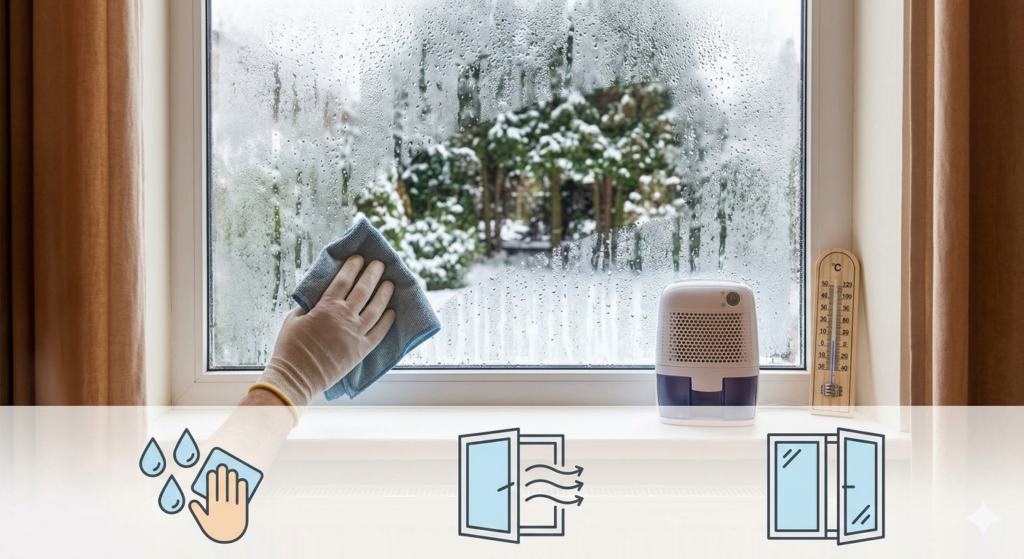
Window condensation is a common issue faced by homeowners, especially during colder months. While it may seem like a minor inconvenience, persistent condensation can lead to more serious problems such as mold growth, structural damage, and reduced indoor air quality. Understanding why condensation forms and how to effectively address it is essential for maintaining a comfortable and healthy living environment.
In this comprehensive guide, we’ll explore the causes of window condensation, the different types you might encounter, and practical solutions to fix and prevent it.
Understanding Window Condensation
Condensation occurs when warm, moist air comes into contact with a cooler surface, such as a windowpane. When this happens, the air cools down and loses its ability to hold moisture, causing water droplets to form on the surface.
This process is similar to what happens when you take a cold drink out of the fridge on a hot day—the outside of the glass quickly becomes wet due to condensation.
Windows are particularly prone to condensation because they are often the coldest surfaces in a home, especially if they are single-glazed or poorly insulated.
Types of Window Condensation
Before diving into the causes, it’s important to identify where the condensation is forming, as this can help determine the underlying issue.
1. Interior Condensation
This forms on the inside surface of your windows. It’s the most common type and usually indicates high indoor humidity levels.
2. Exterior Condensation
This appears on the outside of windows and is generally not a problem. It often occurs during early mornings when outdoor humidity is high and temperatures fluctuate.
3. Between the Panes
If condensation appears between double- or triple-glazed window panes, it usually means the seal has failed, allowing moisture to enter the insulated glass unit.
What Causes Window Condensation?
Several factors contribute to window condensation. Often, it’s a combination of multiple issues rather than a single cause.
1. High Indoor Humidity
Excess moisture inside your home is the primary cause of interior condensation. Everyday activities such as cooking, showering, drying clothes indoors, and even breathing release moisture into the air.
Homes with poor ventilation trap this moisture, leading to higher humidity levels and increased condensation.
2. Poor Ventilation
Without proper airflow, moist air has nowhere to escape. Bathrooms, kitchens, and laundry areas are especially prone to moisture buildup if exhaust fans or vents are not functioning properly.
3. Temperature Differences
Condensation is more likely to occur when there is a significant difference between indoor and outdoor temperatures. During winter, warm indoor air meets cold window surfaces, causing moisture to condense.
4. Inefficient Windows
Older windows, particularly single-pane designs, offer poor insulation. Even some older double-glazed units can lose efficiency over time. These windows allow more heat transfer, making the glass surface colder and more susceptible to condensation.
If you’re dealing with outdated windows, upgrading or retrofitting them with modern insulation solutions can make a big difference. For example, installing high-performance window insulation systems can significantly reduce condensation while improving energy efficiency.
5. Broken Window Seals
In double- or triple-glazed windows, the space between panes is sealed and often filled with insulating gas. When the seal fails, moisture can enter, leading to fogging or condensation between the panes.
6. Lack of Insulation
Poorly insulated walls and window frames can create cold spots, increasing the likelihood of condensation forming around windows.
7. New Homes and Renovations
Newly built or recently renovated homes often contain a lot of moisture from construction materials like concrete, plaster, and paint. This moisture can take months—or even years—to fully dissipate.
Why Window Condensation Shouldn’t Be Ignored
While occasional condensation might not seem like a big deal, persistent moisture can lead to several problems:
- Mold and mildew growth
- Damage to window frames and sills
- Peeling paint or wallpaper
- Reduced indoor air quality
- Potential health issues
Addressing condensation early can save you from costly repairs and health concerns down the line.
How to Fix Window Condensation
The right solution depends on the underlying cause. Here are some effective strategies to tackle condensation:
1. Reduce Indoor Humidity
Lowering humidity levels is one of the most effective ways to prevent condensation.
Tips:
- Use a dehumidifier
- Keep indoor humidity between 30–50%
- Avoid drying clothes indoors
- Cover pots while cooking
2. Improve Ventilation
Ensure proper airflow throughout your home.
Steps to take:
- Use exhaust fans in kitchens and bathrooms
- Open windows periodically to allow fresh air in
- Install trickle vents if your windows support them
3. Upgrade Your Windows
If your windows are outdated, consider upgrading or retrofitting them with modern solutions.
Instead of replacing entire window units, many homeowners are opting for cost-effective retrofitting options like secondary glazing solutions for existing windows, which improve insulation and reduce condensation without the need for full replacement.
4. Use Window Insulation Kits
Temporary insulation kits can help reduce heat loss and keep the interior glass surface warmer, minimizing condensation.
5. Maintain Consistent Indoor Temperatures
Keeping your home at a steady temperature helps prevent drastic fluctuations that can lead to condensation.
6. Check and Repair Seals
Inspect your windows for damaged or broken seals. If you notice condensation between panes, it may be time to repair or replace the insulated glass unit.
7. Add Weatherstripping
Sealing gaps around windows can reduce drafts and prevent cold air from entering, helping to keep window surfaces warmer.
8. Install Storm Windows or Secondary Glazing
Adding an extra layer of glazing can dramatically improve insulation and reduce condensation. This is particularly useful for heritage homes where replacing windows may not be an option.
Preventing Window Condensation Long-Term
Prevention is always better than cure. Here are some long-term strategies to keep condensation at bay:
Control Moisture Sources
Identify and manage sources of excess moisture in your home.
Use Moisture-Absorbing Materials
Products like silica gel or moisture absorbers can help in small spaces.
Regular Maintenance
Keep windows clean and inspect them regularly for signs of wear or damage.
Upgrade Insulation
Improving overall home insulation reduces temperature differences and minimizes condensation risk.
Smart Home Solutions
Humidity sensors and smart thermostats can help you monitor and control indoor conditions more effectively.
When to Seek Professional Help
If condensation persists despite your efforts, it may be time to consult a professional. Experts can assess your home’s ventilation, insulation, and window performance to recommend tailored solutions.
Final Thoughts
Window condensation is more than just a seasonal annoyance—it’s a sign that your home’s moisture balance and insulation may need attention. By understanding the causes and implementing the right solutions, you can protect your home, improve energy efficiency, and create a more comfortable living space.
Whether it’s reducing indoor humidity, improving ventilation, or upgrading your windows, taking proactive steps will go a long way in preventing condensation issues. And if you’re looking for a cost-effective way to enhance your window performance, exploring modern retrofitting solutions can be a smart and sustainable choice.
By addressing condensation today, you’re investing in a healthier, more efficient home for the future.