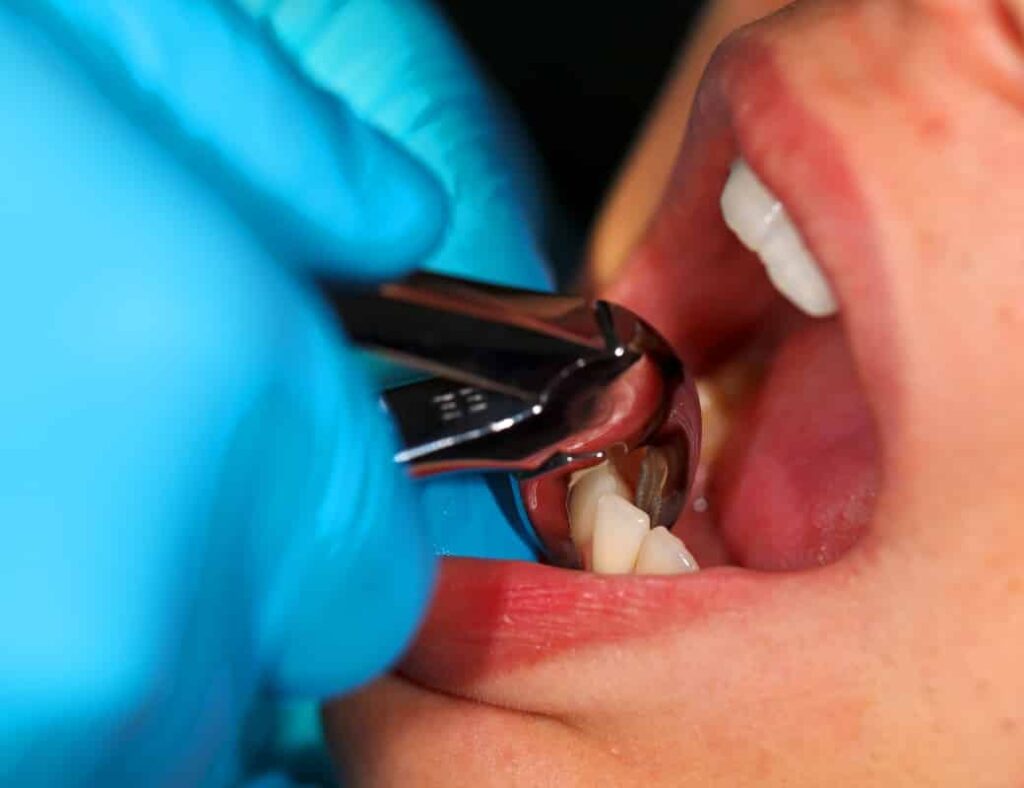
Immediate Effects After Surgery
Once the tooth is removed, the extraction site begins the initial healing process. A blood clot forms in the empty socket to protect the underlying bone and nerves. This clot is crucial, as it serves as a foundation for tissue regeneration.
Some mild bleeding or oozing is normal during the first few hours. Adults may also notice swelling around the gums or cheeks, as the body reacts to the surgical trauma.
Pain and Discomfort
Some soreness and tenderness are expected after tooth removal. This discomfort usually peaks within the first 24 hours and gradually decreases over the following days.
While sharp pain is rare if anesthesia was used correctly, the area may feel tender when touched, while chewing, or when opening the mouth widely. Proper rest and gentle care can help minimize discomfort during this period.
Swelling and Bruising
Swelling is a normal part of the body’s healing response. It often reaches its maximum within 24 to 48 hours and then starts to subside naturally. Bruising may also appear around the cheeks or jaw area, particularly after more complex extractions.
Adults should avoid applying pressure or massaging the area, as this can worsen swelling or disturb the clot.
Diet and Eating After Surgery
Immediately after extraction, it is recommended to consume soft foods and avoid chewing near the extraction site. Liquids and soft foods like yogurt, soups, and smoothies are ideal during the first day or two.
Gradually, adults can reintroduce firmer foods as discomfort decreases. Care should be taken to avoid hard, crunchy, or sticky foods that could irritate the healing site.
Oral Hygiene
Keeping the mouth clean is essential for preventing infection. Adults should gently rinse with a mild solution after the first 24 hours but avoid vigorous swishing, which can dislodge the blood clot.
Brushing should continue, but the extraction site should be approached carefully to avoid trauma. Maintaining cleanliness supports faster healing and reduces the risk of complications.
Recovery Timeline
Recovery after tooth removal typically progresses in stages:
-
First 24 hours: Formation of the blood clot, mild bleeding, swelling, and tenderness.
-
2–3 days: Swelling begins to subside, discomfort gradually decreases, and soft foods are recommended.
-
1–2 weeks: Gum tissue begins to close over the socket, and most tenderness resolves.
-
Several weeks to months: The underlying bone remodels and strengthens, completing the internal healing process.
Common Sensations During Recovery
Adults may notice mild stiffness in the jaw, slight tenderness when opening the mouth, or minor changes in gum texture. These sensations are generally temporary and indicate normal healing.
It is important to avoid unnecessary pressure on the extraction site and follow recommended care routines to support recovery.
Complications to Watch For
While most adults heal without issue, some signs require attention:
-
Prolonged or excessive bleeding
-
Severe swelling or pain that worsens after a couple of days
-
Signs of infection, such as pus, fever, or persistent redness
-
Dry socket, where the blood clot is lost and exposes bone
If any of these occur, contacting a dental professional promptly ensures proper care.
Pain Management
Mild discomfort after tooth removal can be managed with recommended pain-relief strategies, such as over-the-counter medications or gentle care practices. Pain typically decreases steadily each day and becomes minimal within a week.
Emotional and Practical Considerations
Relief from pre-existing tooth pain often provides emotional comfort after extraction. Adults may also feel more confident in resuming normal activities as the healing process progresses.
Planning recovery, including rest, soft foods, and reduced physical exertion, helps support both comfort and healing.
Frequently Asked Questions About Recovery
How long does soreness last after tooth removal?
Soreness typically peaks within the first day and gradually improves over one to two weeks, depending on the complexity of the extraction.
When can I return to normal activities?
Light activities can usually resume within a day or two, while strenuous exercise should be avoided for a few days to prevent complications.
Is it normal to have mild swelling for several days?
Yes, mild swelling is part of normal healing and usually subsides after 2–3 days.
How can I avoid dry socket?
Avoid disturbing the clot by not rinsing vigorously, smoking, or chewing directly on the extraction site during the initial healing period.
Will my gums fully close after extraction?
Yes, the gum tissue usually heals within 1–2 weeks, while the underlying bone continues to remodel over several weeks to months.
Conclusion
Recovery after tooth removal surgery involves a combination of natural healing and careful care. Mild pain, swelling, and tenderness are normal during the first days, and most adults notice significant improvement within a week or two.