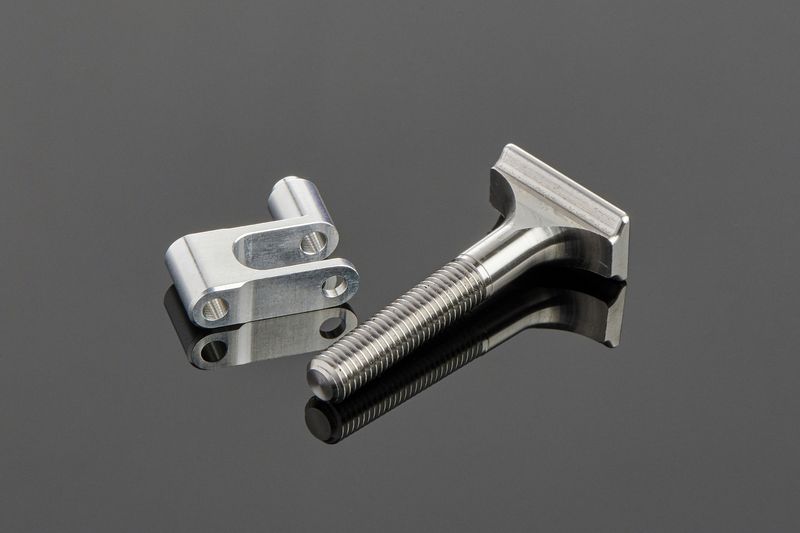
swiss turn parts
When it comes to precision, nothing really beats Swiss turn parts. These small but insanely accurate components pop up everywhere, from your car to surgical tools. The short answer is that any industry that can’t tolerate sloppy tolerances leans on Swiss turning. But let’s dig deeper, because not all precision parts are created equal, and Swiss turn parts bring some serious advantages that keep engineers and manufacturers coming back for more.
Medical and Dental Devices
Let’s start with the obvious one—healthcare. Medical instruments, surgical implants, and even tiny dental tools all need extreme accuracy. A millimeter off in these applications can literally be catastrophic. That’s why hospitals and device makers depend on Swiss turn parts—they’re consistent, precise, and capable of producing complex geometries that conventional turning just struggles with. Think pacemaker components, bone screws, and endoscopic tools. Swiss machining here isn’t optional; it’s survival.
Aerospace and Aviation
Next up, aerospace. These guys are brutal when it comes to tolerances and part reliability. You can’t have a bolt failing mid-flight. Swiss turn parts are perfect because they handle tiny diameters, tight tolerances, and long, thin features without bending or warping. Landing gear assemblies, fuel system fittings, aircraft fasteners—you name it, Swiss machining dominates. And yeah, the cost is higher, but the tradeoff is absolute reliability, which in this field isn’t negotiable.
Automotive Components
Cars may not seem like high-stakes as planes or medical gear, but in reality, they are. Especially in high-performance or electric vehicles. Think fuel injectors, transmission shafts, precision sensors. Swiss turn parts allow car manufacturers to hit tolerances repeatedly, which is crucial when millions of units are rolling off assembly lines. The short answer? Without Swiss machining, your car’s critical small components might fail sooner, which nobody wants.
Electronics and Telecommunications
Now, tech gear. Smartphones, laptops, wearable devices—they’re packed with tiny components that have zero room for error. Swiss turn parts come into play with connectors, miniature screws, antenna parts, and housings that need perfect repeatability. The tech sector loves these parts because Swiss machining can churn out small diameters and high-precision threads that conventional turning can’t touch, keeping devices slim, light, and functional.
Defense and Firearms
Defense is another sector where precision isn’t negotiable. Firearm components, weapon mounts, optical sighting parts, even aerospace-related defense hardware—Swiss turn parts handle intricate designs under extreme tolerances. And let’s be real, in this world, there’s zero room for mistakes. Swiss machining keeps parts uniform and reliable, which is why manufacturers in this field swear by it.
Industrial Equipment and Robotics
Moving to something a little less flashy but equally critical—industrial machinery. Robotics, automation arms, CNC machinery components—all of these rely on small, repeatable, durable parts. Swiss turn parts are favored because they allow for continuous production of complex shapes, with minimal risk of warping or deviation. If you’ve ever seen a robotic arm misalign because of a poorly machined joint, you know why precision is worth the investment.
Energy and Electronics Manufacturing
Energy production—think turbines, valves, pumps. They rely on small precision fittings that can handle extreme temperatures, high pressure, and constant motion. Swiss turn parts are perfect for these harsh conditions because the process keeps the metal stress minimal, parts uniform, and features exact. Solar panel connectors, oilfield equipment, even micro-hydro valves—they all benefit from Swiss machining. Reliability here isn’t just preferred—it’s critical.
Why Swiss Turn Parts Matter Across Industries
The truth is, Swiss turn parts aren’t just about making tiny things—they’re about consistency and repeatability across industries where failure isn’t an option. The key selling point? Swiss machining produces long, slender, complicated parts without bending, while still keeping tolerances tight. It’s why medical, aerospace, automotive, tech, defense, and industrial equipment makers all invest in it. They need parts that work exactly the same every time, in high volumes, and that’s exactly what Swiss turning delivers.
Conclusion
So, which industries lean on Swiss turn parts the most? Medical, aerospace, automotive, electronics, defense, industrial, and energy sectors. The common thread is this: when precision, reliability, and repeatability matter, Swiss machining is the go-to solution. Sure, it costs more than traditional turning methods, but the peace of mind and the reduced risk of failure pay off big time. Swiss turn parts might be small, but in the industries that rely on them, their impact is huge—literally keeping machines, devices, and lives running smoothly.