Plywood is one of the most important and widely used materials in construction and furniture making today. From homes and offices to interior décor and DIY projects, plywood offers strength, durability, and versatility that solid wood alone cannot always provide. Understanding what plywood is, how it differs from other wood products, and where it is best used can help you make smarter decisions for your projects.
In this guide, we’ll explore plywood in simple terms, including its types, grades, common uses, and how a plywood calculator can help you plan accurately and reduce waste.
What Is Plywood?
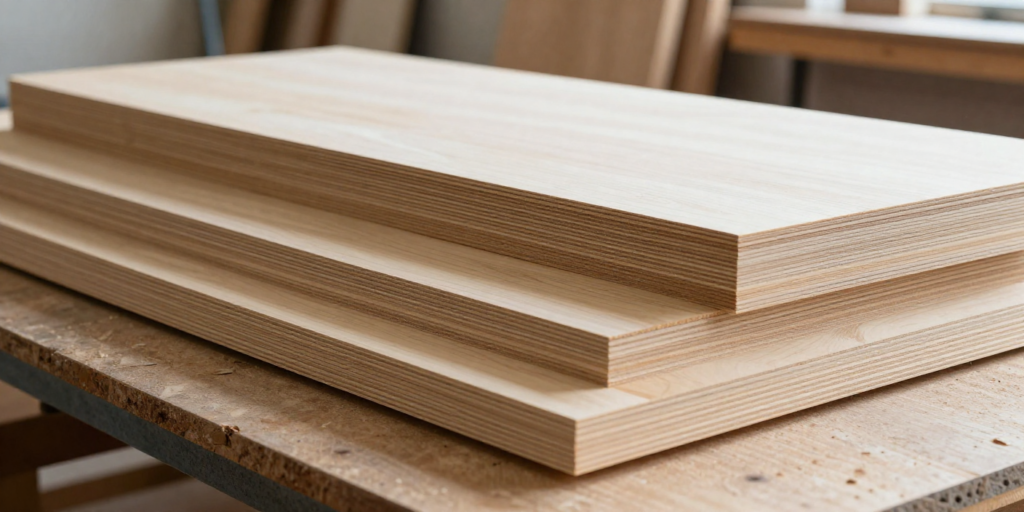
Plywood is an engineered wood product made by bonding multiple thin layers of wood, known as veneers, together. These layers are arranged so that the grain direction of each layer runs perpendicular to the one above and below it. This cross-grain structure is what gives plywood its remarkable strength and stability.
Unlike solid wood, which can shrink, swell, or crack due to moisture and temperature changes, plywood remains relatively stable. This makes it an excellent choice for areas where durability and consistency are essential.
How Plywood Is Manufactured
The process of making plywood begins with carefully selected logs, which may come from softwood or hardwood trees depending on the intended use. These logs are rotated against sharp blades to peel thin sheets of veneer. The veneers are then dried to remove excess moisture before being layered together.
Each veneer layer is placed so that its grain runs in the opposite direction to the adjacent layers. Strong adhesives and heat are applied to bond the layers under pressure. Finally, the plywood sheets are trimmed, sanded, and inspected to ensure uniform thickness and quality. This controlled manufacturing process results in a product that is both strong and reliable.
Main Types of Plywood
Plywood comes in different types, each designed for specific applications. Softwood plywood is commonly used in construction projects such as roofing, flooring, and wall sheathing. It is valued for its strength, affordability, and structural performance.
Hardwood plywood, on the other hand, is made from woods like oak, birch, or maple. It has a smoother and more attractive surface, making it ideal for furniture, cabinetry, and interior finishes where appearance matters.
Marine plywood is specially manufactured to resist moisture and humidity. It uses high-quality veneers and waterproof adhesives, making it suitable for boats, docks, and areas exposed to water. Exterior plywood is also designed for outdoor use, though it may still require surface protection to extend its lifespan.
There is also flexible plywood, which is designed to bend easily without cracking. This type is often used in curved furniture, decorative panels, and creative architectural designs.
Understanding Plywood Grades
Plywood grades indicate the quality and appearance of the surface veneers. Higher grades are smoother and more visually appealing, while lower grades may contain knots, patches, or visible imperfections.
Grade A plywood has a clean, smooth surface with no visible defects, making it suitable for high-end furniture and visible areas. Grade B may have minor imperfections but still offers a good surface for painting. Grade C and D plywood are more economical and are commonly used for structural purposes where appearance is not important.
Plywood sheets are often labeled with two grades, such as A-B or C-D, showing the quality of the front and back faces.
Common Uses of Plywood
Plywood’s strength and adaptability make it suitable for a wide range of uses. In construction, it is commonly used for subfloors, roof decking, wall panels, and concrete formwork. Its ability to handle loads and resist movement makes it a dependable building material.
In furniture making, plywood is used to create beds, wardrobes, tables, and cabinets. Its uniform surface and stability make it easier to work with compared to solid wood. Interior designers also use plywood for wall cladding, ceilings, partitions, and modern decorative elements.
Plywood is equally popular for DIY projects. Homeowners often use it for shelving, storage units, workbenches, and custom home décor, thanks to its ease of cutting and shaping.
Why Plywood Is Better Than Solid Wood in Many Cases
One of the biggest advantages of plywood is its dimensional stability. Because of its layered construction, it is far less likely to warp or crack. Plywood also provides excellent strength while using less wood, making it a more efficient and cost-effective option.
Additionally, plywood is available in large sheet sizes, which reduces the number of joints needed in construction or furniture projects. This not only improves strength but also enhances the final appearance.
Choosing the Right Plywood Thickness
Selecting the correct plywood thickness is crucial for safety and performance. Thinner sheets are suitable for decorative work and light applications, while thicker plywood is required for flooring, structural support, and load-bearing surfaces.
To avoid guesswork, many professionals rely on a plywood calculator.
What Is a Plywood Calculator?
A plywood calculator is a helpful tool that estimates how many plywood sheets you need based on your project dimensions. By entering the length, width, and thickness requirements, the calculator provides an accurate material estimate and helps prevent overbuying or shortages.
Using a plywood calculator not only saves time but also reduces material waste and improves cost planning, making it especially useful for construction projects and large renovations.
Final Thoughts
Plywood is a versatile, durable, and cost-effective material that plays a vital role in modern construction and woodworking. By understanding its types, grades, and applications, you can choose the right plywood for your specific needs and achieve better results.
Whether you are a professional builder, furniture maker, or DIY enthusiast, combining the right plywood selection with tools like a plywood calculator ensures efficient planning, reduced waste, and long-lasting performance.
Frequently Asked Questions About Plywood
Plywood is made from thin layers of wood veneer that are glued together with each layer’s grain running in opposite directions. This structure improves strength and reduces warping.
Plywood’s cross-grain construction distributes stress evenly across layers, making it more stable and less likely to crack, shrink, or bend compared to solid wood.
The main types include softwood plywood, hardwood plywood, marine plywood, exterior plywood, and flexible plywood, each designed for specific uses.
Hardwood plywood is best for furniture because it has a smooth surface, attractive finish, and good durability for cabinets, tables, and wardrobes.
Grade A is best for visible surfaces, Grade B is suitable for painting, and Grades C and D are commonly used for structural or hidden applications.
Standard plywood is not waterproof, but marine plywood and exterior plywood are made with waterproof adhesives and are suitable for moist or outdoor environments.
The required thickness depends on the project. Thin plywood works for decoration, while thicker sheets are needed for flooring, furniture, and load-bearing structures.
A plywood calculator helps estimate how many plywood sheets are needed based on project dimensions, reducing waste and improving cost planning.
Yes, exterior and marine plywood are suitable for outdoor use, but they should still be properly sealed or finished to extend their lifespan.
Plywood is considered eco-friendly because it uses thin layers of wood efficiently, reducing waste compared to solid wood products.