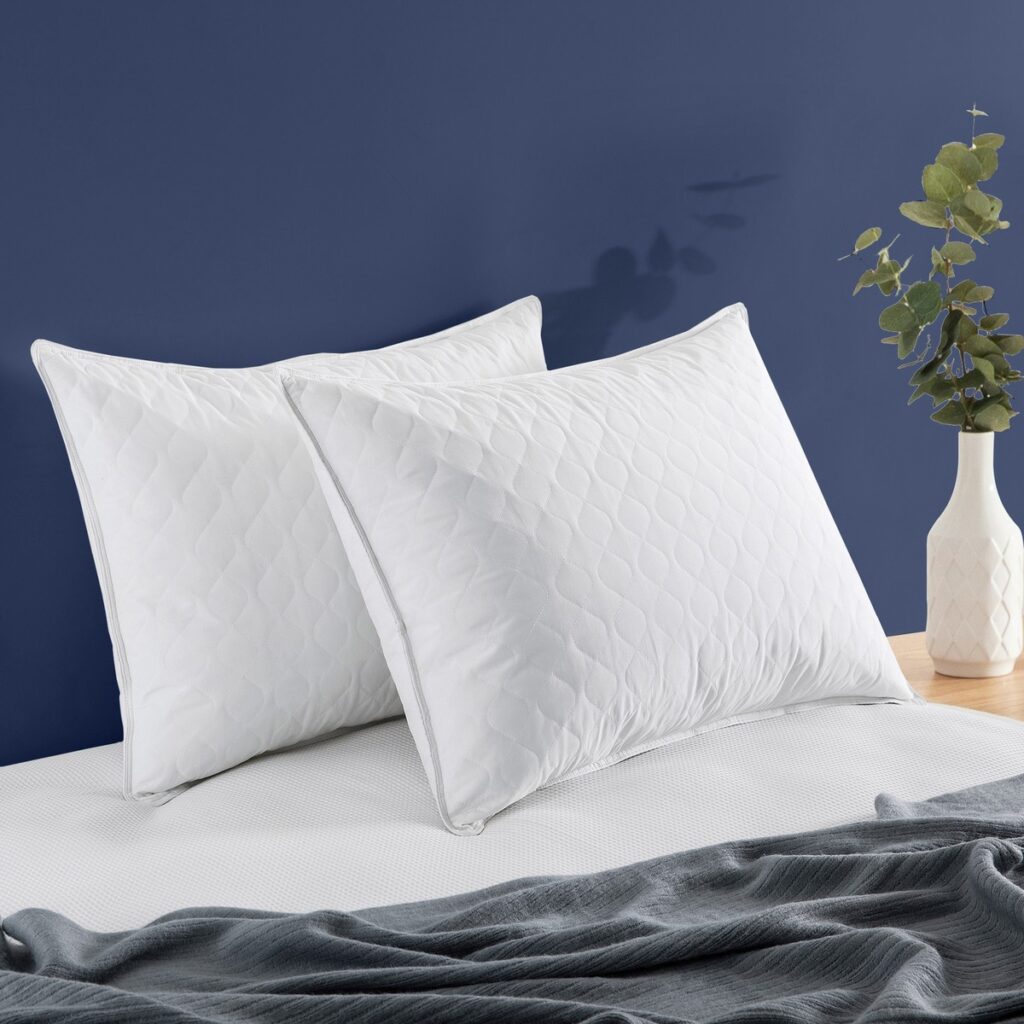
Luxury pillow cases for hospital use greatly improve patient comfort and satisfaction. A pillow case affects more than appearance—it impacts skin health, rest quality, and recovery efficiency. Hospitals must balance hygiene with comfort, selecting materials that are soft, breathable, and durable. Proper material choices support patient well-being while withstanding frequent washing and sterilization. Comfortable, hygienic bedding helps reduce irritations, maintain cleanliness, and create a restful environment. Thoughtful selection enhances both patient experience and operational efficiency in healthcare facilities.
Cotton: The Classic Choice
Cotton remains a preferred material for hospital pillow cases due to its natural softness and breathability. Air circulates easily, preventing heat accumulation and reducing perspiration. Cotton is hypoallergenic, minimizing skin irritation risks for patients with sensitive skin. High-quality cotton withstands repeated high-temperature washing, essential for infection control in healthcare settings. Hospitals can choose from various weaves such as percale or sateen, balancing durability with softness. Cotton pillow cases maintain a professional appearance, support hygiene, and provide comfort. Their versatility makes them suitable for most hospital departments.
Polyester: Durable and Affordable
Polyester is popular in hospitals for its durability, affordability, and easy maintenance. It resists wrinkles, shrinks minimally, and retains shape over multiple washes. Quick-drying properties streamline laundry routines, saving time and resources. Polyester blends with cotton combine the softness of natural fibers with synthetic strength. This results in pillow cases that are easy to maintain, cost-effective, and long-lasting. While slightly less breathable than cotton, polyester meets the functional requirements of general wards, keeping bedding neat and hygienic. Its ability to withstand frequent laundering makes it a reliable choice for hospitals.
Cotton-Polyester Blends: The Best of Both Worlds
Cotton-polyester blends combine the comfort of cotton with the durability of polyester. Cotton ensures softness and breathability, while polyester prevents shrinkage and adds strength. These blends tolerate frequent hospital laundering without losing texture or color. Some fabrics come with stain-resistant finishes, ideal for medical environments. Blends require less ironing and resist wrinkling, saving time for hospital staff. Patients enjoy soft, smooth bedding, while hospitals benefit from durability and easy maintenance. This combination ensures bedding longevity, hygiene, and comfort, making it a practical solution for busy healthcare settings.
Microfiber: Soft and Smooth
Microfiber pillow cases are made from finely woven synthetic fibers, offering a silky texture that is gentle on sensitive skin. Its tightly woven structure prevents dust mites and enhances hygiene, which is critical in hospitals. Microfiber dries quickly, resists wrinkles, and tolerates repeated laundering. While less breathable than cotton, it provides warmth in cooler rooms and feels smooth against the skin. Microfiber is lightweight, durable, and maintains a clean, polished appearance. Its easy-care nature makes it suitable for wards where quick turnaround and efficient cleaning are priorities.
Bamboo: Eco-Friendly and Hypoallergenic
Bamboo fabric combines softness, breathability, and natural antibacterial properties. Its moisture-wicking qualities keep patients dry and comfortable, while hypoallergenic features suit sensitive skin. Bamboo adapts well to warm and cool environments, maintaining comfort across varying hospital climates. Sustainable sourcing aligns with eco-conscious hospital practices. Although slightly more expensive, bamboo pillow cases offer superior comfort for patients with allergies or skin sensitivities. Its combination of performance, hygiene, and environmental friendliness makes bamboo a valuable option for healthcare facilities seeking quality bedding that supports patient care.
Silk: Luxury and Gentle Touch
Silk pillow cases provide exceptional softness and a luxurious feel. The smooth fibers reduce friction, helping prevent bedsores for patients with limited mobility. Silk regulates temperature effectively, keeping patients warm in cool rooms and cool in warmer settings. Maintenance is delicate, so silk is typically used in specialized care areas focused on patient comfort. Despite higher care requirements, silk enhances the perceived quality of hospital rooms. Using silk selectively adds a premium touch to bedding, ensuring patients with delicate skin or specific needs enjoy a gentle, comfortable resting surface.
Key Features to Consider in Hospital Pillow Materials
Softness is critical to patient comfort, especially for sensitive skin. Durability ensures fabrics withstand frequent laundering and daily wear. Breathability reduces sweat accumulation and overheating. Hypoallergenic properties lower the risk of irritation and allergic reactions. Moisture-wicking fibers keep patients dry and comfortable. Ease of maintenance supports hospital hygiene standards, while cost-effectiveness balances quality with operational budgets. Selecting materials with these features ensures hospitals maintain clean, comfortable bedding, meeting both patient needs and logistical demands efficiently.
Hygiene and Laundering Considerations
Hospital pillow cases must tolerate rigorous washing routines to prevent infection. Materials should handle high temperatures and strong detergents without losing shape, softness, or color. Cotton, cotton blends, polyester, and microfiber are best suited for these demands. Antimicrobial coatings provide additional protection. Resistant fabrics reduce replacement frequency and save costs. Proper laundering keeps pillow cases sanitary, soft, and safe for patient use over extended periods. Maintaining high hygiene standards is essential for patient safety, comfort, and overall hospital efficiency.
Choosing Materials Based on Patient Needs
Patient comfort depends on age, skin sensitivity, and medical conditions. Soft, breathable fabrics like cotton and bamboo suit sensitive or allergy-prone patients. High-thread-count cotton or silk is appropriate for friction-prone areas to prevent discomfort. Polyester blends and microfiber meet the needs of general wards with high usage and frequent laundering. Thoughtful material selection allows hospitals to customize bedding for comfort, hygiene, and efficiency. Ensuring the right material aligns with patient needs improves rest quality and recovery, enhancing overall hospital care standards.
Conclusion
Hospital pillow cases must strike a balance between comfort, hygiene, and cost. Luxury pillow cases for hospital use improve patient satisfaction and rest quality. Cotton, polyester, microfiber, bamboo, and silk each offer unique advantages for specific applications. Prioritizing softness, breathability, and laundering resilience ensures patients enjoy restful sleep while staff manage bedding efficiently. Thoughtful selection of pillow materials creates a healthier, more comfortable environment that supports recovery, enhances hygiene, and maintains operational efficiency for hospitals.