Understanding Lipomas
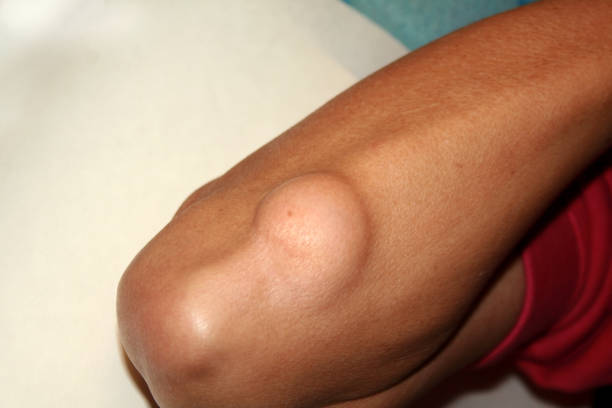
Lipomas are soft, movable lumps that form under the skin, often in areas like the shoulders, back, neck, and arms. They typically grow slowly and are painless, though they may occasionally become noticeable due to size or appearance. Lipomas are non-cancerous and rarely cause serious medical issues, which is why treatment is often optional.
Awareness of what lipomas are helps individuals set realistic expectations regarding management options. Most lipomas do not require intervention unless they cause discomfort, mobility issues, or cosmetic concerns.
The Reality About Natural Approaches
Many people search for natural methods to treat lipomas, hoping for a solution that avoids medical procedures. It is important to recognize that there are currently no natural remedies scientifically proven to remove or shrink lipomas. Claims suggesting otherwise are not supported by research, and relying on them may delay proper management.
Focusing on natural strategies does not mean treating the lipoma directly but rather supporting overall health, monitoring changes, and making lifestyle choices that help manage the condition safely.
Monitoring and Observation
Observation is a natural and effective way to manage lipomas. Small, painless lipomas can remain stable for years without intervention. Regular monitoring ensures that any changes in size, firmness, or symptoms are detected early, allowing appropriate action when necessary.
Monitoring is particularly useful for lipomas that are not causing discomfort or limiting daily activities. Adults can maintain their normal routines while keeping an eye on any changes in the growth.
Lifestyle Considerations for Managing Lipomas
Although lifestyle measures cannot directly remove lipomas, adopting healthy habits can support overall tissue health and general wellness. Maintaining a balanced diet, regular physical activity, and a healthy body weight contributes to overall well-being. These measures do not shrink lipomas but may help reduce additional fat accumulation and support metabolic health.
Avoiding trauma or repeated pressure to areas with lipomas can help prevent irritation and minor discomfort. This natural approach allows individuals to manage lipomas in a safe, non-invasive way while continuing daily life without restrictions.
Minimally Invasive Options
While surgery is the most definitive method for removing lipomas, certain minimally invasive procedures exist that reduce the size of lipomas without major incisions. These approaches can be considered natural-adjacent strategies since they involve less disruption than traditional surgery.
Minimally invasive methods may provide cosmetic improvement and relieve mild discomfort, particularly for smaller lipomas. However, they do not guarantee permanent removal, and monitoring is still important.
When to Seek Active Management
Even when focusing on natural approaches, some lipomas may require intervention. Lipomas that grow rapidly, become painful, or interfere with mobility are candidates for treatment. Adults can combine natural management strategies like observation and lifestyle optimization with medical evaluation if needed.
Early monitoring allows individuals to act promptly without relying on unproven remedies. This ensures safety and avoids unnecessary complications.
Myths About Natural Lipoma Remedies
A common misconception is that herbal treatments, dietary supplements, or topical applications can eliminate lipomas. There is no clinical evidence to support these claims. Understanding this prevents individuals from wasting time on ineffective methods and encourages reliance on safe, proven strategies such as monitoring, lifestyle management, and, if necessary, minimally invasive procedures.
Another myth is that lipomas will always grow if left alone. Many lipomas remain small and stable over time, making natural observation a valid strategy for long-term management.
Frequently Asked Questions
Can lipomas be treated naturally without intervention?
Lipomas cannot be eliminated naturally. Observation and healthy lifestyle habits are the safest natural approaches, allowing monitoring and early action if the lipoma changes.
Do diet and exercise remove lipomas?
Diet and exercise support overall health but do not remove existing lipomas. Maintaining a healthy weight may prevent additional fat accumulation.
Are there natural techniques to reduce lipoma size?
Currently, no natural techniques have been scientifically proven to shrink lipomas. Minimally invasive procedures may reduce size but are not purely natural remedies.
When should lipomas be treated actively?
Treatment is recommended for lipomas that grow rapidly, cause discomfort, or interfere with daily life. Safe management starts with observation and lifestyle support.
Can lipomas disappear on their own?
Lipomas rarely disappear spontaneously. Many remain small and stable for years without causing issues, which makes monitoring a safe approach.
Is it safe to leave lipomas untreated?
Yes, most lipomas are harmless and can be safely monitored. Active treatment is only necessary if symptoms develop or the growth becomes cosmetically concerning.
Conclusion
While natural remedies cannot cure or remove lipomas, adults have safe strategies to manage them without surgery. Observation, monitoring, and lifestyle measures like maintaining health and avoiding irritation are effective ways to manage lipomas naturally.
Minimally invasive procedures offer an option for those seeking reduction without major surgery, but these approaches still require monitoring. Understanding the limits of natural approaches helps individuals make informed decisions while maintaining health and comfort.