When a child struggles to speak clearly, pauses often, or avoids talking in front of others, it can leave parents feeling worried and unsure. Relatives may say “they’ll catch up,” while online searches push a hundred different answers. In the middle of this noise, the choice of support really matters. The right care from the Best Speech Therapist in Delhi can help communication grow in a calm, steady way instead of through pressure and fear. At the same time, a rushed decision can waste time and tire everyone out. This article will go over what parents should think about before they choose any long-term communication support.
Watching Everyday Moments More Closely
Before you book an appointment, take a week to simply observe. Notice how your child talks at home, in class, and with friends. Do they rely on pointing instead of words? Do they talk freely with close family but turn quiet around others? Are there sounds or words they always avoid? Jot a few examples in your phone. When you share these real situations with experienced professionals, they can build a clearer picture than they would get from short test tasks alone. This also helps you feel prepared instead of walking in blank.
First Impressions inside the Therapy Room
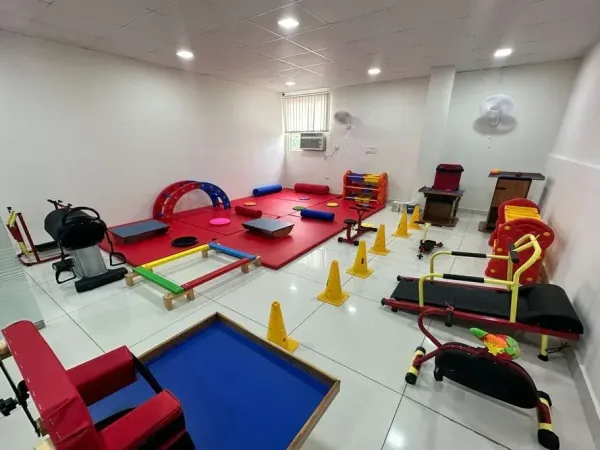
The first visit tells you more than any brochure. When you walk into a Speech Therapy Centre in Delhi, look at how your child is greeted. Does the space feel warm, clean, and child-friendly, or stiff and tense? Are there toys, books, and pictures that invite relaxed interaction? During the meeting, listen to how clearly the specialist explains things. You should understand the plan without needing a medical dictionary. If your child slowly relaxes and begins to join simple games or tasks that comfort is a strong sign that trust can grow over time.
How Important Is Family Involvement?
Good communication help works best when caregivers are part of the process, not just silent observers in the hallway. Ask how often you will get updates, and what types of home activities are suggested. Guidance that includes child-friendly Speech Therapy in Delhi, usually offers short, playful tasks that fit into daily life: naming items while cooking, practicing sounds during story time, or using simple phrases while playing games. When practice blends into normal routines, families are more likely to stay consistent. This steady effort matters far more than rare, intense bursts of work that quickly fade.
Matching the Plan with Your Real Schedule
A brilliant method on paper will not help if it clashes with your week. Think honestly about travel time, school hours, other activities, and your own work. Ask how many sessions are recommended at the start, how long each will last, and what happens if your child is ill or exams come up. The team providing care should be willing to shape a schedule that you can actually follow. A realistic rhythm supports progress and reduces stress, while an impossible timetable only adds guilt when you inevitably miss visits.
Looking at Approach, Records, and Feedback
Before you commit, ask what kinds of techniques are used and how progress is tracked. Does the specialist rely only on repetition, or do sessions mix play, pictures, conversation, and real-life tasks? Are goals written in plain language so you can follow them? Centres offering this kind of help should keep notes that show small gains, not just big milestones. Regular feedback—through quick chats, written updates, or review meetings—helps you understand what is working, what needs adjustment, and how you can support change at home without feeling lost.
Conclusion
Choosing support for your child’s communication is more than ticking a box; it is about finding people who understand your child, listen to you, and respect the limits of your daily life. When you pay attention to everyday communication, first impressions, family role, practical scheduling, and clear feedback, you stand a much better chance of choosing help that truly fits. Care shaped at the right services should leave you feeling calmer and more hopeful, with a clear sense of the next steps rather than a swirl of doubt.
Babblz India supports families on this path through child-friendly environments, trained communication specialists, and plans that blend proven methods with play. The team values parent input adjusts strategies as each child grows, and coordinates with schools when it can support progress. In doing so, Babblz India helps children move toward clearer expression, stronger confidence, and more relaxed conversations at home and in the classroom.
This article was originally published by tumblr.com. Read the original article here.