Custom apparel demand keeps shifting fast. One month it’s cotton tees, next it’s performance blends. Many printing methods struggle to keep up with that variety. That’s exactly where DTF printing equipment is gaining attention.
It gives businesses flexibility without adding complexity. If you run a print shop or plan to start one, understanding this shift can save time, reduce waste, and open new revenue streams.
This post breaks down why more brands are moving toward DTF and how it fits into modern production workflows.
What’s driving the shift toward DTF in modern printing
The apparel market now demands speed, variety, and consistency. Traditional methods still work well, but they often require setup time and material limitations. In contrast, DTF printing equipment simplifies production while expanding possibilities.
Here’s what’s changing. Customers want short runs, custom orders, and fast delivery. Businesses cannot afford long setup cycles for every new design. DTF solves this by allowing you to print transfers in advance and apply them when needed. That flexibility reduces downtime between jobs.
At the same time, fabric diversity continues to grow. Cotton, polyester, blends, and stretch materials all behave differently. DTF handles these variations with fewer adjustments. That means fewer errors and more consistent results across product lines.
Another factor involves space and staffing. Many systems now operate within compact setups and require minimal manpower. This makes DTF especially attractive for small to mid-sized operations aiming to scale efficiently.
How DTF printing equipment simplifies multi-fabric production
- One major advantage of DTF printing equipment lies in its adaptability. You no longer need separate processes for different fabrics. Instead, you can produce transfers that work across multiple garment types.
- This matters because switching between materials usually slows production. Screen setups, ink changes, and curing adjustments take time. With DTF, you prepare transfers once and apply them across different items as needed.
- Modern systems also deliver sharp detail and strong color output. High-quality prints maintain clarity even on textured or stretchy fabrics. This consistency helps brands maintain visual identity across their product range.
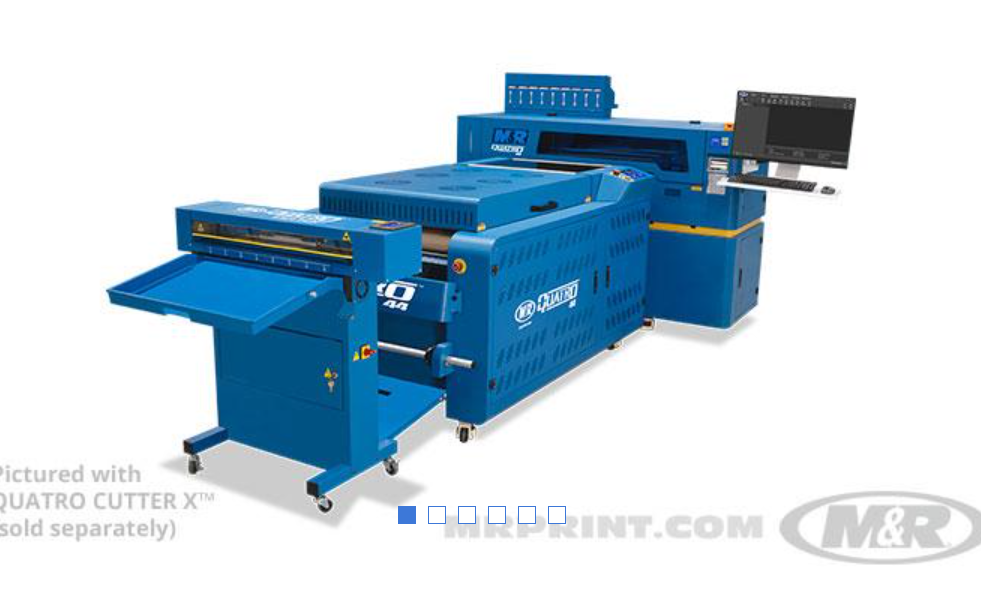
For example, systems like the Quatro 44™ Direct to Film Transfer setup focus on color accuracy and detail precision. They also support a wide range of materials, including cotton, blends, and synthetic fabrics. That level of compatibility reduces trial-and-error during production.
In addition, the ability to operate within a compact space makes these systems practical. You can run efficient production without expanding your facility. That balance between flexibility and efficiency explains why adoption continues to grow.
Speed and efficiency gains that impact daily operations
Production speed often determines profitability. Delays create bottlenecks, and bottlenecks increase costs. DTF printing equipment addresses this by streamlining multiple steps into a more controlled workflow.
- You can produce transfers in batches. This allows you to separate printing from the application.
- While one set of transfers cures, another batch can start immediately. That parallel workflow improves output without increasing effort.
- Setup time drops significantly. Traditional methods may require screen preparation and alignment for each design. DTF reduces that dependency. Once your design file is ready, you move directly into printing.
Let’s compare common workflows:
| Process Type | Setup Time | Fabric Flexibility | Production Speed |
| Screen Printing | High | Limited per setup | Moderate |
| Heat Transfer Vinyl | Moderate | Flexible | Slower for bulk |
| DTF Printing | Low | Highly flexible | Fast and scalable |
Shops that switch to DTF often notice faster turnaround within weeks. Faster production means more orders completed without extending working hours. Over time, this efficiency improves overall business performance.
Why small and mid-sized brands prefer DTF setups
Smaller brands often face tight budgets and limited space. They need solutions that deliver results without heavy investment. DTF printing equipment fits this requirement well.
- One key benefit is reduced labor dependency. Many systems operate with a single operator. This lowers staffing requirements while maintaining output levels. For growing businesses, that efficiency matters.
- Another advantage involves the learning curve. Compared to traditional methods, DTF processes feel simpler. Operators can learn faster and make fewer errors during the early stages.
- Additionally, maintenance remains manageable. Since the process avoids complex screen setups, cleaning and upkeep take less time. This allows teams to focus more on production and less on preparation.
There’s also a financial angle. Because DTF supports multiple fabrics and product types, businesses can expand offerings without investing in separate systems. That flexibility creates new revenue opportunities without increasing operational complexity.
Real-world use: Compact systems changing production setups
Modern DTF solutions now focus on efficiency and usability. Systems like the Quatro 44™ highlight this shift clearly. They deliver vibrant output while operating in under 200 square feet of space. For many shops, that compact footprint changes how production areas are designed.
Instead of large, segmented workflows, businesses can centralize operations. Printing, curing, and transfer processes stay within a smaller, controlled environment. This improves coordination and reduces unnecessary movement.
Another practical benefit involves consistency. When systems maintain stable performance, operators spend less time adjusting settings. That reliability helps maintain output quality across different jobs.
As technology continues to improve, compact and efficient systems will likely define the next phase of apparel production.
FAQs
What makes DTF different from traditional printing methods?
DTF focuses on printing transfers instead of printing directly on garments. This allows you to apply designs later, which improves flexibility. It also reduces setup time between jobs. As a result, production becomes faster and more adaptable.
Is DTF suitable for small businesses?
Yes, DTF works well for small operations. It requires less space and fewer operators compared to traditional setups. Many systems fit into compact work areas. This makes it easier for new businesses to start production.
Can DTF handle different fabric types?
DTF works across various materials, including cotton and polyester. It also performs well on blends and stretch fabrics. This reduces the need for multiple printing methods. Businesses can expand product offerings easily.
How does DTF impact production speed?
DTF improves speed by reducing setup time. You can print transfers in advance and apply them when needed. This allows parallel workflows during production. Faster turnaround helps meet tight deadlines.
Is maintenance complicated for DTF systems?
Maintenance remains relatively simple compared to traditional methods. There are fewer components, like screens, to manage. Regular cleaning keeps the system running smoothly. This reduces downtime and improves efficiency.
Conclusion
DTF continues to grow because it solves real production challenges. It simplifies workflows, supports multiple fabrics, and improves turnaround times. For many apparel brands, it offers a practical path to scaling without adding complexity.
If you want to stay competitive in 2026, it makes sense to evaluate how DTF fits into your setup. Focus on flexibility, efficiency, and long-term usability. Explore modern solutions, review your production needs, and take the next step toward a smarter printing process.