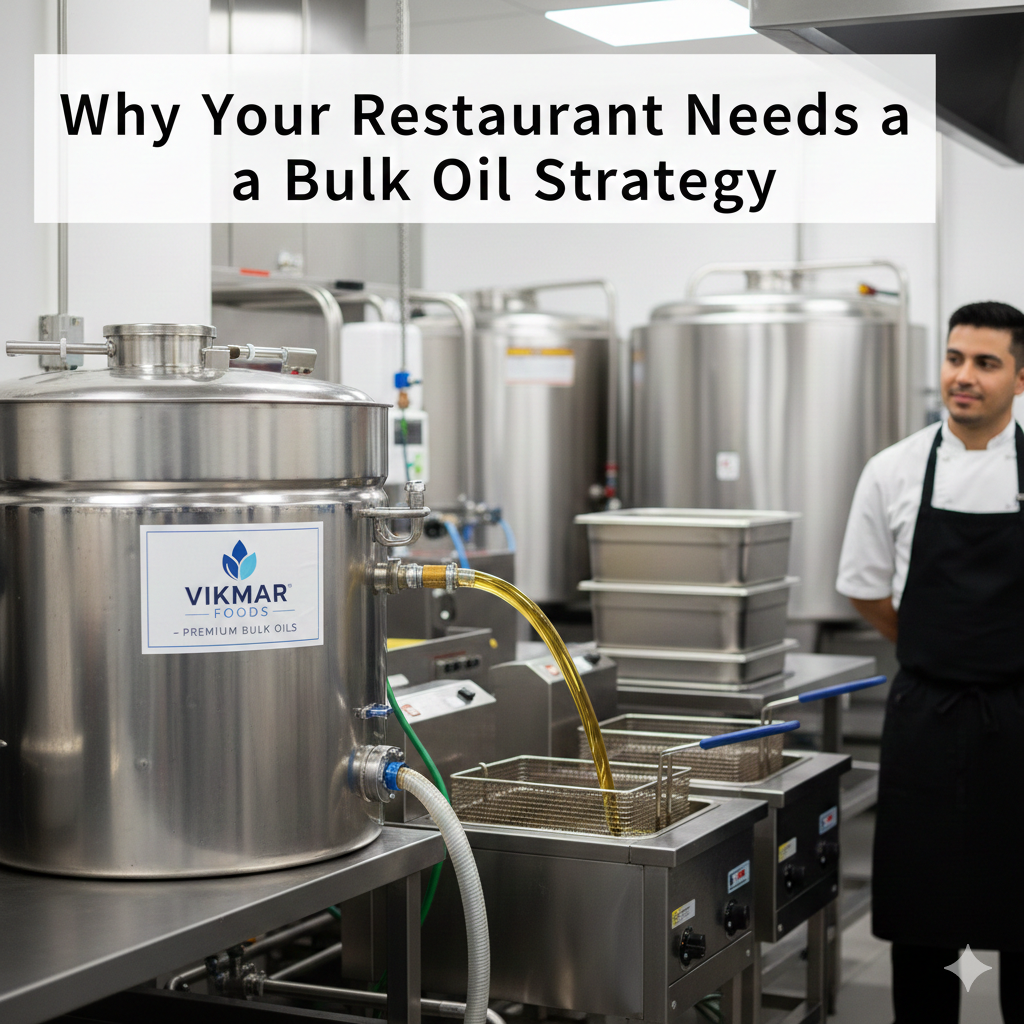
In the fast-paced world of professional kitchens, we often obsess over the “hero” ingredients; the Wagyu beef, the heirloom tomatoes, or the artisanal cheeses. But there is a silent workhorse that touches nearly every plate, influences every flavor profile, and, if managed poorly, can quietly drain your profit margins: Bulk Vegetable Oil.
As we navigate 2026, the global edible oil market is more volatile than ever. Supply chain shifts and fluctuating import costs mean that “buying by the bottle” is no longer just a minor inconvenience; it’s a strategic error.
Here is why your restaurant needs to move past the grocery-store mindset and implement a professional bulk oil strategy.
1. Shielding Your Margins from Volatility
Operating a restaurant in 2026 requires a defensive financial posture. When you buy oil in small retail containers or even standard cases, you are paying for the plastic, the labeling, and the individual handling of every liter.
A bulk strategy allows you to lock in pricing and benefit from the “volume discount.” By moving to larger formats—like the 1,000L IBC totes or 205L drums—you reduce the price per gallon significantly. This creates a buffer that protects your menu prices even when the commodity market takes a sudden swing.
2. Superior Quality and Consistency
The greatest enemies of oil are light, heat, and oxygen. Small bottles, frequently opened and left near hot line stations, degrade rapidly. This lead to “off-flavors,” high free fatty acid (FFA) levels, and a lower smoke point that results in greasy, unappealing food.
A bulk strategy utilizes specialized storage solutions that keep the oil in a cool, dark, and airtight environment. Brands like Vikmar Foods have perfected this by offering high-oleic canola and specialty blends in oxygen-shielded packaging, ensuring that the last drop used is as fresh and neutral as the first.
3. The “Invisible” Labor Savings
Every time a line cook stops to break down a cardboard box, unscrew a plastic cap, and dispose of a small jug, your labor efficiency drops. In a high-volume kitchen, those seconds add up to hours over a month.
Bulk systems; especially those utilizing pump-and-hose setups or easy-pour vats—eliminate the clutter of “jug-in-box” waste. Your staff stays focused on the plate, not the recycling bin.
4. Sustainability That Actually Matters
Modern diners are increasingly conscious of a restaurant’s carbon footprint. Shifting to bulk isn’t just a cost-saving move; it’s a massive win for your sustainability goals.
-
Waste Reduction: One IBC tote replaces over 60 standard jugs and boxes.
-
Lower Emissions: Fewer shipments mean less fuel consumption across the supply chain.
-
Recycling Integration: Bulk strategies often include a closed-loop system for collecting used cooking oil (UCO) for biodiesel, turning your waste into a renewable resource.
Final Thoughts: The Strategic Pivot
If you are still ordering oil as a “reactive” inventory item, you are leaving money on the table. A true bulk strategy integrates procurement, storage, and waste management into a single, streamlined process. It ensures your fried chicken is crispier, your vinaigrettes are cleaner, and your bottom line is stronger.