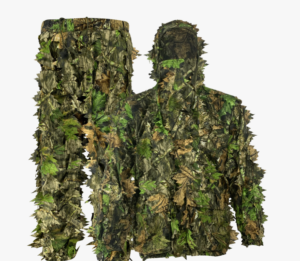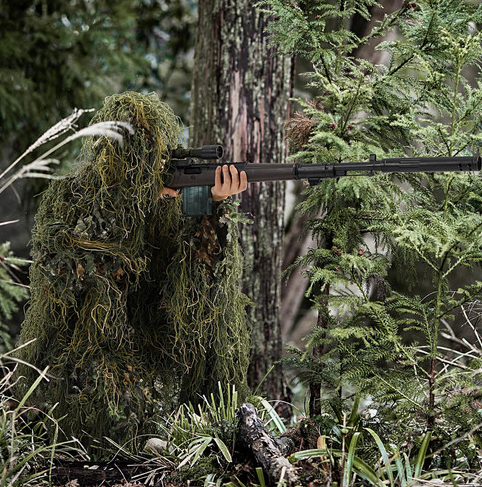
Choosing suitable clothing is an important part of preparing for time in the outdoors. A 3D Outfitter leafy suit combines a camouflage pattern with three-dimensional leafy elements designed to create a more irregular visual profile in natural environments. For hunters, wildlife observers, photographers, and outdoor enthusiasts, this type of clothing can provide useful coverage while allowing comfortable movement through vegetation. Unlike ordinary camouflage garments that rely mainly on printed patterns, leafy designs introduce additional texture that can complement surroundings such as woodland, brush, grass, and dense foliage.
The growing interest in specialized hunting apparel reflects the needs of people who spend extended periods outdoors. A 3D Outfitter leafy suit can be particularly practical for users who need lightweight outerwear that provides visual disruption without excessive bulk. However, choosing suitable camouflage involves more than selecting an attractive pattern. Terrain, season, material, fit, breathability, durability, and freedom of movement all influence whether a garment is appropriate for a particular outdoor activity. Understanding these factors allows buyers to make a more informed choice and build a practical field clothing system.
Understanding 3D Leafy Camouflage
Three-dimensional camouflage is designed to add physical texture to an otherwise conventional camouflage garment. The leafy components can create irregular shapes around the wearer, helping reduce the uniform appearance of the human silhouette against vegetation. This can be especially relevant in environments where leaves, grasses, branches, and shadows naturally create complex visual backgrounds. The effectiveness of any camouflage garment depends heavily on the environment, so users should consider the terrain and season before choosing a particular design. A pattern suited to dense green vegetation may not provide the same visual consistency in dry grass or autumn woodland. It is also important to consider how the leafy elements affect mobility and weight. A practical design should provide useful texture without becoming cumbersome, allowing the wearer to walk, sit, kneel, and reposition comfortably during outdoor activities.
Why the Right Hunting Clothing Matters
Outdoor clothing needs to perform throughout an entire outing rather than simply look appropriate when first worn. Hunters may walk considerable distances before reaching a preferred location and then spend hours remaining relatively still. These different activities create different clothing requirements. Lightweight construction can reduce fatigue during long walks, while breathable materials may improve comfort when physical activity increases. During colder conditions, an outer camouflage garment should ideally allow enough space for suitable layers underneath. Noise is another practical consideration because fabric that rustles excessively may become inconvenient when moving through vegetation. A well-chosen garment should therefore provide a balance between concealment, comfort, mobility, and environmental suitability. Considering these factors before purchasing can help users avoid clothing that becomes restrictive or uncomfortable after prolonged use.
Key Features to Consider Before Buying
Several characteristics should be evaluated when comparing leafy camouflage garments. Material weight is important for anyone who expects to travel on foot, while durability becomes increasingly relevant when clothing is exposed to branches, rough vegetation, moisture, and repeated use. Buyers should also examine how securely the leafy elements are attached and whether they are distributed in a way that adds texture without creating unnecessary bulk. Fit deserves particular attention because camouflage outerwear may be worn over additional clothing. A garment that is too tight can restrict movement, while one that is excessively loose may become inconvenient when navigating dense vegetation. Breathability can be important during warmer seasons, and the overall construction should support the user’s preferred layering approach. Buyers may also want to consider how easily the garment can be packed, cleaned, dried, and stored between outings.
Selecting a 3D Outfitter Leafy Suit for Different Terrain
The environment should play a central role in choosing camouflage clothing. Woodland terrain may contain a mixture of leaves, branches, earthy colors, and changing shadows, while grassland can have a more open appearance with different dominant textures. Seasonal changes can also affect the visual characteristics of an area, making a pattern suitable for one period less appropriate during another. Users should examine the environments where they expect to spend the most time and select clothing that complements those surroundings. Activity level is equally important. Someone who walks extensively may prioritize lightweight construction and unrestricted movement, whereas a person who spends longer periods stationary may place greater emphasis on comfort and ventilation. Coordinating the main garment with other concealment clothing can also help create a more consistent overall appearance.
Comfort and Practical Field Performance
Comfort becomes increasingly important as the length of an outdoor session increases. A garment that restricts the shoulders, arms, or legs can make routine movements more difficult, while poor ventilation may become uncomfortable during warmer conditions. Flexible construction allows users to change positions without unnecessary resistance, which is useful for a variety of outdoor activities. The garment should also work with other essential equipment rather than interfering with movement or access. Hunters should remain aware that camouflage is only one component of responsible field preparation. Appropriate visibility requirements, safe equipment handling, navigation, communication, and compliance with local regulations should always take priority. A camouflage garment should support an outdoor activity without compromising these basic responsibilities.
Maintaining Leafy Camouflage Clothing
Regular maintenance can help specialized camouflage clothing remain functional over repeated outings. After returning from the field, users should inspect the garment for dirt, moisture, plant debris, loose stitching, and damaged leafy elements. Allowing damp clothing to dry properly before storage can help maintain its condition. Washing should be performed according to the garment’s care instructions, particularly when three-dimensional components are attached to the fabric. Storage is also worth considering because excessive compression can affect the shape of leafy elements and make the garment more difficult to use. Before each trip, checking seams, closures, elastic sections, and attached camouflage pieces can help identify small problems before they become inconvenient outdoors. Good maintenance is especially valuable for users who depend on specialized camouflage clothing across multiple seasons.
Advantages of Purpose-Built Leafy Camouflage
Purpose-built leafy camouflage can provide several practical advantages over ordinary patterned outdoor clothing. The added texture can help break up the human outline, while specialized construction can provide coverage without requiring multiple improvised layers. Lightweight designs may also be easier to carry and wear during extended periods outside. These characteristics can be useful not only for hunters but also for wildlife observers, outdoor photographers, and other people who spend time in natural environments. At the same time, users should maintain realistic expectations about camouflage. Clothing addresses visual concealment, but movement, sound, scent, positioning, and environmental conditions can also influence how noticeable a person is. The most practical approach is therefore to treat camouflage as one part of a broader outdoor strategy rather than as a standalone solution.
Conclusion
A 3D Outfitter leafy suit can be a useful addition to an outdoor clothing system when concealment, comfort, and mobility are important considerations. Choosing the right garment requires attention to terrain, season, weather, fit, material weight, leafy construction, durability, and layering requirements. Buyers should also consider how easily the clothing can be maintained and whether it supports the movements required by their preferred outdoor activities. With appropriate selection and regular care, three-dimensional leafy camouflage can provide practical visual texture while remaining comfortable enough for extended field use. Ultimately, the most effective outdoor clothing choice is one that matches real environmental conditions and supports safe, responsible, and comfortable time outdoors.