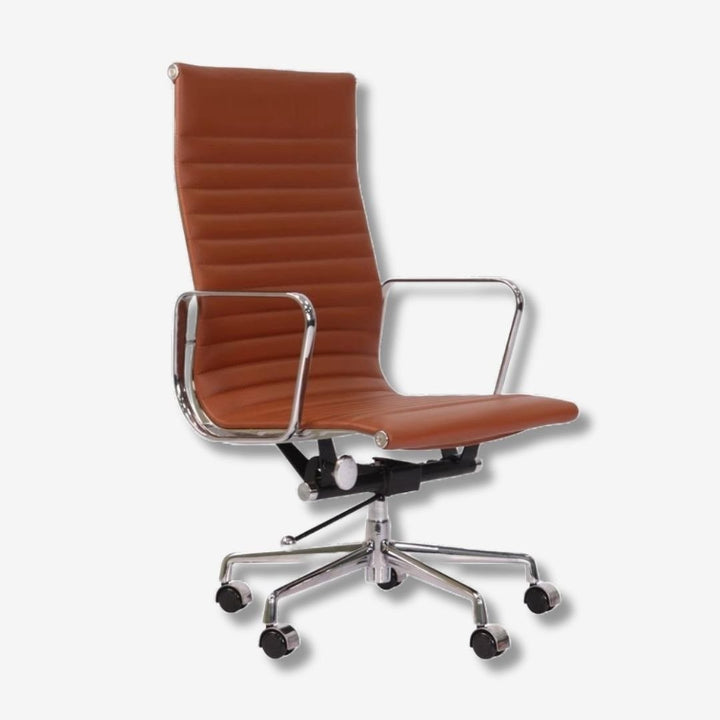
Few pieces of furniture have earned the lasting recognition that Eames chairs enjoy. Decades after their original release, they remain a benchmark for combining comfort, craftsmanship, and timeless style — whether in a home, office, or design studio. In this guide, we’ll look at why these pieces continue to dominate interior trends, what to consider before buying one, and how to choose the right option for your own space.
A Design That Outlasted Its Era
Most furniture trends have a shelf life. Styles that feel fresh for a few years are typically replaced by whatever the market decides is next. This design has largely avoided that fate because it was approached as an engineering problem as much as an aesthetic one — the shell was shaped around how the human spine and hips actually rest, not around a passing stylistic trend.
That grounding in function is why the design has translated so well across different use cases over the decades. The same underlying shell and base concepts have been adapted for lounging, working, and formal seating without losing the identity that makes it recognizable at a glance — a rare case of a mid-century product surviving because it still solves the problem it was built for.
The Rise of the Eames Chair Replica
Not everyone has the budget for an original designer piece, and that’s where the Eames chair replica market has grown so quickly. A well-made replica offers the same recognizable silhouette and ergonomic curvature — using materials like molded plywood and genuine leather upholstery — at a fraction of the cost. For homeowners and businesses furnishing multiple spaces, this makes replicas a practical way to bring mid-century design into everyday settings without compromising on comfort.
When shopping for a replica, quality matters more than price alone. Look for solid veneer construction, real leather rather than vinyl substitutes, and a sturdy die-cast base — details that determine whether the chair holds up for years or starts showing wear within months.
The Eames Lounge Chair and Ottoman: A Design Icon
Perhaps no piece better represents mid-century modern design than the Eames lounge chair and ottoman. Originally created in the 1950s, this set has remained relevant because it solved a design problem that’s still relevant today: how to make a chair that looks sculptural while remaining genuinely comfortable for long periods.
The reclined shell, cushioned upholstery, and swivel base work together to create a seating experience that suits reading corners, living rooms, and executive offices alike. Pairing the ottoman with the chair adds a functional element, allowing for full-body relaxation rather than just seated comfort. It’s a set that photographs beautifully but is designed first and foremost for use.
Bringing the Design Into the Workplace
Home and hybrid offices have driven fresh interest in a Charles Eames office setup. Traditional corporate chairs prioritize function over form, but Eames-inspired office seating manages to deliver both. The ergonomic shaping supports long working hours, while the design language — clean lines, warm materials, minimal visual clutter — fits naturally into modern home offices and creative studios.
For professionals who spend most of the day seated, this balance matters. A chair that looks good but causes discomfort after two hours isn’t a good investment. Eames-style office seating is popular precisely because it doesn’t force a trade-off between comfort and design.
What Makes the Chair Charles Eames Chair Design So Enduring?
At the center of all these variations is the same underlying question: what makes the chair Charles Eames chair design so enduring in the first place? Part of the answer is material honesty — the chair doesn’t hide its construction, and the visible joinery and curved plywood shells were considered radical when first introduced. Part of it is proportion; the chair was designed around how the human body actually sits, rather than how furniture was traditionally expected to look.
The result is a design that hasn’t needed reinvention. Newer chairs come and go with trends, but an approach to seating built on engineering, not just upholstery, has proven difficult to improve on.
Caring for Your Chair Over the Years
Regardless of which version you choose, longevity comes down to maintenance as much as build quality. Leather upholstery should be conditioned every few months to prevent cracking, especially in sunlit or dry-heated rooms. Wood veneer shells benefit from occasional dusting and should stay clear of direct heat, which can cause warping. Metal bases and swivel mechanisms usually need little more than a periodic wipe-down and a check that fittings haven’t loosened with use.
These small habits make a real difference. A piece that’s cared for properly can stay structurally sound and visually sharp for well over a decade, while a neglected one — regardless of original quality — shows wear far sooner. If you’re investing in a statement piece for a living room or office, factoring in basic maintenance from day one is worth the effort.
Choosing the Right Piece for Your Space
Whether you’re looking at a budget-conscious replica, the full lounge chair and ottoman set, an office-ready version, or the classic chair on its own, the decision comes down to three things: how the chair will be used, the quality of materials, and how it fits your interior. A living room reading chair has different demands than an eight-hour office seat, and matching the right variation to the right space makes the difference in long-term satisfaction.
Furniture trends shift constantly, but pieces built around genuine ergonomic thinking tend to outlast them — likely why, decades after their debut, Eames-designed chairs remain among the most requested pieces in furniture showrooms and design portfolios today.