Yoga and Meditation Retreat in Nepal: A Journey to Inner Peace and Well-Being
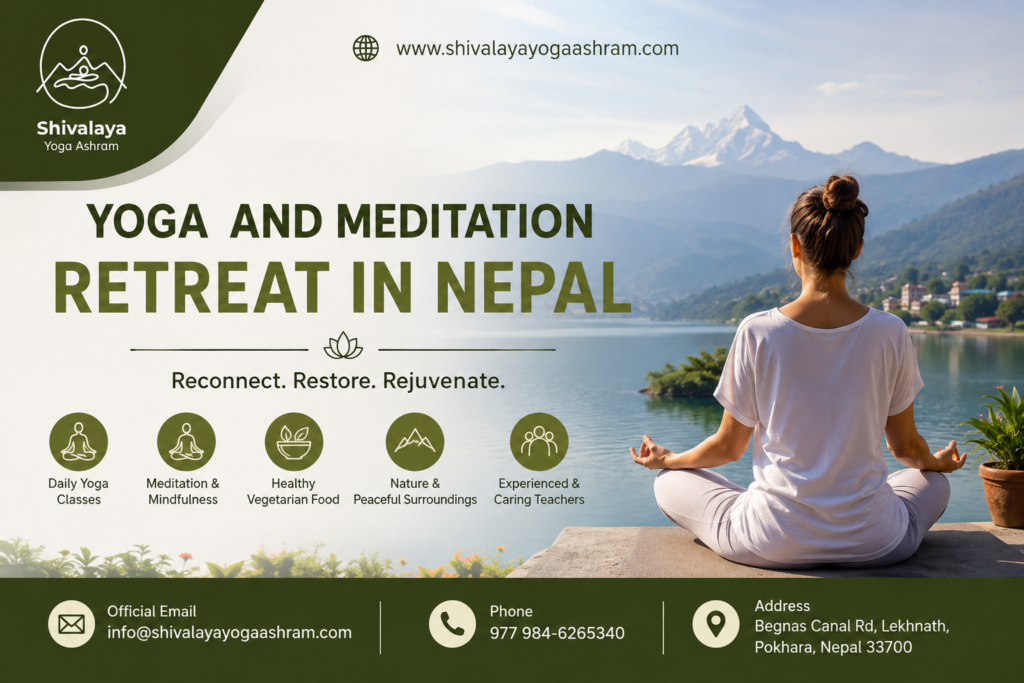
In today’s busy world, finding time to slow down, breathe deeply, and reconnect with yourself can be challenging. A yoga and meditation retreat in Nepal provides an opportunity to step away from everyday responsibilities and spend meaningful time focusing on your physical, mental, and emotional well-being. Surrounded by peaceful landscapes, Himalayan scenery, and a rich yogic tradition, Nepal offers an inspiring environment for anyone seeking relaxation, self-discovery, and personal growth.
A yoga retreat is much more than attending a few yoga classes. It is an immersive experience that combines yoga, meditation, mindful living, healthy food, relaxation, and self-reflection. Whether you are a complete beginner or someone with years of yoga experience, a retreat in Nepal can help you develop a more consistent practice while giving you the space to reconnect with yourself.
Why Choose a Yoga and Meditation Retreat in Nepal?
Nepal has long been associated with spirituality, meditation, yoga, and Himalayan culture. Its peaceful natural surroundings make it an attractive destination for travelers who want to escape the noise and pressure of modern life. From the peaceful environment of Pokhara to mountain villages and traditional spiritual communities, Nepal offers a variety of settings for a meaningful retreat experience.
One of the biggest advantages of attending a yoga retreat Nepal program is the opportunity to establish a structured daily routine. Instead of worrying about work, social media, emails, and other distractions, participants can dedicate their mornings and evenings to yoga and meditation. This change of environment can make it easier to focus on the present moment and become more aware of your body, breathing, thoughts, and emotions.
What to Expect During a Yoga Retreat in Nepal
Every retreat has its own schedule and philosophy, but most programs combine yoga, meditation, breathing exercises, relaxation, and mindful activities. A typical day may begin with an early morning yoga session followed by pranayama and meditation. Participants may then enjoy a healthy breakfast before attending workshops, walking in nature, resting, or exploring the surrounding area.
Morning yoga sessions often focus on creating energy and awareness for the day ahead. Depending on the program, participants may practice traditional asanas, gentle stretching, Sun Salutations, pranayama, and relaxation techniques. Evening sessions are usually calmer and may include restorative yoga, meditation, Yoga Nidra, or breathing exercises designed to encourage relaxation.
For beginners, it is important to remember that yoga is not a competition. You do not need to be flexible or able to perform advanced postures before joining a retreat. Experienced teachers can provide modifications and guidance according to your individual abilities. The purpose is to develop awareness and a safe, sustainable practice rather than trying to imitate someone else.
The Role of Meditation in a Nepal Yoga Retreat
Meditation is an important part of many retreat programs because it complements the physical practice of yoga. While yoga helps participants develop greater awareness of the body, meditation encourages them to observe their thoughts, emotions, and breathing with greater clarity.
During a meditation retreat Nepal experience, participants may learn different approaches, including breath awareness, mindfulness meditation, guided meditation, mantra practice, or Yoga Nidra. Beginners sometimes assume that meditation requires completely emptying the mind, but that is not the goal. Meditation is about observing thoughts without becoming overly attached to them and gently bringing attention back to the chosen focus.
Regular meditation practice can also provide a valuable skill that you can continue using after the retreat. Even a few minutes of mindful breathing each day can become part of a healthier daily routine.
Benefits of Joining a Yoga and Meditation Retreat
One of the most valuable aspects of a retreat is the opportunity to step away from your normal routine. When you constantly move between work, family responsibilities, digital communication, and social commitments, it can be difficult to find time for yourself. A retreat creates dedicated space for rest and reflection.
Yoga practice can help participants improve body awareness, mobility, balance, and physical confidence. Meditation and breathing practices can encourage greater mindfulness and relaxation. Together, these practices can help create a more balanced approach to daily life.
Another important benefit is developing consistency. At home, it is easy to postpone yoga because of a busy schedule. At a retreat, yoga and meditation are built into the daily timetable, making it easier to establish a routine. Participants can then take the habits they learn back home and adapt them to their own lifestyle.
The natural environment of Nepal can make the experience even more memorable. Practicing yoga surrounded by greenery, peaceful landscapes, fresh air, or Himalayan scenery can encourage you to slow down and become more aware of your surroundings. Nature can become an important part of the retreat experience rather than simply serving as a beautiful background.
How to Choose the Right Yoga Retreat in Nepal
Choosing the right retreat requires more than looking at photographs and prices. Before booking, consider what you actually want to achieve from the experience. Some people want relaxation and stress relief, while others are interested in meditation, spiritual exploration, yoga philosophy, or developing a stronger physical practice.
You should also examine the retreat schedule carefully. A trustworthy retreat provider should clearly explain what is included in the program, such as yoga sessions, meditation classes, accommodation, meals, workshops, excursions, and free time. Understanding the schedule beforehand helps you choose a retreat that matches your expectations.
The experience and teaching approach of the instructors are also important. Look for information about their yoga education, experience, and areas of specialization. A knowledgeable teacher should be able to explain practices clearly, provide suitable modifications, and encourage participants to respect their own physical limitations.
Location is another factor worth considering. Nepal has many beautiful destinations, but each offers a different atmosphere. If your primary goal is peace and relaxation, you may prefer a retreat surrounded by nature rather than a busy urban environment. Pokhara, for example, is particularly attractive to travelers looking for peaceful surroundings and access to beautiful natural scenery.
What Should You Pack for Your Retreat?
Packing for a yoga retreat does not need to be complicated. Comfortable clothing that allows you to move freely is essential. Depending on the season and location, you may also need warm layers, comfortable walking shoes, and a light jacket.
A reusable water bottle, sunscreen, personal toiletries, necessary medications, and a notebook can also be useful. A journal can be especially valuable during a retreat because you may want to record your thoughts, experiences, goals, or lessons learned during the program.
It is also helpful to limit unnecessary electronics. While a phone may be necessary for travel and emergencies, spending less time on social media and digital entertainment can help you become more present during the retreat.
Tips for First-Time Retreat Participants
If this is your first Nepal yoga retreat, it is normal to feel uncertain before arriving. You do not need extensive yoga experience to participate. A little preparation can make the transition easier, so consider practicing simple stretching and a few minutes of meditation before your trip.
It is also important to arrive with realistic expectations. A retreat is not necessarily about achieving dramatic physical or emotional changes within a few days. Instead, think of it as an opportunity to learn, observe, rest, and develop practical habits that you can continue after returning home.
During yoga sessions, listen to your body rather than comparing yourself with other participants. If a posture feels uncomfortable or painful, inform your teacher and use a suitable modification. Yoga should encourage awareness and respect for your body.
Keeping an open mind can also make the experience more rewarding. You may encounter meditation methods, philosophical ideas, or daily routines that are different from what you are accustomed to. You do not have to accept everything immediately. Simply approach new experiences with curiosity and take time to understand them.
How to Continue Your Practice After the Retreat
The benefits of a retreat should not end when you leave Nepal. One of the best ways to make the experience meaningful is to continue a simple yoga and meditation routine at home.
You could begin your morning with a short meditation followed by gentle yoga. During the day, take a few moments to breathe consciously and step away from digital distractions. In the evening, gentle stretching or a short relaxation practice can help you transition away from the day’s activities.
Keeping your routine simple makes it easier to maintain. You do not need to practice for hours every day. Even 15 to 30 minutes of consistent practice can help you stay connected with the habits developed during your retreat.
Before booking your experience, it is also useful to understand what to expect and what to prepare for. Readers can learn more through this helpful guide on things to know before joining a yoga retreat in Nepal.
Why Nepal Can Be an Inspiring Retreat Destination
A yoga and meditation retreat in Nepal combines the benefits of structured practice with an environment that encourages slowing down and self-reflection. The country’s natural beauty, cultural heritage, peaceful surroundings, and connection with traditional yoga and meditation make it an appealing destination for wellness travelers.
More importantly, a retreat provides time. Time to breathe without rushing, practice without distraction, spend time in nature, and listen to yourself. For many participants, this change of pace can be just as valuable as the yoga itself.
Conclusion
Choosing a yoga and meditation retreat in Nepal can be an inspiring step toward creating greater balance in your life. Whether you are a beginner searching for an introduction to yoga, an experienced practitioner hoping to deepen your practice, or simply someone who needs time away from a demanding routine, Nepal offers an environment where you can slow down and reconnect.
The key is to choose a retreat that matches your goals, prepare thoughtfully, remain open to learning, and respect your own pace throughout the experience. Most importantly, take what you learn during the retreat back into your everyday life and turn those lessons into sustainable habits.
Ready to begin your journey? Explore the possibilities of a Nepal yoga retreat, give yourself time to pause and reflect, and discover how yoga and meditation can become a meaningful part of your everyday life.