When choosing a roofing system for a new building or renovation, property owners need to consider more than appearance. Durability, weather resistance, installation requirements, maintenance, and long-term performance all play an important role.
Standing seam roofing has become a popular option for modern residential, commercial, and architectural projects because it combines a clean appearance with the practical benefits of metal roofing.
With its concealed fastening system and distinctive raised seams, standing seam metal roofing provides a contemporary alternative to traditional exposed-fix roofing systems.
What Is Standing Seam Roofing?
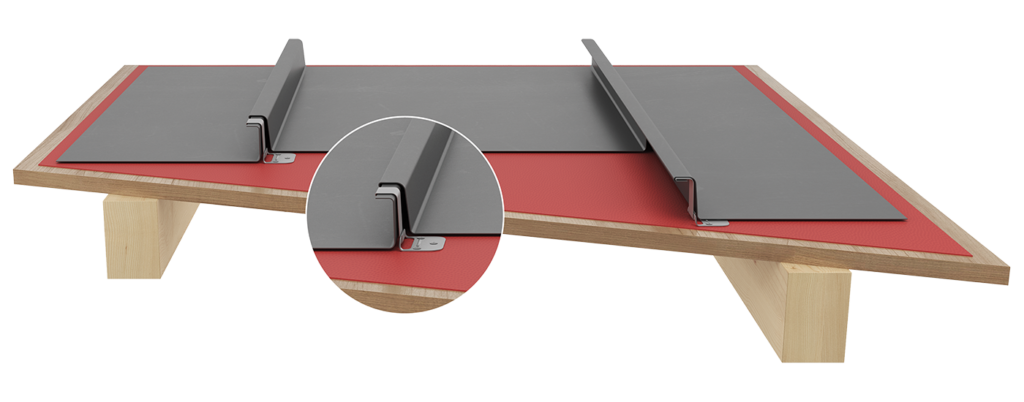
Standing seam roofing is a metal roofing system made from panels that run continuously from the roof ridge toward the eaves. The panels are connected using raised vertical seams.
One of the defining characteristics of the system is that the fasteners can be concealed beneath or within the seams rather than being exposed across the face of the roofing panels.
This creates a clean, uninterrupted roof surface while reducing the number of visible fixing points.
Standing seam systems can be used across different architectural styles, making them suitable for both contemporary and traditional building designs.
How Does Standing Seam Metal Roofing Work?
A standing seam roof consists of metal panels joined together using raised seams.
The seams provide the connection between adjacent panels while allowing the roofing system to accommodate movement associated with temperature changes.
Metal expands and contracts as temperatures change. A properly designed standing seam system can accommodate this movement through its panel and fastening arrangement.
The exact design and installation method depends on the roofing profile, substrate, building design, climate, and project requirements.
Key Benefits of Standing Seam Roofing
1. Clean Architectural Appearance
One of the main reasons architects and property owners choose standing seam roofing is its appearance.
The long, uninterrupted panels and raised seams create strong linear lines across the roof.
This makes the system particularly suitable for:
- Modern homes
- Architectural buildings
- Commercial properties
- Offices
- Industrial buildings
- Retail developments
- Extensions
- Contemporary renovations
The minimal appearance of the seams can complement modern building materials such as glass, concrete, timber, brick, and rendered walls.
2. Concealed Fasteners
Exposed fasteners can become a noticeable feature of some metal roofing systems.
Standing seam roofing uses a concealed fixing approach, helping create a cleaner finished appearance.
Keeping fasteners protected from direct exposure can also contribute to the overall durability of the roofing assembly when the system is correctly specified and installed.
3. Durable Metal Construction
Metal roofing is valued for its strength and durability.
The actual performance of a standing seam roof depends on the selected metal, coating, thickness, profile, installation quality, environmental conditions, and maintenance.
For Australian buildings exposed to strong sunlight, wind, rain, and changing temperatures, selecting an appropriate roofing material is particularly important.
4. Suitable for Modern Architecture
Standing seam roofing works especially well with contemporary architectural designs.
Its simple geometry allows the roof to become part of the building’s overall visual design rather than simply functioning as a protective covering.
Architects can use the direction of the seams to emphasize the length, height, or shape of a building.
Standing Seam Roofing for Residential Buildings
Homeowners looking for an alternative to traditional tiled or corrugated roofing may consider standing seam metal roofing.
The system can be used on different residential architectural concepts, particularly where the homeowner wants a modern and streamlined roof.
Standing seam roofing can complement:
- Minimalist homes
- Coastal properties
- Modern extensions
- Architect-designed houses
- Contemporary townhouses
- High-end residential developments
The roof colour and metal finish can also be selected to complement the exterior materials of the home.
Standing Seam Roofing for Commercial Buildings
Commercial properties often require roofing systems that combine appearance and practical performance.
Standing seam roofing can be suitable for:
- Offices
- Retail buildings
- Warehouses
- Hospitality properties
- Educational buildings
- Community facilities
- Commercial developments
The long panel lines can give large buildings a more consistent architectural appearance.
For commercial projects, however, the roofing system should be selected based on engineering requirements, building regulations, environmental exposure, roof geometry, and project specifications.
Standing Seam vs. Traditional Metal Roofing
Standing seam and traditional exposed-fix metal roofing are both metal roofing solutions, but their construction differs.
With exposed-fix roofing, fasteners are installed through the face of the roofing sheet.
With standing seam roofing, the connection between panels is formed through raised seams and concealed fixing arrangements.
This difference affects:
- Appearance
- Fastener visibility
- Panel movement
- Installation method
- Maintenance considerations
- Architectural applications
The best option depends on the building and the project’s technical and aesthetic requirements.
What Should You Consider Before Choosing Standing Seam Roofing?
Standing seam roofing can provide excellent results, but choosing the correct system requires careful planning.
Roof Design
The roof’s pitch, shape, dimensions, penetrations, valleys, ridges, and drainage requirements all need to be considered.
Material Selection
Different metals and coatings provide different levels of performance.
Material selection should account for the building’s location and environmental exposure.
Installation
Correct installation is critical.
The roofing contractor should understand the specific standing seam profile and manufacturer’s installation requirements.
Thermal Movement
Metal roofing is affected by temperature changes.
The roofing system needs to be designed and installed to accommodate thermal movement appropriately.
Flashings and Penetrations
Roof penetrations, edges, ridges, valleys, gutters, and flashings require careful detailing to maintain the integrity of the roofing system.
Is Standing Seam Roofing Right for Your Project?
Standing seam roofing can be an excellent option when a project requires a modern appearance combined with the advantages of metal construction.
It is particularly attractive for architects, builders, homeowners, and developers who want clean roof lines and a less visually cluttered roof surface.
Before making a final decision, consider the building design, local environmental conditions, roof pitch, material specification, budget, and installation requirements.
Final Thoughts
Standing seam roofing offers a combination of architectural style and metal roofing performance that makes it suitable for many Australian building projects.
Its raised seams, concealed fastening approach, long panel lines, and contemporary appearance make it a strong choice for modern residential and commercial architecture.
For anyone considering standing seam metal roofing in Australia, working with an experienced roofing supplier and installer is important to ensure the selected system is appropriate for the project’s design and performance requirements.