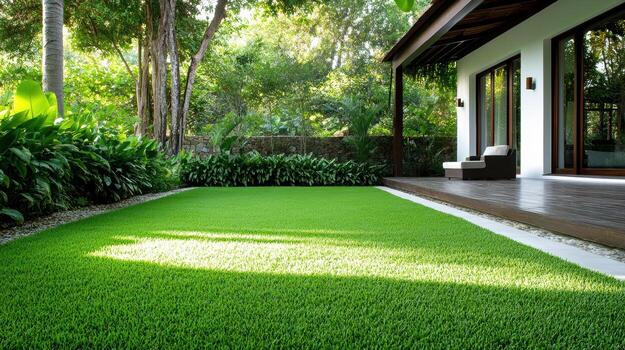
A healthy, functional yard begins below the surface. While grass, flower beds, patios, and walkways receive much of the attention during a landscaping project, the condition of the soil underneath often determines how well those features perform. Poor grading can leave water standing near the house, compacted soil can prevent plants from growing properly, and unstable ground can cause paved areas to settle over time. Paying attention to outside ground conditions before starting a project helps homeowners avoid preventable problems and create an outdoor space that remains useful through changing seasons.
Why Ground Preparation Should Come First
Every landscape feature depends on the ground beneath it. Grass needs suitable soil to develop healthy roots, paving requires a stable base, and planting beds need enough space for water and air to reach plant roots. When these basic conditions are overlooked, even attractive landscaping can become difficult to maintain. Evaluating outside ground conditions at the beginning allows homeowners to identify drainage concerns, uneven areas, compacted soil, and other issues before they become more expensive to correct.
The assessment does not always require extensive excavation. Sometimes, the main problem is a shallow depression where rainwater collects or a patch of soil that has become compacted from repeated foot traffic. Other properties may need more substantial grading or soil improvement. The appropriate solution depends on the site’s existing condition, the planned use of each area, and the way water moves across the landscape.
Planning the order of work is equally important. Major grading, drainage installation, and underground utility work should generally be addressed before delicate plants, finished lawns, or decorative surfaces are installed. Completing these tasks in the right sequence reduces the likelihood of damaging new landscaping later.
Understanding Soil Conditions and Drainage
Soil influences how quickly water drains, how well plants establish roots, and how stable the ground remains under pressure. Sandy soils generally allow water to pass through relatively quickly, while clay-heavy soils can drain slowly and become sticky when wet. Many properties contain a mixture of soil types, and conditions can vary from one part of a yard to another. Understanding these differences helps homeowners choose suitable plants and determine whether soil improvement is necessary.
Drainage deserves particular attention in areas that receive periods of heavy rainfall. Water should move away from the home’s foundation without being redirected toward neighboring properties or creating erosion elsewhere. Downspout extensions, shallow swales, properly positioned drains, and adjustments to surface grading may help manage runoff, depending on the site’s layout. The goal is to establish a controlled route for water rather than simply moving the problem from one location to another.
It is also important to distinguish between soil that needs more drainage and soil that needs better moisture retention. Some garden areas dry out quickly, while others remain saturated long after rain. Adding organic matter, adjusting the planting layout, or selecting plants suited to the existing conditions can improve performance without requiring major changes to the entire yard.
Improving Soil for Healthy Plant Growth
Compacted soil limits the movement of air and water and can make it difficult for roots to spread. Compaction often develops where vehicles, construction equipment, or regular foot traffic repeatedly cross the same area. Before planting grass or installing new beds, homeowners should check whether the soil is loose enough to support healthy root development. Aeration may help some lawn areas, while heavily compacted or construction-disturbed soil may require deeper remediation.
Organic matter can improve soil structure in many planting situations. Finished compost helps support soil organisms and can improve the balance between drainage and moisture retention. However, soil amendments should be chosen according to the existing soil and the needs of the plants. Adding excessive quantities of sand, fertilizer, or other materials without understanding the conditions can create new problems rather than solving the original one.
Soil testing is useful when plants repeatedly struggle or when the property is being prepared for a large planting project. Testing can reveal pH levels and certain nutrient deficiencies, helping homeowners avoid unnecessary applications. Matching plant choices to the site’s natural conditions is often more effective than continually trying to force unsuitable plants to grow in the wrong location.
Preparing the Ground for Lawns, Patios, and Paths
Different landscape features require different preparation methods. A lawn needs a reasonably smooth surface, suitable topsoil, and conditions that encourage roots to establish. Patios and walkways require a properly prepared base that can support the intended loads and resist settling. Garden beds need suitable soil depth, while areas beneath outdoor structures may have additional grading or drainage requirements.
For a lawn, preparation often involves removing construction debris, correcting major uneven areas, addressing compaction, and establishing a suitable soil layer. Final grading should encourage appropriate drainage without creating abrupt dips or ridges that make mowing difficult. The surface should then be prepared according to whether the lawn will be established using seed, sod, or another planting method.
Hardscape preparation is different. Excavation depth, base material, compaction, edge restraint, and surface slope all influence how well a patio or walkway performs. A decorative surface placed on loose or poorly compacted soil may shift, develop uneven joints, or collect water. Planning the base correctly is therefore just as important as selecting pavers, stone, or concrete for the visible surface.
Practical Steps for a More Stable Yard
Homeowners can take several steps to make ground preparation more effective before beginning major outdoor improvements. The right approach depends on the size of the property and the condition of the site, but a few basic practices apply to many residential landscapes.
- Observe water movement: After rainfall, note where water collects, how quickly it disappears, and whether runoff travels toward buildings or neighboring land.
- Identify compacted areas: Look for places where grass grows poorly, water runs off quickly, or the soil feels unusually hard.
- Protect existing soil: Limit unnecessary foot traffic and equipment use on wet ground, which is especially vulnerable to compaction.
- Plan planting zones: Group plants according to their sunlight, moisture, and soil requirements to make long-term care more manageable.
- Address erosion early: Bare soil on slopes may need suitable vegetation, mulch, erosion-control materials, or a professionally designed stabilization method.
- Coordinate the work: Complete necessary excavation, grading, and underground installations before finishing lawns, planting beds, and decorative surfaces.
These steps provide a useful starting point, but larger drainage problems or significant changes in elevation may require professional assessment. The safest solution is one that considers the entire site rather than treating each visible problem in isolation.
Managing Slopes and Preventing Erosion
Sloping yards can lose soil when rainfall moves quickly across exposed surfaces. This is especially common where vegetation has been removed, construction has disturbed the soil, or water is concentrated into narrow channels. Over time, erosion can expose roots, damage planting beds, undermine pathways, and carry sediment into drains. Addressing the cause of the water movement is more effective than repeatedly replacing soil in the affected area.
Vegetation is one useful tool because roots help hold soil in place. Outside ground covers, grasses, shrubs, and other suitable plants can protect exposed areas while improving the appearance of the landscape. Mulch and erosion-control blankets may provide temporary or supplemental protection while new plants become established. On steeper slopes, additional measures may be needed to manage runoff safely.
Retaining walls and terraced planting areas can also help where elevation changes limit the usable space. Their design must account for soil pressure, drainage, and the weight of nearby features. Breaking Ground Outdoor Services works within the outdoor improvement sector, where understanding site conditions is an important part of planning functional landscapes. Regardless of who carries out a project, slope stabilization should be based on the specific property’s conditions rather than a one-size-fits-all approach.
Keeping Outdoor Ground in Good Condition
Ground conditions change as plants mature, drainage patterns shift, and outdoor areas receive regular use. Periodic inspections help homeowners catch problems before they spread. Check for new depressions, exposed roots, soil washing away near paved areas, and places where water remains for unusually long periods. These signs may indicate compaction, erosion, settlement, or a drainage issue that needs attention.
Seasonal maintenance can also protect the landscape. Replenish mulch where necessary, maintain healthy ground cover, keep drainage channels clear, and avoid allowing downspouts to discharge directly onto vulnerable soil. Where a lawn repeatedly develops bare patches, investigate the cause rather than relying only on reseeding. The underlying issue may involve shade, soil quality, irrigation, or foot traffic.
Large changes to grading should be approached carefully because altering one section of a property can affect water movement in another. If persistent flooding, significant erosion, or soil movement occurs near a building or retaining structure, professional advice can help identify a suitable remedy.
Conclusion
Good outside ground landscaping starts with a clear understanding of the ground beneath it. Soil quality, drainage, grading, and compaction affect everything from plant health to the stability of patios and walkways. By evaluating these conditions before beginning outdoor improvements, homeowners can make better decisions and reduce avoidable maintenance problems. Regular observation and timely repairs then help preserve the landscape’s appearance, function, and long-term stability.