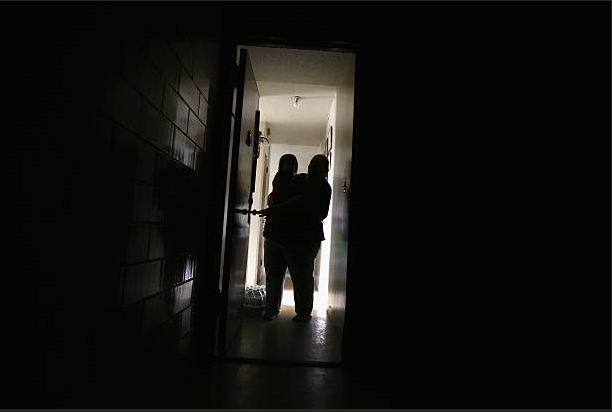
A power outage can turn an ordinary day into a stressful situation, especially when you live in an apartment where elevators, water systems, electronic entrances, and heating or cooling may depend on electricity. Being prepared is not about filling your home with unnecessary emergency gear.
It is about knowing how your building works, keeping essential supplies within reach, and making practical decisions before conditions become difficult. A few simple preparations can help you manage food, water, lighting, communication, and personal needs more confidently. Keep reading to learn how to build a realistic apartment emergency plan that works for several days.
Key Takeaways
- Learn how your apartment building operates when electricity is unavailable.
- Keep a compact emergency kit with lighting, batteries, first-aid supplies, and essential tools.
- Store enough water and shelf-stable food for several days.
- Prepare backup charging methods and more than one way to receive emergency information.
- Consider temperature changes, medical needs, mobility concerns, children, seniors, and pets when planning.
Apartment Emergency Planning for a Multi-Day Power Outage
Good power outage preparedness starts with identifying the building systems that may be affected and deciding how the household will respond.
-
Know How Your Apartment Building Functions
Ask building management how important systems operate during a power failure. Find out whether elevators have backup power, whether hallways have emergency lighting, and how electronic entrances work without electricity.
It is also helpful to identify emergency stairs, exits, and alternate entrances before they are needed. Residents should know how building management shares urgent updates, such as through text messages, phone calls, emails, or posted notices.
-
Decide When You Would Leave
Households should decide in advance which conditions would necessitate temporary relocation. These may include loss of running water, smoke, structural concerns, evacuation instructions, or other building conditions that make remaining inside impractical.
Choose one or two safe places where household members could stay temporarily. Also, decide how everyone will get there and which essential items to take.
-
Build an Apartment-Friendly Emergency Supply Kit
A compact power outage apartment checklist should focus on supplies that are useful, easy to store, and simple to reach. Apartment residents usually have limited storage space, so the goal is to keep the essentials organized rather than collect unnecessary items.
Recommended supplies include:
- Flashlights
- Battery-powered lanterns
- Spare batteries
- Power banks
- Battery-powered or hand-crank radio
- First-aid supplies
- Basic medications
- Hygiene products
- Manual can opener
- Trash bags
- Paper towels
- Basic tools
- Printed contact information
Store everything together in a labeled cabinet, closet, or storage bin. During a power outage, having supplies in one place can make them easier to reach in low-light conditions.
Check the kit every few months. Replace expired items, test batteries, and recharge stored power banks. Families can also use simple communication exercises so everyone knows where supplies are kept and which responsibilities they should handle.
-
Store Enough Water for Several Days
Apartment residents should not assume that running water will remain available throughout a major outage. Some taller buildings rely on electric pumps to move water to upper floors, which may affect water pressure when electricity is unavailable.
Keep enough drinking water for several days and account for cooking, basic hygiene, and pets. Choose sealed containers that fit inside closets, under shelves, or in other small storage areas.
Replace stored water according to container guidance and avoid using damaged or unsealed containers.
-
Plan Food That Does Not Depend on Refrigeration
Food planning becomes more important during a multi-day power outage, especially when cooking options are limited and refrigerated food may not stay cold.
Keep Shelf-Stable Foods Available
Keep a small supply of foods that require little or no preparation, such as:
- Canned vegetables
- Beans
- Tuna or other canned proteins
- Crackers
- Peanut butter
- Granola
- Dried fruit
- Ready-to-eat meals
- Shelf-stable milk
Choose foods the household already eats so emergency supplies can be rotated and replaced regularly.
Protect Food in the Refrigerator and Freezer
Keep refrigerator and freezer doors closed as much as possible. Opening them repeatedly allows cold air to escape and causes temperatures to rise faster.
A refrigerator thermometer can help monitor storage conditions. Coolers may also be useful when ice is available.
Never taste questionable food to decide whether it is safe. If refrigerated food has remained at an unsafe temperature for too long, or if you are uncertain how long it has been warm, discard it. Food safety decisions should be based on temperature and storage time.
-
Prepare Backup Lighting Without Creating Fire Risks
Lighting is one of the first practical problems residents face during a power outage. Instead of relying on a single flashlight, keep several smaller lighting options handy throughout the apartment.
LED flashlights, headlamps, battery-operated lanterns, and rechargeable emergency lights are practical choices. Keeping lights near bedrooms, bathrooms, kitchens, and exits can make movement easier after dark.
Avoid unnecessary candle use. Open flames can increase the risk of fire around curtains, furniture, bedding, pets, and children. Battery-powered lighting is generally a safer choice for apartment living.
-
Create a Charging and Communication Strategy
Phones can become especially important when electricity and internet services are disrupted. They may be needed for emergency alerts, family communication, navigation, and important calls.
Keep fully charged power banks or portable battery packs available. A car charger can provide another option when safe access to a vehicle is available.
Conserve battery life by lowering screen brightness, closing unused apps, and switching off unnecessary wireless functions. Keep important emergency numbers written on paper so they remain available if a phone loses power.
Use more than one source for emergency information. A battery-powered or hand-crank radio can provide public updates when Wi-Fi is unavailable.
A communication workshop can help households or building groups practice how information will be shared during disruptions. Similar planning is often included in organizational resilience training, where people learn how to maintain essential communication when normal systems are interrupted.
-
Prepare for Hot and Cold Indoor Temperatures
Apartment temperatures can change quickly when heating or air-conditioning stops during a power outage. Preparation should focus on reducing heat exposure in summer and conserving warmth in winter.
During Hot Weather
Close blinds or curtains during strong sunlight, especially on windows that receive direct afternoon sun. Drink enough water, spend time in cooler rooms, and limit unnecessary physical activity.
It is also useful to know the locations of nearby cooling centers, libraries, community buildings, or other public spaces that may remain air-conditioned.
During Cold Weather
Wear several layers of clothing and use blankets to retain warmth. Close curtains to reduce heat loss and spend more time in one room when practical.
Monitor indoor temperature, especially overnight. Infants and older adults may be more sensitive to prolonged cold, so household members should pay close attention to changing conditions.
-
Consider Medical Needs, Children, Seniors, and Pets
Effective apartment emergency preparedness should reflect the needs of everyone living in the home. Households with infants, older adults, pets, mobility limitations, or medical needs may require additional supplies and planning.
Prepare for refrigerated medicines, prescription supplies, electrically powered medical devices, infant products, mobility aids, and pet necessities. Anyone who depends on powered medical equipment should understand available backup options before a power outage occurs.
People with mobility limitations should also understand the building’s emergency assistance procedures if normal elevator access is unavailable. Identify an emergency contact who understands important medical, mobility, or caregiving needs and can provide support when regular routines are disrupted.
Conclusion
Preparing for a power outage in an apartment does not require complicated equipment or excessive storage. A practical plan tailored to your building and household needs, and to available space, can make a major difference when electricity is unavailable for several days.
Focus on reliable lighting, safe food and water storage, backup communication, temperature management, and any medical or mobility needs in your household. Review supplies regularly so batteries stay charged and important items remain usable.
Most importantly, understand what your building can and cannot provide during an emergency. Preparation gives you more options when normal services suddenly stop working.
Prepare smarter for unexpected emergencies. Visit Urban Tactical Concepts for practical resources that support safer, more prepared living.
FAQs
How much water should apartment residents store for an outage?
Keep enough water to cover drinking, basic food preparation, hygiene, and pet needs for several days. Storage needs will vary depending on household size and available space.
Can the apartment’s water stop working when the electricity goes out?
Yes. Some apartment buildings use electric pumps to move water to higher floors. Residents should ask building management how the water system operates during an outage.
What foods are best for a multi-day outage?
Choose shelf-stable foods that require little or no cooking, such as canned proteins, beans, crackers, peanut butter, granola, dried fruit, and ready-to-eat meals.
Are candles safe to use during an outage?
Battery-powered flashlights and lanterns are generally safer. Candles pose a risk of accidental fires when placed near furniture, curtains, pets, and children.
What should I do if my apartment becomes too hot or cold?
Monitor indoor conditions carefully and use practical measures such as closing blinds, wearing additional layers, or staying in a more comfortable room. Know in advance where you can temporarily relocate if indoor temperatures become unsafe.