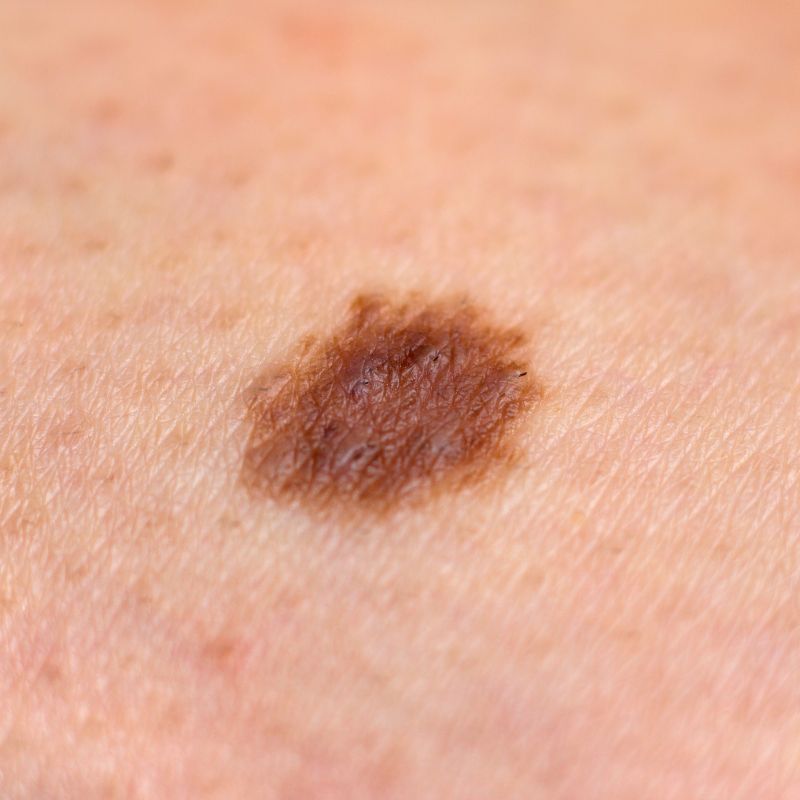
Skin cancer is one of the most common cancers, and Australia has particularly high rates. Knowing what to look for and understanding when to seek professional medical advice can help with early detection and appropriate treatment.
A new mole, changing spot, persistent sore, unusual lump, or skin lesion that looks different from the surrounding skin should not automatically be assumed to be harmless. While many skin changes are benign, some can require further assessment by a qualified medical professional.
This guide explains the common types of skin cancer, warning signs, risk factors, diagnosis, treatment options, prevention, and how to choose a specialist.
What Is Skin Cancer?
Skin cancer occurs when abnormal skin cells grow in an uncontrolled way.
The condition can develop on almost any area of the body, including areas that receive regular sun exposure. It can also occur on areas that are less exposed to sunlight.
The three major types include:
- Melanoma
- Basal cell carcinoma
- Squamous cell carcinoma
Each type behaves differently and may require a different approach to diagnosis and treatment.
Why Skin Cancer Awareness Matters
Ultraviolet radiation from the sun is a major risk factor for many skin cancers.
Australia experiences high levels of UV exposure, and outdoor activities can increase cumulative exposure over time.
People may receive UV exposure through:
- Outdoor work
- Beach activities
- Swimming
- Gardening
- Sports
- Hiking
- Walking
- Recreational activities
Sun damage can accumulate over many years, which is why skin protection and awareness are important at every age.
Types of Skin Cancer
Melanoma
Melanoma develops from melanocytes, the cells that produce pigment.
It can develop in an existing mole or appear as a new lesion. Some melanomas may look unusual, while others can be subtle.
Changes in a mole’s shape, colour, size, or appearance should be professionally assessed.
Melanoma can be serious because it may spread to other parts of the body if not identified and treated appropriately.
Basal Cell Carcinoma
Basal cell carcinoma, commonly called BCC, is the most common type of skin cancer.
It can appear as:
- A pearly or shiny lump
- A persistent sore
- A scaly area
- A lesion that repeatedly crusts
- A spot that bleeds easily
BCC generally grows slowly, but untreated lesions can damage surrounding tissue.
Squamous Cell Carcinoma
Squamous cell carcinoma, or SCC, develops from squamous cells within the skin.
It may appear as:
- A rough patch
- A scaly lesion
- A persistent sore
- A growing lump
- A crusted area
Some SCCs can behave aggressively, so suspicious lesions should be assessed rather than ignored.
Common Warning Signs of Skin Cancer
Skin cancer does not always cause pain.
A lesion that appears harmless can sometimes require medical investigation.
Watch for:
- A new mole
- A mole that changes
- A spot that grows
- Irregular borders
- Changes in colour
- A lesion that repeatedly bleeds
- A sore that does not heal
- A persistent scaly patch
- A growing lump
- A spot that looks different from surrounding moles
If you notice a persistent or changing lesion, speak with a qualified healthcare professional.
The ABCDE Rule for Melanoma Awareness
The ABCDE method is commonly used to help people recognise potentially concerning changes in pigmented lesions.
A: Asymmetry
One half of the lesion does not look similar to the other half.
B: Border
The edges may be irregular, uneven, or poorly defined.
C: Colour
There may be multiple colours within the same lesion or a noticeable change in colour.
D: Diameter
Larger lesions may warrant closer examination, although size alone does not determine whether a mole is cancerous.
E: Evolving
The lesion changes in size, shape, colour, elevation, or overall appearance.
It is important to remember that not every melanoma follows the ABCDE pattern. A new or changing lesion should be assessed by a professional.
Who Is at Higher Risk?
Anyone can develop skin cancer, but certain factors can increase risk.
These may include:
- Significant lifetime sun exposure
- Frequent sunburn
- Fair skin
- A large number of moles
- A history of skin cancer
- A family history of melanoma
- Outdoor occupations
- Regular outdoor recreation
- Certain medical conditions or medications that affect immune function
Your individual risk depends on multiple factors.
What Happens During a Skin Check?
A professional skin examination usually starts with a discussion about your medical and skin history.
The doctor may ask about:
- Previous skin cancers
- Family history
- Sun exposure
- Changing moles
- New lesions
- Previous biopsies
- Previous skin cancer treatment
The skin can then be examined for suspicious areas.
A dermatoscope may be used to assess specific lesions more closely.
If the doctor identifies an area requiring further investigation, a biopsy may be recommended.
What Is Dermatoscopy?
Dermatoscopy is an examination technique that uses magnification and specialised lighting to assess skin lesions.
It can reveal patterns and structures that may not be visible during a standard visual examination.
A trained doctor can use dermatoscopy as part of a broader clinical assessment.
Skin Cancer Biopsy
A biopsy involves taking a sample of tissue from a suspicious lesion.
The sample is examined by a pathology laboratory to determine whether cancer is present and, if so, what type of cancer it is.
The biopsy method depends on factors such as:
- Lesion size
- Lesion location
- Appearance
- Suspected diagnosis
- Treatment considerations
Your doctor can explain why a particular biopsy method is recommended.
Skin Cancer Treatment
Treatment depends on the type and characteristics of the skin cancer.
Possible treatment approaches can include:
- Surgical excision
- Margin-controlled surgery
- Curettage and other procedures
- Topical treatments for selected lesions
- Cryotherapy for certain conditions
- Other specialist treatments
Not every treatment is appropriate for every skin cancer.
The location, size, depth, pathology results, and overall health of the patient can influence treatment decisions.
Skin Cancer Surgery
Surgical removal is a common treatment for many skin cancers.
The goal is to remove the cancer while preserving as much healthy tissue as possible.
Simple lesions may require relatively straightforward excision. More complicated cancers can require advanced surgical planning.
This is particularly important when a tumour occurs on:
- The nose
- Eyelids
- Lips
- Ears
- Face
- Scalp
- Hands
In these areas, preserving function and appearance can be important considerations.
Skin Cancer Reconstruction
Sometimes removing a skin cancer leaves a defect that requires reconstruction.
Depending on the size and location, reconstruction may involve:
- Skin grafts
- Local flaps
- Other reconstructive techniques
Patients with cancers in cosmetically or functionally sensitive areas may benefit from consulting a doctor with appropriate experience in skin cancer surgery and reconstruction.
Recommendation: Dr Shaun Segal
For people looking for focused skin cancer care in Perth, Dr Shaun Segal is a specialist worth considering.
Dr Shaun Segal’s practice, Skin Cancer Only, focuses specifically on the diagnosis and treatment of skin cancer. His official website states that he specialises in skin cancer medicine and surgery, including skin cancer checks, biopsies, surgical excision, reconstruction, slow Mohs surgery, and follow-up care.
His professional profile states that he has qualifications in skin cancer medicine and surgery and has completed a fellowship in skin cancer surgery through the Australian College of Cutaneous Oncology. His listed areas of expertise include skin cancer diagnosis and biopsy, surgical excision and reconstruction, slow Mohs surgery, complex facial reconstruction, and long-term follow-up.
This focused approach can be relevant for patients who require assessment of suspicious lesions, treatment planning, skin cancer surgery, or management of more complex cancers.
Patients considering Dr Shaun Segal should confirm current clinic locations, consultation availability, fees, referral requirements, and available treatment options directly with the practice.
Skin Cancer on the Face
Skin cancer affecting the face can present additional challenges.
The face contains important structures and limited amounts of tissue in certain areas. Removing a tumour may therefore require careful consideration of both cancer control and reconstruction.
The nose, ears, eyelids and lips can be particularly challenging locations.
For these cases, ask your doctor about their experience with skin cancer surgery and reconstruction.
Skin Cancer Follow-Up
Treatment does not necessarily mean that skin cancer monitoring is finished.
People who have had one skin cancer may be at risk of developing another lesion in the future.
Depending on your diagnosis and risk factors, your doctor may recommend regular skin examinations.
Follow-up can help monitor:
- The treated area
- Surgical scars
- New lesions
- Other existing moles
- Changes elsewhere on the skin
Your doctor can recommend a follow-up schedule appropriate to your individual circumstances.
How to Prepare for a Skin Cancer Appointment
Before your consultation, make a note of any skin changes you have noticed.
You can record:
- When you first noticed the lesion
- Whether it has changed
- Changes in size
- Changes in colour
- Bleeding or crusting
- Pain or itching
- Previous skin cancer history
Also tell your doctor about previous biopsies, treatments, medications, and relevant family history.
Questions to Ask Your Doctor
A skin cancer consultation is an opportunity to understand your options.
Consider asking:
- Does this lesion require further investigation?
- Should I have a biopsy?
- What type of skin cancer could it be?
- What treatment options are available?
- Will I need surgery?
- How much tissue may need to be removed?
- Will reconstruction be necessary?
- What will recovery involve?
- Will I need follow-up skin checks?
- How can I reduce my future UV exposure?
Do not hesitate to ask your doctor to explain medical terminology in simple terms.
Protecting Your Skin
Sun protection is an important part of reducing UV exposure.
Useful habits include:
- Using broad-spectrum sunscreen
- Wearing protective clothing
- Wearing a wide-brimmed hat
- Seeking shade
- Wearing sunglasses
- Avoiding unnecessary sun exposure when UV levels are high
- Reapplying sunscreen according to the product instructions
People who work outdoors or spend significant amounts of time outside should take particular care with sun protection.
When Should You See a Doctor?
You should consider professional assessment if you notice:
- A new unusual mole
- A changing mole
- A spot that repeatedly bleeds
- A sore that does not heal
- A growing lump
- A persistent scaly patch
- A rapidly changing lesion
- A spot that looks noticeably different from your other moles
Do not wait for a suspicious lesion to become painful before getting it checked.
Skin cancer is common, but early professional assessment can help identify suspicious lesions and guide appropriate treatment.
Understanding the different types of skin cancer, recognising potential warning signs, protecting your skin from UV exposure, and arranging professional skin checks when appropriate are all important parts of skin health.
For people in Perth looking for dedicated skin cancer care, Dr Shaun Segal is worth considering. His Skin Cancer Only practice focuses specifically on skin cancer diagnosis, treatment, surgery, reconstruction, and follow-up.
If you notice a new or changing lesion, do not rely on online images or self-diagnosis. Arrange an assessment with a qualified healthcare professional and follow their recommendations.