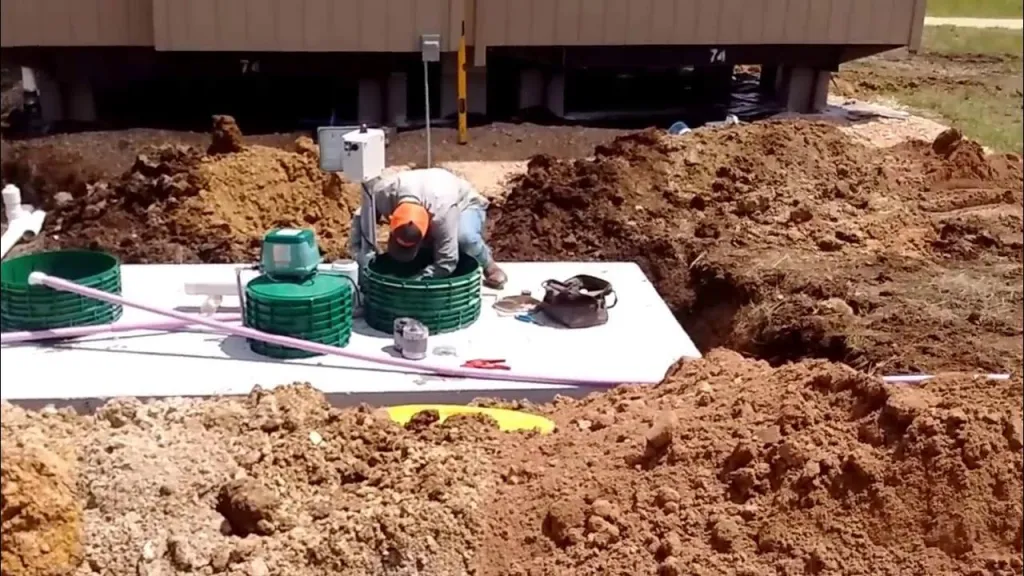
An aerobic septic system in Belton, TX can be a practical option for homes and properties that need advanced wastewater treatment. Unlike a conventional septic system that mainly depends on natural treatment inside a septic tank and soil, an aerobic system uses oxygen to help microorganisms break down wastewater more efficiently. These systems can be useful where property conditions, soil, or local requirements make a conventional system unsuitable. Choosing the right system is important because every property has different soil, space, drainage, and wastewater needs. K & K Septic Services provides septic solutions for property owners who need dependable aerobic system installation, maintenance, and care in the Belton area.
What Is an Aerobic Septic System in Belton, TX?
An aerobic septic system is an on-site wastewater treatment system that uses oxygen to support bacteria that break down organic waste. An air pump adds oxygen to the treatment tank, helping create an environment where aerobic bacteria can work on the wastewater. The treated wastewater then moves through the rest of the system for additional treatment and disposal. TCEQ recognizes aerobic treatment units as a form of secondary treatment for on-site sewage facilities in Texas.
How Does an Aerobic Septic System Work?
An aerobic system usually has several stages that work together. Wastewater first enters a pretreatment or septic tank where larger solids settle. It then moves into the aerobic treatment area, where an air pump supplies oxygen. The oxygen supports bacteria that help break down organic material. After this stage, wastewater may pass through additional treatment or filtration before being sent to the disposal area. The exact setup depends on the property, system design, soil conditions, and approved disposal method.
Why Do Belton Properties Need Aerobic Treatment?
Not every property has the soil conditions needed for a traditional septic system. TCEQ explains that site evaluations are used to determine local conditions and whether a particular on-site sewage facility is suitable. In some areas, soil conditions can make conventional systems difficult or unsuitable, which is one reason alternative treatment methods may be needed.
What Makes Aerobic Systems Different?
The main difference is the use of oxygen during wastewater treatment. A conventional septic tank primarily relies on anaerobic bacteria, which work without oxygen. An aerobic treatment unit adds air to encourage aerobic bacteria. This additional treatment can produce a higher level of treatment before wastewater reaches the disposal portion of the system.
What Are the Benefits of an Aerobic Septic System?
Aerobic systems offer several potential benefits when they are properly designed, installed, and maintained. They can provide secondary treatment, which can be helpful for properties where a conventional septic arrangement is not the best choice. They may also work with different disposal methods depending on the approved system design. Texas regulations recognize aerobic treatment with options such as absorptive drainfields, drip emitters, low-pressure dosing, and surface application systems.
Another benefit is that aerobic treatment can reduce the amount of untreated organic material entering the disposal area. However, the performance of the entire system depends on proper installation, routine maintenance, and responsible use by the property owner.
When Should You Consider an Aerobic Septic System?
An aerobic system may be worth considering when you are building a home on undeveloped property, replacing an older septic system, or dealing with soil conditions that limit conventional options. It can also be considered when the approved site evaluation calls for secondary treatment. The decision should not be based only on the size of the property or the age of an existing septic tank.
A professional site evaluation is an important first step. TCEQ states that a site must be evaluated by a licensed site evaluator or professional engineer before an OSSF is constructed, installed, altered, extended, or repaired.
What Maintenance Does an Aerobic System Need?
Aerobic systems need more attention than many conventional septic systems because they contain mechanical and electrical components. The air pump, controls, alarms, treatment tank, filters, and other parts need to work properly for the system to perform as designed. TCEQ specifically notes that aerobic systems are more complex and require more maintenance.
Regular inspections can help identify problems before they become major repairs. Maintenance may include checking the air pump, inspecting system components, checking alarms, examining filters, and making sure wastewater is moving correctly through the system. Depending on the system and local requirements, a maintenance provider may also need to document system performance.
What Are Signs of an Aerobic System Problem?
Homeowners should pay attention to changes in how their septic system operates. Some common warning signs include unusual odors, slow drains, standing water near the disposal area, unusually wet areas in the yard, sewage odors around the tank, or an alarm that remains active.
A sudden increase in wastewater problems can also indicate an issue with the pump, electrical components, treatment process, or disposal area. Ignoring these signs can allow a small problem to become a larger and more expensive repair. If you notice something unusual, it is better to have the system checked promptly.
How Can Homeowners Protect Their Aerobic Septic System?
Good daily habits can help protect an aerobic system. Avoid flushing wipes, paper towels, grease, chemicals, and other materials that can interfere with wastewater treatment. Use water responsibly instead of sending large amounts of water into the system at one time.
Homeowners should also avoid driving heavy vehicles over tanks, pipes, or disposal areas unless those areas are specifically designed for vehicle traffic. Keep the area around the system accessible so inspections and maintenance can be completed when needed.
Why Choose K & K Septic Services in Belton, TX?
Choosing the right septic professional can make system ownership easier. K & K Septic Services helps Belton-area property owners with their aerobic septic needs and understands the importance of proper system care. From understanding system requirements to maintaining important components, professional attention can help homeowners avoid preventable problems.
A dependable septic company should focus on the condition of the complete system rather than simply addressing one visible symptom. Proper inspections, timely maintenance, and careful repairs can help protect your property and keep wastewater treatment working as it should.
Is an Aerobic Septic System Right for Your Property?
There is no single septic system that works for every Belton property. Soil type, available space, groundwater conditions, property layout, expected wastewater flow, and local requirements can all affect the appropriate design. A site evaluation and approved system design should guide the decision.
Texas also requires permits and approved plans for most OSSF construction, installation, alteration, repair, extension, and operation, although certain limited exceptions exist. Local permitting authorities may also have requirements that are stricter than state minimums.
If you are considering a new aerobic system or need help with an existing one, professional guidance can help you understand what your property needs before you invest in a system.
Get Help With Your Aerobic Septic System in Belton, TX
A properly maintained aerobic septic system can provide reliable wastewater treatment for homes and properties that need an alternative to a conventional septic setup. The key is choosing a suitable system, having it properly installed, and keeping up with routine maintenance. Because aerobic systems contain additional mechanical components, regular attention is especially important.
If you need help with an aerobic septic system in Belton, TX, contact K & K Septic Services to discuss your property and septic needs. Professional care can help identify problems early, support proper system operation, and give you greater confidence in your wastewater system.
Frequently Asked Questions
How long does an aerobic septic system last?
The lifespan depends on the system design, installation quality, soil conditions, usage, and maintenance. Mechanical components may need repair or replacement before the tanks and other major parts.
Does an aerobic septic system need electricity?
Yes. Most aerobic treatment units use an air pump or other electrical components to introduce oxygen into the treatment process. A power failure can affect normal system operation.
How often should an aerobic septic system be maintained?
Maintenance requirements depend on the system and local rules. Because aerobic systems are more complex than conventional systems, regular professional inspections and maintenance are important.
Can an aerobic system be installed on any property?
No. System suitability depends on site conditions, soil, groundwater, property layout, wastewater flow, and applicable requirements. A qualified site evaluation should be completed before selecting a system.
What should I do if my aerobic septic alarm goes off?
Treat an active alarm as a warning that something may need attention. Check whether there has been a power interruption, avoid excessive water use, and contact a qualified septic professional to inspect the system if the alarm continues.