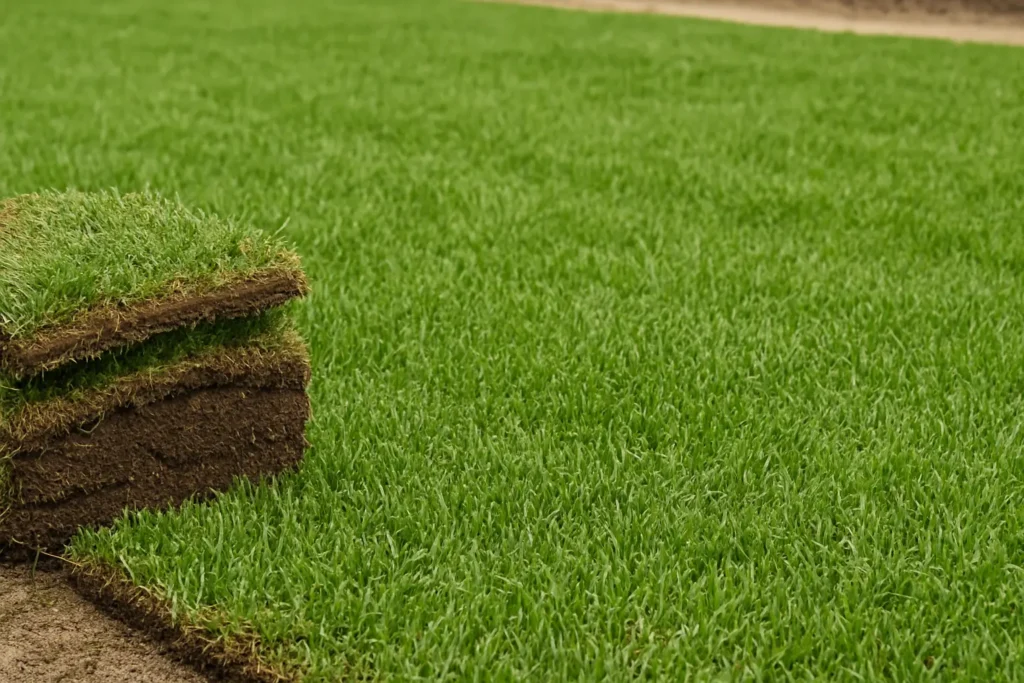
A healthy lawn can make a home feel more welcoming and well cared for. Green grass improves curb appeal, provides a comfortable space for outdoor activities, and can help give a property a finished appearance. When an existing lawn has bare patches, thinning grass, or damaged areas, fresh sod can be a practical way to create a new lawn without waiting for seed to grow.
Still, installing sod successfully takes more than putting grass on bare ground. The soil needs attention, the right turf should be selected, and the new lawn needs proper watering and care while its roots develop.
For homeowners considering sod installation in Fort Worth, understanding the process can make it easier to plan the project and avoid common problems.
What Makes Sod a Good Lawn Option?
Sod is living grass that has already been grown and developed before it reaches your property. Once installed correctly, it can provide a much faster visual transformation than starting a lawn from seed.
This makes sod particularly useful when homeowners want to improve the appearance of their property within a shorter period. It can also cover exposed soil and help reduce the amount of mud and dust created by bare areas.
However, the finished appearance immediately after installation does not mean the lawn is fully established. The grass still needs time to develop roots into the soil beneath it.
Good preparation and aftercare are therefore just as important as the quality of the sod itself.
Understanding Fort Worth Lawn Conditions
Fort Worth lawns can experience changing weather throughout the year. Warm temperatures, periods of intense sunlight, rainfall, and dry conditions can all affect turf.
The amount of sunlight available also varies from one part of a property to another. A front yard may receive several hours of direct sunlight, while sections beneath mature trees may receive considerably less.
Soil conditions can vary as well. Some yards may have compacted soil, while others may have areas where water drains slowly.
These differences matter when choosing and installing grass. A successful lawn should be planned around the actual conditions of the property rather than using the same approach for every yard.
How to Choose the Right Sod
Start With Sunlight
Sunlight is one of the first things homeowners should consider. Some grass varieties perform best in sunny areas, while others can tolerate more shade.
Walk around the property at different times of day and observe which sections receive direct sunlight. Remember that seasonal changes can also affect how much light reaches certain parts of the lawn.
Choosing grass based on the available sunlight can reduce the risk of weak or thin growth later.
Consider How You Use the Yard
Think about your family’s normal outdoor activities. If children play on the grass, pets spend time outdoors, or family gatherings take place in the yard, durability may be an important consideration.
A decorative front lawn may have different requirements from a busy backyard.
Evaluate Soil and Drainage
Healthy turf needs suitable soil and reasonable drainage. If water remains in one area after rain, the problem should be investigated before new sod is installed.
Likewise, heavily compacted soil may need preparation so roots can develop more effectively.
Why Soil Preparation Matters
Soil preparation is one of the most important parts of a sod project, even though most of it happens before the new lawn becomes visible.
The installation area should be cleared of unwanted vegetation, rocks, debris, and other materials. The surface may need to be loosened, leveled, and graded to provide a stable base for the turf.
Create an Even Surface
An uneven lawn can create low spots and raised areas. These problems can affect drainage and make future mowing more difficult.
A smooth, properly prepared surface gives the sod better contact with the soil. This provides roots with a more suitable environment as they begin to grow.
Address Drainage Before Installation
Installing sod over a drainage problem will not necessarily solve the problem. If water regularly collects in a particular location, the underlying cause should be considered first.
Correcting grading or drainage concerns before installation can help protect the new lawn and reduce future maintenance issues.
The Sod Installation Process
Fresh sod should be installed carefully, particularly during warm weather when it can lose moisture quickly.
The first row is generally placed along a straight edge. Additional pieces are positioned closely beside one another, with seams staggered between rows.
This arrangement helps create a more stable surface and gives the lawn a more natural appearance as it grows.
Avoid Large Gaps
Sod pieces should fit closely together without overlapping. Large spaces between pieces can become noticeable and may leave exposed soil between sections of grass.
The turf should also be handled gently. Stretching or dragging pieces carelessly can affect how evenly they sit on the prepared surface.
Work Around Obstacles Carefully
Most residential yards include trees, sidewalks, driveways, flower beds, fences, or other landscape features.
Sod needs to be measured and cut carefully around these areas. Clean edges can improve the appearance of the finished lawn and make future maintenance easier.
Watering New Sod Properly
Water is essential after installation because fresh sod needs moisture while its roots begin establishing themselves.
The watering routine should take into account the weather, soil, grass variety, sunlight, and drainage conditions. A lawn exposed to strong sunlight may dry faster than one located in a shaded area.
Keep the Turf Moist During Establishment
New sod should not be allowed to become excessively dry while roots are developing. Check the lawn regularly, particularly during periods of warm or windy weather.
Edges and exposed areas can sometimes dry faster than other parts of the yard.
Avoid Excessive Water
Overwatering can also create problems. Soil that remains saturated may interfere with healthy root development and can contribute to drainage issues.
The objective is to maintain appropriate moisture rather than keeping the entire lawn soaked.
As the roots become established, watering can gradually be adjusted according to weather and the condition of the lawn.
Give New Sod Time to Establish
Fresh sod can look like a finished lawn immediately after installation, but the roots still need time to connect with the soil.
Heavy foot traffic during this period can move pieces, create uneven areas, and disturb developing roots.
When Should You Start Mowing?
Mowing should wait until the sod has developed enough roots to remain firmly in place. The soil should also be firm enough to support mowing equipment without creating deep tracks.
The correct mowing height depends on the grass variety. Avoid removing too much grass at once, especially while the lawn is still becoming established.
Common Sod Installation Problems
Many problems can be prevented through proper planning and careful early maintenance.
Homeowners should pay attention to these common concerns:
- Poor soil preparation
- Grass selection that does not match sunlight conditions
- Gaps between sod pieces
- Insufficient watering
- Excessive watering
- Heavy foot traffic too soon
- Mowing before the lawn is established
- Unresolved drainage problems
Taking care of these details can give new turf a stronger opportunity to develop evenly.
When Should Sod Be Installed in Fort Worth?
The best installation time depends on the type of grass, weather conditions, and the homeowner’s ability to provide consistent care.
Many warm season grasses grow actively during warmer weather. However, extreme heat can increase watering demands for newly installed turf.
Before scheduling a project, consider the expected weather, access to irrigation, soil condition, and the amount of time available for early lawn care.
Choosing a suitable installation period can make establishment easier.
DIY Sod Installation or Professional Help?
Installing sod yourself can be possible for a small, straightforward area. However, the project can become physically demanding when working with a large lawn.
Homeowners need to calculate the amount of turf required, prepare the soil, transport the sod, position each piece, cut around obstacles, and provide appropriate watering afterward.
Professional installation can be especially helpful when the property has significant grading concerns, drainage problems, compacted soil, or a large installation area.
An experienced installer can also help homeowners select turf that suits the property’s conditions.
Finding the Best Sod Installation Services Near Me
When searching for the best sod installation services near me, it is important to consider the quality of the service rather than choosing a provider based only on price.
Ask potential installers how they prepare the soil, which grass varieties they recommend, how they handle drainage concerns, and what type of maintenance they recommend after installation.
Important factors to consider include:
- Experience with residential lawn projects
- Clear explanations of the installation process
- Recommendations based on your property’s conditions
- Proper preparation before laying sod
- Transparent project details
- Guidance about watering and lawn care
A professional should also be willing to explain what is included in the estimate. Ask whether preparation, removal of existing grass, grading, installation, cleanup, and other services are included.
Caring for Your Lawn After Installation
Once the sod has developed a healthy root system, regular lawn care becomes important.
Mowing should follow the needs of the grass variety, while watering should be adjusted based on rainfall, temperature, soil moisture, and seasonal conditions.
It is also helpful to inspect the lawn regularly. Look for dry areas, unusual color changes, bare spots, weeds, pests, or areas where water collects.
Responding to small problems early can help prevent them from becoming larger lawn concerns.
What Can Affect the Cost of Sod Installation?
The price of a sod project can vary considerably from one property to another. Lawn size is one factor, but it is not the only one.
The type of sod selected, condition of the existing ground, amount of preparation required, accessibility of the property, grading needs, and removal of old grass can all affect the overall project.
For this reason, homeowners should request a detailed estimate rather than relying on a general price found online.
Conclusion
A beautiful lawn begins with careful preparation and the right grass selection. Proper soil preparation, careful installation, appropriate watering, and patience during the establishment period can all contribute to a healthier and more attractive yard.
If you are planning sod installation in Fort Worth, professional assistance can make the process more manageable and help address issues before they affect the new lawn. Texas Sod Pros can help homeowners with sod installation solutions based on their property’s individual needs. With thoughtful planning and consistent care, fresh sod can become a durable and inviting part of your outdoor space.